
Lieferung heute & morgen

Qualitätsgarantie

Willkommens-Angebote freischalten: KOSTENLOSE Lieferung | Bis zu 80 % RABATT | Kostenlose 30-Tage-JoyPlus-Testphase
App herunterladen
Clutter often isn’t caused by a lack of storage space, but by choosing a storage solution that doesn’t suit the room. Moisture in the bathroom, limited shelf space or heavy seasonal items all place different demands on storage boxes. If you only focus on colour and price, you can easily end up with a product that warps, is difficult to stack or simply isn’t practical for everyday use.
With fabric boxes that have handles or boxes containing a cardboard insert, the outer surface may be easy to wipe clean from light moisture. However, the inner construction can still be sensitive to water. A box made from non-woven fabric and high-density cardboard should not be kept permanently in a damp bathroom. For this area, plastic, metal or materials that are explicitly moisture-resistant are a much better choice.
Storage boxes with lids can only be stacked safely on top of one another if the lid shape, base and load capacity all work together. A smooth lid without a non-slip underside can shift when weight is placed on it. What’s more, overloading can cause the plastic to deform. Details on dimensions, material thickness and maximum load are therefore more important than general marketing claims like “extra sturdy”.
A box with external dimensions of 31 × 31 × 15 cm, for example, fits into many cube shelving units, but offers only limited storage space. It can be too shallow for towels or thick winter clothing. Before you buy, compare the internal dimensions, shelf height and handle position with your existing shelving. This prevents the box from looking like it fits, but then not being able to slide in fully.
For the bathroom, kitchen, cellar and garage, stackable plastic boxes made from PP are particularly hassle-free. They can be cleaned with a damp cloth and are less sensitive to occasional splashes than textile versions. Even so, they should not be exposed to high temperatures, open flames or intense direct sunlight for long periods.
For the bedroom, children’s room and living area, foldable fabric storage boxes are a great option. They are lightweight and can be folded flat to save space when not in use. Models with handles make them easier to pull out from shelves. With products that have a cardboard base or cardboard insert, you should avoid using them in damp rooms.
An organising system for the home and bathroom works better when you choose boxes by category and size:
The maximum load capacity should not be confused with the recommended weight for stacking. Heavy items should always be placed at the bottom.
Drawer organisers are suitable for cosmetics, kitchen utensils and small office items. They make access easier, but don’t always protect the contents from dust. Storage baskets are practical for towels, toys or frequently used items, but usually don’t offer complete dust protection.
For small spaces, wall-mounted storage boxes or self-adhesive containers can be useful. Before fitting, check the wall surface, load capacity and adhesive area. On rough, dusty or damp surfaces, adhesion may be limited. If you need more enclosed storage, instead of individual boxes you could also use a bathroom cabinet or a bathroom cupboard with doors.
The following selection matches specific solutions to different usage situations. Dimensions and product features are based on the product information provided.
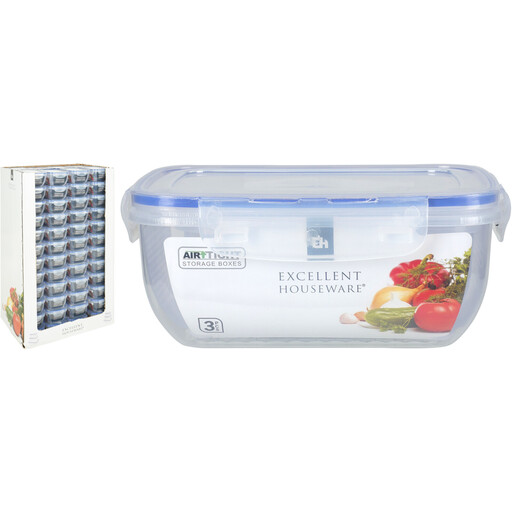
Why this product fits the profile: The 3-piece set offers a simple entry point into categorised storage for supplies, craft materials, office items or toys. The lids support closed storage in a cupboard, pantry or under the bed.
Multiple boxes allow you to sort by category, rather than mixing different items together in one large container.
3-piece set, lids and, according to the product description, easy-to-clean surfaces.
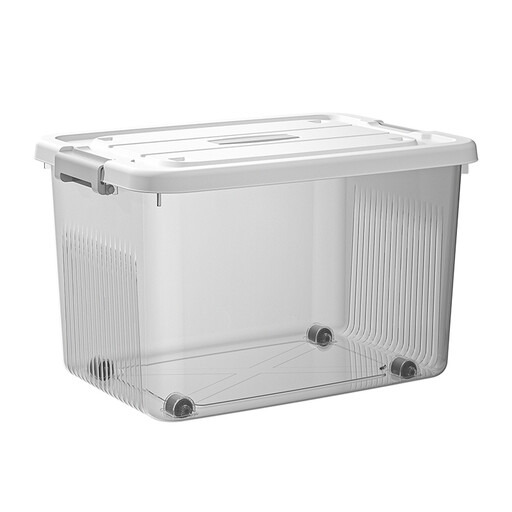
Why this product fits the profile: The transparent plastic boxes measuring 44.5 × 33 × 25 cm are ideal for users who want to quickly identify contents and make the most of vertical storage space in the cellar, garage, wardrobe or utility room.
The stated 2.5 mm material thickness, reinforcement ribs and non-slip base provide concrete points to check for stability and stacking.
PP plastic, snap-on lids, integrated handles and a stackable design according to the product description.
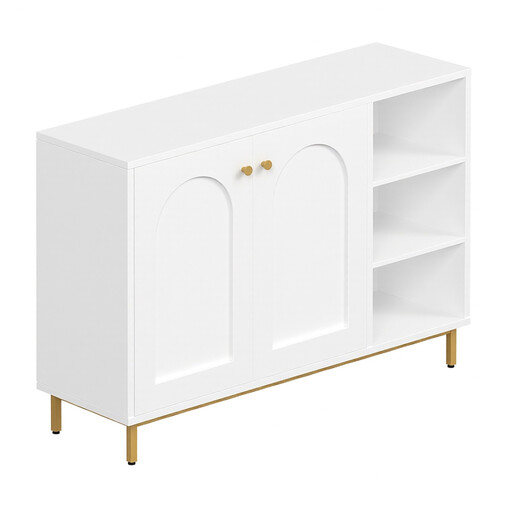
Why this product fits the profile: This bathroom cabinet is aimed at households that need more than just individual storage boxes and want to organise towels, toiletries and bathroom accessories in one piece of furniture.
The raised design with a 12.5 cm floor clearance keeps the furniture away from direct floor contact, according to the product details. Adjustable shelves make it easy to accommodate bottles of different heights.
Two doors, three open sections, adjustable shelves and a stated weight of 22.6 kg.
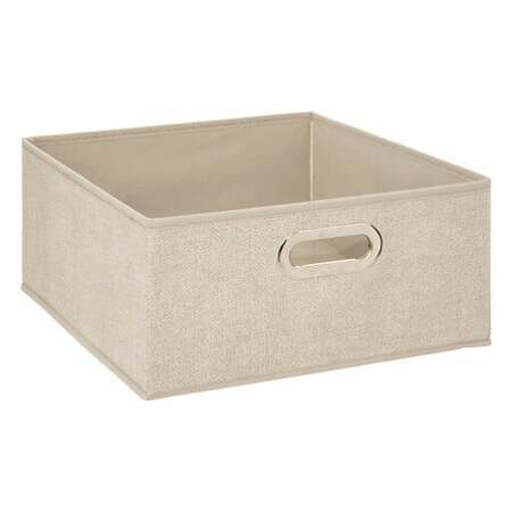
Why this product fits the profile: This shallow fabric box is designed for cube shelving and dry living areas. It is suitable for scarves, accessories, light laundry or small toys.
The product details state a maximum load of 4 kg and rule out use in bathrooms or damp rooms.
Dimensions of approximately 31 × 31 × 15.3 cm, foldable design and a metal ring for pulling out.
We have put together a complete, regularly updated list of products that fully meet these strict selection criteria and the safety regulations in force in the EU.
For the bathroom, plastic boxes, metal baskets with a removable, water-resistant insert or closed bathroom furniture are usually more suitable than fabric boxes with cardboard. Look for easy-to-clean surfaces, adequate ventilation and a stable base. A textile box should only be used if the manufacturer explicitly approves it for damp rooms.
The lifespan depends on the material, load, temperature and frequency of use. Plastic boxes can last a long time if loaded correctly and stored in a protected environment. Fabric boxes keep their shape better if they are not overloaded, stored dry and only cleaned spot-wise. Sharp edges and continuous sunlight can damage materials more quickly.
That depends on the contents and how often you need to access them. Storage boxes with lids offer better protection against dust and are ideal for items you use less often. Open baskets and organisers are more practical for things you use every day. For a clear and tidy solution, a combination of closed boxes for supplies and open compartments for regular access is often recommended.