
Lieferung heute & morgen

Qualitätsgarantie

Willkommens-Angebote freischalten: KOSTENLOSE Lieferung | Bis zu 80 % RABATT | Kostenlose 30-Tage-JoyPlus-Testphase
App herunterladen
Clutter often builds up not because there’s too little storage, but because shelves, cupboards and boxes don’t suit the space available or what you actually need them for. Storage shelving and storage boxes should therefore be chosen for more than just their colour and price.
Three common pitfalls can lead to the wrong purchase:
A well-planned home storage system takes account of the room, weight, access and material.
Don’t just measure the available width. You should also consider:
A cube shelf is practical if baskets and boxes fit the compartments exactly. If you’re choosing shelving with storage boxes, compare the external and internal heights, as the frame and dividers reduce the usable space.
Depending on the product, the stated load capacity may apply to a shelf, a compartment or the whole unit. Books, full crates of drinks and tins weigh considerably more than clothes or toys.
Look for:
Use the anti-tip kit on tall shelving, following the assembly instructions. This is especially important in homes with children and pets.
MDF, coated wood-based materials, metal and fabric boxes are all options for bedrooms and living rooms. In the kitchen, bathroom and cellar, moisture, ventilation and ease of cleaning matter more.
The selection below matches different storage solutions to specific situations. The dimensions, materials, features and assembly instructions are key.
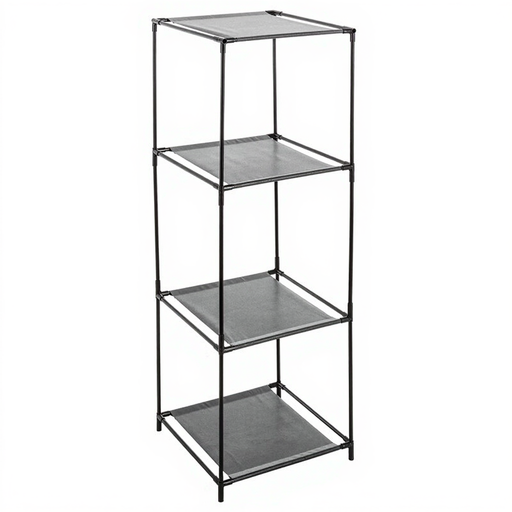
Why it suits this profile: This shelving unit with three storage boxes is ideal for a living room, bedroom or home office when you want to keep books, toys and office supplies separate.
The compartments are designed to fit the boxes from the outset, so there’s no need to combine containers of different sizes and hope they fit.
Three separate storage compartments, self-assembly and a design that suits a range of rooms.
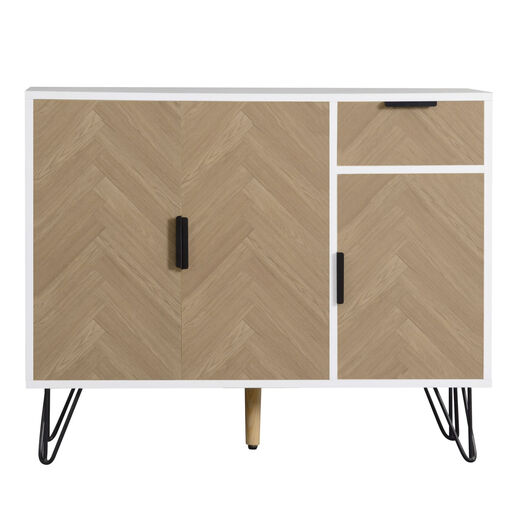
Why it suits this profile: This unit combines concealed storage with adjustable shelves, making it a good fit for a hallway, bedroom or living room.
Its dimensions of 90 × 30 × 71,5 cm and height-adjustable shelves make it easier to plan storage for items of different sizes.
Three doors, one drawer, soft-close door hinges and a stated total load capacity of 50 kg.
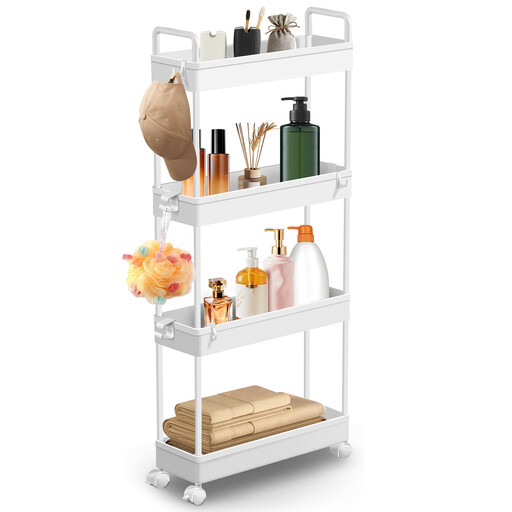
Why it suits this profile: With a footprint of 38,8 × 12,5 cm, this slim trolley is designed for tight spaces in the bathroom or kitchen, or beside a desk.
Its slim depth reduces the risk of blocking a walkway, while the castors make it easy to move for convenient access.
Four tiers, 360-degree castors with brakes, height-adjustable shelves and several hooks.
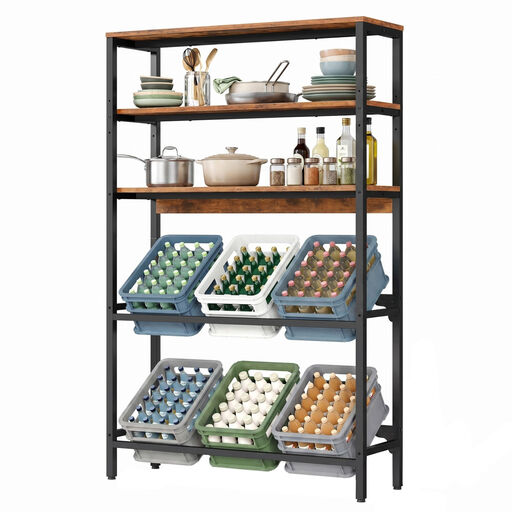
Why it suits this profile: This drinks crate rack is for households looking to keep drinks, fruit, snacks or food storage containers neatly organised.
The two-tier design is made specifically for crates. The stated anti-tip feature helps keep it safely in place.
Steel frame, space for up to six crates and a stated maximum total load of 300 kg.
For clothes, bedding or seasonal decorations, folding storage boxes with handles are a practical choice. Check whether the boxes are stackable and whether you can still easily reach the lid or pull-out compartment when they’re full.
A bookcase or cube shelf with open compartments makes items easy to reach, while a storage cupboard offers better protection from dust. In the bathroom, washable storage baskets and ventilated shelves are often more practical than delicate fabric materials.
When assembling your furniture:
We’ve put together a comprehensive, regularly updated list of products that meet these strict selection criteria and fully comply with the safety regulations in force in the EU.
Measure the width, depth and height of the space, as well as the clearance needed for doors to open. In narrow hallways or bathrooms, tall, slim shelving and wheeled units can make better use of the available space than a deep piece of furniture.
Their lifespan depends on the material, load, moisture and how they’re handled day to day. Plastic and metal boxes are less susceptible to moisture when used as intended. Fabric boxes should be stored in a dry place and cleaned according to the care instructions.
Shelving and storage boxes don’t use electricity in normal use. Ongoing costs are limited to cleaning, replacement parts or extra boxes. If you’re buying furniture with castors, drawers or lighting, consider any potential replacement and maintenance costs before you buy.