
Lieferung heute & morgen

Qualitätsgarantie

Willkommens-Angebote freischalten: KOSTENLOSE Lieferung | Bis zu 80 % RABATT | Kostenlose 30-Tage-JoyPlus-Testphase
App herunterladen
The right storage cabinet can be a game-changer for bringing order to your living spaces and creating valuable storage. However, the selection is vast, and not every model delivers on its promises. Many buyers only realise after assembly that their new cabinet wobbles, the material is unsuitable for the intended room, or the interior layout is impractical. This guide will help you identify common pitfalls and make an informed decision.
Before you invest, you should familiarise yourself with the most common problems that often only become apparent after the purchase.
To avoid a bad purchase, focus on three objective core parameters that determine the durability and functionality of your new cabinet.
The material is the foundation for stability and suitability.
A stable footing is not a luxury, but a necessity.
A good multi-purpose cabinet adapts to your needs, not the other way around.
Here are some recommendations tailored to specific user profiles that take the aforementioned criteria into account.
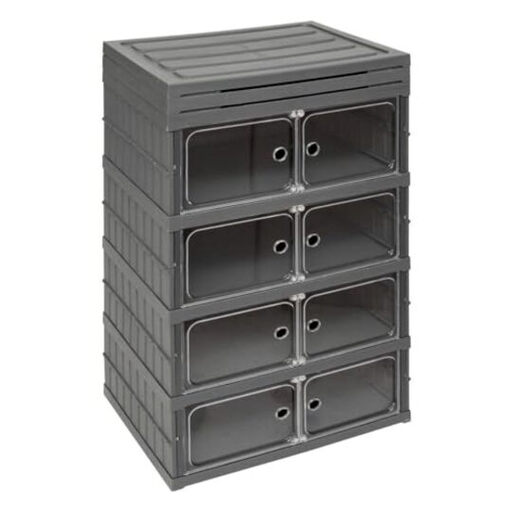
Why it's a great fit: Ideal for students, renters, or for a child's room. This solution is lightweight, requires no assembly, and can be folded down to save space when not in use. It offers a quick and hassle-free way to organise clothes, toys, or craft supplies.
The polypropylene material is resistant to humidity in normal living spaces, thus avoiding the pitfall of unsuitable materials. The tool-free, foldable design prevents problems from improper assembly right from the start.
No assembly required and can be stored flat when needed. Maximum flexibility for temporary or changing needs.
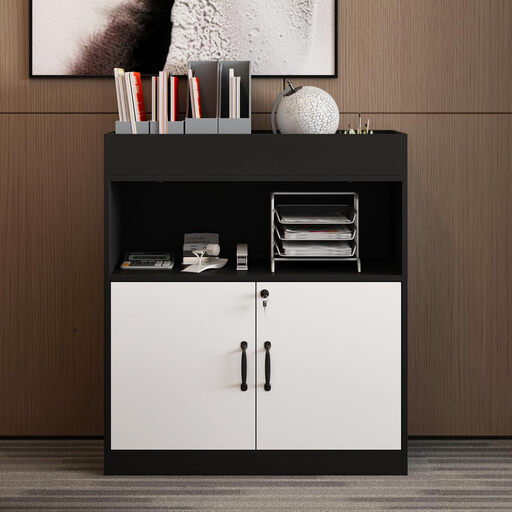
Why it's a great fit: Designed for the home office or study. The combination of open shelves for books and lockable doors for confidential documents provides a structured and secure storage solution.
This model specifically addresses the need for security that simple shelves don't offer. The included anti-tip device counteracts the risk of unstable construction, while the MDF build is suitable for use in dry office environments.
Lockable doors for the secure storage of documents and a functional mix of open and closed storage.
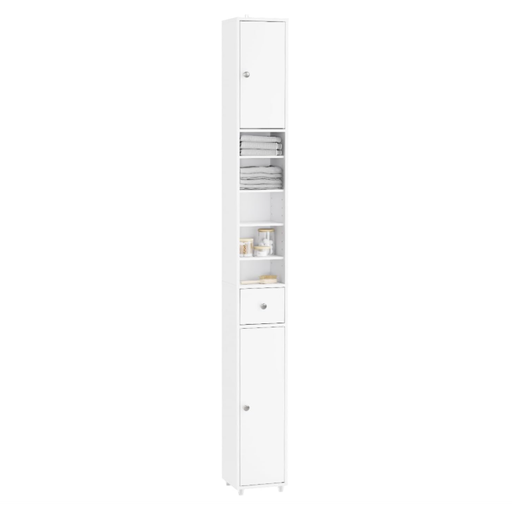
Why it's a great fit: At only 20 cm wide, this tall cabinet is specially designed for unused nooks and small bathrooms. It makes optimal use of the room's height to store towels, cosmetics, and cleaning supplies.
This model solves the problem of ill-fitting dimensions with its extremely slim design. The height-adjustable shelves provide the necessary flexibility often missing in standard furniture. The wall mount ensures the necessary stability for its height.
Extremely space-saving design (20x20 cm footprint) and a flexible interior layout thanks to 6 adjustable shelves.
We've compiled a complete, up-to-date list of products that meet these strict selection criteria and current safety standards.
Most taller cabinets come with an anti-tip kit, which usually consists of a bracket, screws, and wall anchors. The bracket is screwed to the top of the cabinet and to the wall. Always use anchors and screws that are appropriate for your wall type (e.g., concrete, drywall). The manufacturer's assembly instructions will provide specific directions.
For high-humidity areas like the bathroom, materials with a water-resistant surface are crucial. Lacquered or foil-coated MDF boards are a common choice. Even more durable are cabinets made of solid plastic or powder-coated metal. Avoid uncoated particle board, as it will absorb moisture and swell.
The load capacity varies greatly depending on the material, thickness, and span of the shelf. A simple particle board shelf (approx. 16 mm thick) can often hold between 5 and 10 kg. Shelves made of thicker MDF or solid wood can support 15 kg or more. The exact maximum load capacity is specified in the manufacturer's technical data and should not be exceeded for safety reasons.