
Lieferung heute & morgen

Qualitätsgarantie

Willkommens-Angebote freischalten: KOSTENLOSE Lieferung | Bis zu 80 % RABATT | Kostenlose 30-Tage-JoyPlus-Testphase
App herunterladen
A well-organized kitchen or workshop starts with the right storage. But the search for the perfect storage containers can quickly become overwhelming. Many products overpromise and underdeliver, leading to frustration instead of order. This guide will help you identify the crucial features and avoid buyer's remorse, ensuring you find a solution that truly fits your long-term needs.
Before you invest, it's wise to understand the typical problems that arise with low-quality products. Pay close attention to these three weak points:
To make the right decision, you should focus on objective criteria. The following three aspects are crucial for the longevity and functionality of your storage containers.
The choice of material has far-reaching implications for use and care.
An airtight container is only as good as its seal. A simple drop-on lid is not enough to protect the contents from air and moisture. You can recognize effective systems by the following features:
A thoughtful kitchen organization system saves space and time. Make sure the containers are stackable. Rectangular or square shapes make more efficient use of space in cabinets and refrigerators than round ones. A storage container set from the same product line ensures that the containers not only look good together but are also modularly designed to fit one another.
Different use cases call for different features. Here are three recommendations tailored to specific user profiles.
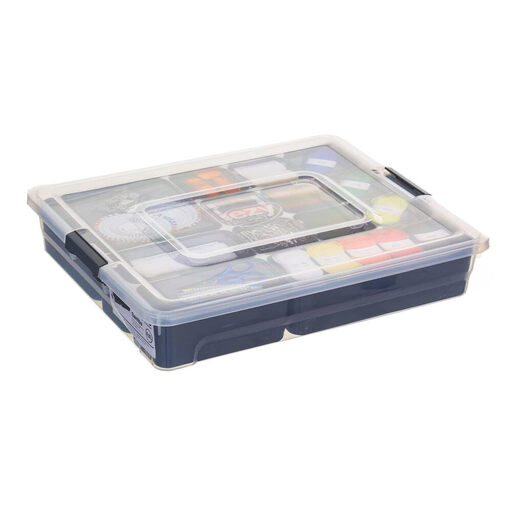
Why it's a great fit: Ideal for DIY enthusiasts, crafters, or collectors who need to neatly sort a variety of small items like screws, beads, or sewing supplies. The transparent plastic allows for a quick overview of the contents without having to open the box.
The box features sturdy side-locking clips that prevent accidental opening and hold the lid firmly in place, thus bypassing the problem of material fatigue in closures.
With 13 compartments and a 4.8-litre capacity, it offers a structured solution for a large number of small parts. Its low-profile design (7 cm height) is perfect for drawers or shallow shelves.
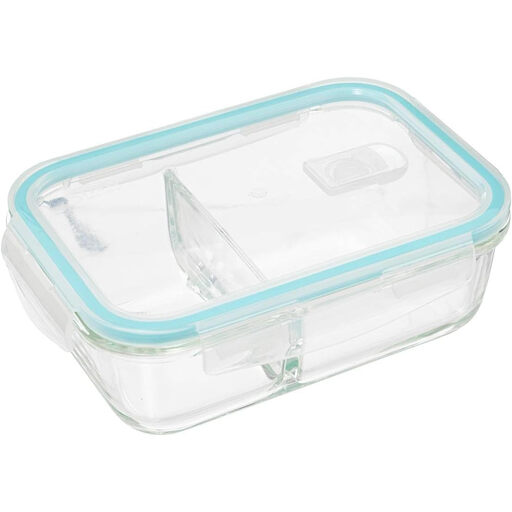
Why it's a great fit: Perfect for those who prepare and take their meals on the go. The compartments allow for separate storage of a main dish and sides. The borosilicate glass is durable and designed for daily use.
The glass does not absorb odours or stains from food. The lid, with its silicone gasket and locking clips, ensures leak-proof transport, solving the problem of unreliable seals.
The container is made of borosilicate glass, is dishwasher-safe, and its divided design makes it a versatile meal prep container.
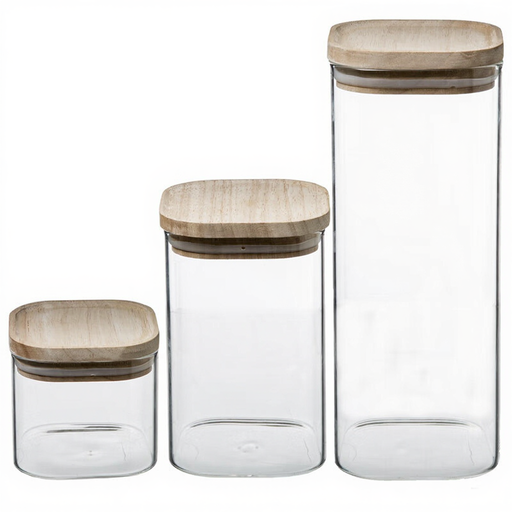
Why it's a great fit: For anyone who prefers an open and stylish kitchen organization. The combination of clear glass and natural wood lids creates a warm, cohesive look in the pantry or on a shelf.
Contrary to concerns that wooden lids might not seal tightly, an integrated silicone gasket ensures a hermetic seal. This effectively solves the problem of a non-airtight container.
This storage container set includes three 1-litre jars, which are ideal for dry foods like pasta, rice, or flour, thanks to the airtight seal.
We have compiled a complete, up-to-date list of products that fully meet these strict selection criteria and rigorous safety standards.
1. Are glass containers fundamentally better than plastic ones? There's no one-size-fits-all answer; it depends on the intended use. Glass is hygienic, heat-resistant, and doesn't stain, making it ideal for storing leftovers and acidic foods. Plastic is lighter, break-resistant, and often more affordable, making it a great choice for dry goods, transport, or organizing non-food items.
2. How can I tell if a container is truly airtight? Look for a visible, continuous silicone gasket in the lid and sturdy locking mechanisms, such as locking clips on all four sides. This combination ensures the lid is pressed firmly and evenly onto the container to create an effective seal.
3. Can all food storage containers go in the microwave and dishwasher? No, that's not always the case. Always read the manufacturer's instructions. Borosilicate glass containers are often microwave-safe, but the lids (especially those made of plastic or with wooden elements) usually are not. Many glass and plastic containers are dishwasher-safe, but harsh detergents or high temperatures can cause some plastics to warp or become cloudy. Wooden lids should always be cleaned by hand only.