
Lieferung heute & morgen

Qualitätsgarantie

Willkommens-Angebote freischalten: KOSTENLOSE Lieferung | Bis zu 80 % RABATT | Kostenlose 30-Tage-JoyPlus-Testphase
App herunterladen
Storage jars bring order to your kitchen, are ideal for dry goods, and can hold homemade jam, spice blends or snacks. When buying, though, it’s not just about looks. A pretty jar with an unsuitable lid, unclear sizing or a difficult-to-clean closure can quickly become impractical in daily use.
The most common buying problems come down to three typical pitfalls:
As a Joybuy Product Recommendation Officer, I’ve therefore organised the most important product features by actual use case. This makes it easier to decide whether storage jars, preserving jars, jam jars or specialist spice jars are right for your household.
The capacity should suit both the food and the storage space you have available. For spices or nuts, small containers of around 0.3 to 0.65 litres are often enough. Rice, pasta, flour or cereal, on the other hand, need larger glass containers for dry foods.
Alongside litres, also consider:
When looking at product details, check whether the volume refers to the nominal or the actual usable capacity. For the 5five container labelled “1.1 L”, the technical specifications also mention a usable volume of 0.1 L. This discrepancy should be clarified on the product page before you buy.
Borosilicate glass is often used for its temperature resistance and transparency. It can be a good choice for meal prep or fridge storage, provided the manufacturer approves that use. Standard glass also works well for many dry foods, but should not be exposed to sudden temperature changes without the manufacturer’s guidance.
With glass containers with lids, three components matter:
An airtight construction reduces contact with the surrounding air. However, it does not replace dry, cool and clean storage. Moist foods should not be kept for long periods in containers intended for dry goods unless explicit suitability is stated.
Wide openings make filling and washing easier, especially with jam jars and preserving jars. For containers with multiple compartments or narrow openings, it’s worth checking the cleaning instructions carefully.
Look out for:
Only use containers in the microwave or freezer if this is explicitly stated. Metal or wooden lids should never go in the microwave.
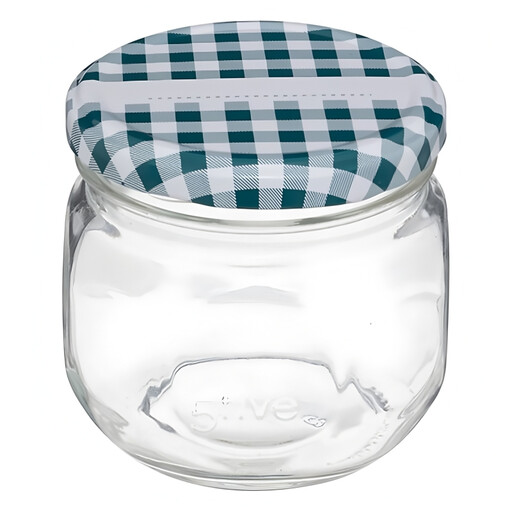
Why this product fits the profile: The set includes six jars, each with a 0.3-litre capacity, and is suitable for jam, chutney, honey or small spice blends.
The stated individual size and wide opening make portioning, filling and cleaning easier. The set prevents you from buying lots of different-sized single jars.
Six-piece set, 0.3 litres per jar, transparent design and stackable shape.
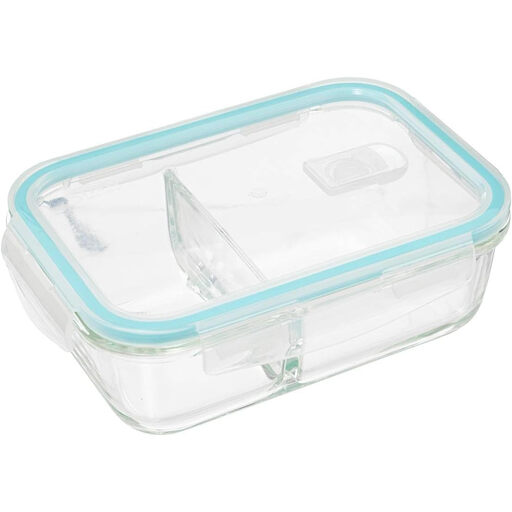
Why this product fits the profile: According to the product details, the container is made from borosilicate glass and features a compartment design for keeping components separate, such as in prepared meals.
The material and care information is clearly stated. Because of the differing volume in the technical data, the actual capacity should be checked before purchase.
Borosilicate glass, rectangular dimensions of 21.5 × 15.3 × 7.5 cm and stated dishwasher suitability.
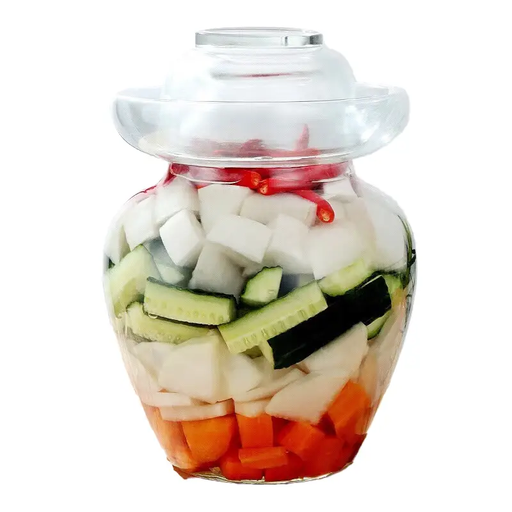
Why this product fits the profile: The stated size is aimed at households that want to pickle larger quantities or store homemade foods in a single container.
The large capacity makes the intended use clear. Before ordering, check the footprint, weight when full and the specific closure design.
Designed for larger storage quantities; suitable for pickles, eggs or wine according to the product name.
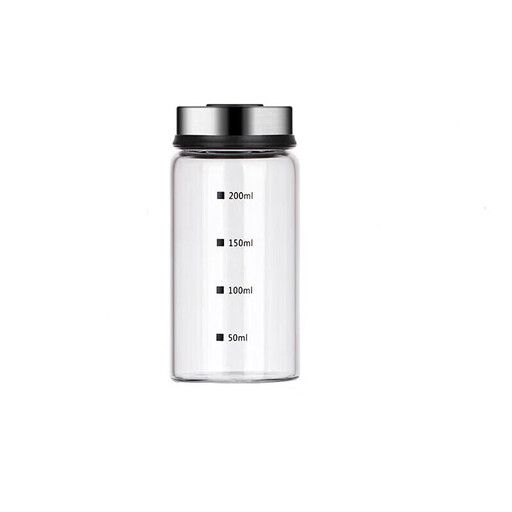
Why this product fits the profile: A rotating spice jar is designed for frequently used spices and can make accessing small quantities easier.
The specialised design prevents a large storage jar being used for small amounts of spice. Before filling, check the lid and opening mechanism for easy cleaning.
Borosilicate glass according to the product name, rotating design and compact purpose for spices.
We’ve put together a full, regularly updated list of products that fully meet these strict selection criteria and the safety regulations in force in the EU.
For dry foods, transparent jars with a suitable lid and a sufficiently large opening are practical. The capacity should be based on how much you use. For frequently used staple ingredients, larger kitchen storage jars make sense; for spices or toppings, smaller containers are enough.
No. Airtight storage depends on the design of the lid, seal and closure together. Descriptions such as “airtight” or “leak-proof” should be clearly explained in the product details. The seal must also sit cleanly and be checked regularly.
With proper use, glass containers can remain usable for a long time. Their lifespan depends on the glass thickness, closure, seal, cleaning and temperature fluctuations. Damaged jars with cracks or chips should not be used for food any longer.