
Lieferung heute & morgen

Qualitätsgarantie

Willkommens-Angebote freischalten: KOSTENLOSE Lieferung | Bis zu 80 % RABATT | Kostenlose 30-Tage-JoyPlus-Testphase
App herunterladen
Storage jars keep your cupboards organised and protect dry foods from moisture, odours and unnecessary packaging. However, not every model is equally suitable for coffee beans, flour, rice or spices. The key considerations are not just design and capacity, but above all the seal, material, cleaning requirements and footprint.
If you focus solely on terms such as “airtight”, “fresh” or “sustainable”, you could easily buy a product that is not right for your needs. The following selection criteria will help you distinguish marketing claims from features that really matter in practice.
A lid may appear to be closed without reliably protecting the contents from air and moisture. Look for a silicone sealing ring, a clip-top closure or a sealing design that is explicitly described. With an airtight storage jar, the rim should also be clean, even and free from crumbs. Even small residues can affect the seal.
The litre measurement describes the volume of the container, but does not automatically indicate how much of a particular food will fit inside. For example, 250 grams of coffee beans may require different amounts of space depending on the shape of the beans and the roast. The external dimensions are also important for kitchen organisation: a tall jar will not fit beneath every wall-cupboard shelf, while a wide model will not fit in every storage rack.
Glass is often straightforward to clean. However, lids made from wood, bamboo or pine frequently require hand care and should not be left wet for long periods. A jar described as dishwasher-safe does not automatically mean that the lid, seal and closure can also go in the dishwasher.
A glass food container has the advantage that the contents remain visible, and, when used correctly, the material does not absorb typical food odours. Borosilicate glass is used in some models, for example, but like conventional glass, it should be protected from impacts and sudden changes in temperature.
Food-safe plastics such as AS or PCTG can be lighter and more resistant to impacts. According to the product description, the MHW-3BOMBER model uses a food-safe plastic body with a silicone seal. Stainless steel is opaque and durable, but does not allow you to see the contents directly. This may be relevant for coffee if you want to store beans away from light.
For rice, pasta, sugar, tea and spices, a securely closing lid with a seal is sufficient. With an airtight coffee canister, the closure should be particularly easy to operate and remain reliably sealed, as opening it repeatedly is part of everyday use. A moisture indicator or hygrometer can provide additional information, but does not replace proper storage. According to the description, the measuring instrument integrated into the lid of the MHW-3BOMBER container is intended as a guide and is not designed to be a highly precise measuring device.
Important: dry foods should only be placed in the container when they are dry. An airtight lid cannot prevent moisture that was already trapped inside from causing clumping or changes in odour.
Stackable storage containers make efficient use of shelf space when their shape and lids are designed for stacking. Square jars can usually be placed next to one another more space-efficiently than round models. Before buying, check:
For storing coffee beans, an opening is useful if it allows you to dispense the beans without having to empty the entire container each time.
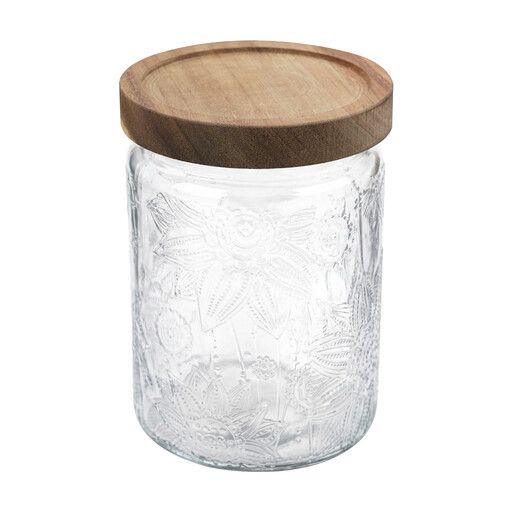
Why this product suits this profile: The 700ml glass jar is suitable for smaller quantities of coffee, tea, sugar, biscuits or spices. Its transparent glass makes it quick and easy to check the contents.
The product description states a capacity of 700ml and an airtight lid. This makes it easier to match your choice to the portion size and type of closure.
Clear glass, 700ml capacity and an engraved sunflower design; according to the description, the jar is dishwasher-safe.
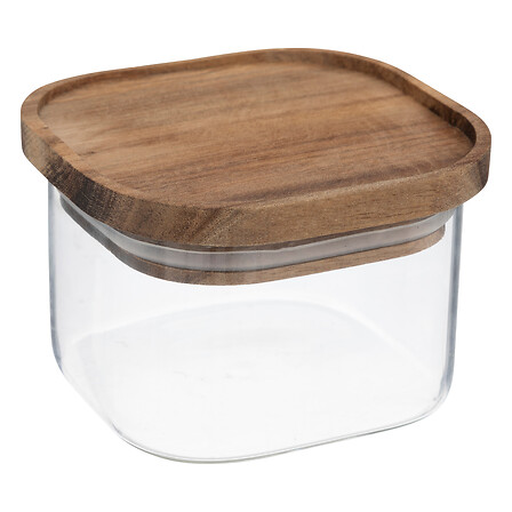
Why this product suits this profile: The combination of borosilicate glass and an acacia wood lid appeals to buyers who prioritise material specifications, reusability and a compact design.
The product details explicitly state the materials, dimensions and suitability for dry foods. The wooden lid should be cleaned by hand and kept dry.
0,4 l capacity, borosilicate glass, acacia wood lid and stated airtight sealing. Not intended for use in the microwave, oven or dishwasher.
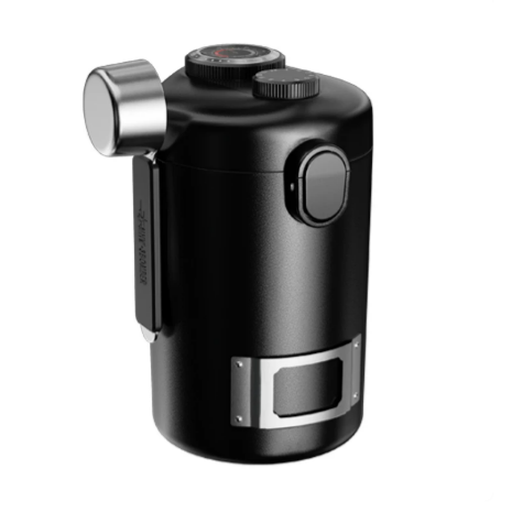
Why this product suits this profile: The model is designed for coffee, tea and dry foods and, according to the product description, features a dual storage structure and a moisture dial.
The dial is described as a reference indicator rather than a precision measuring device. This helps set realistic expectations about its function.
Food-safe materials according to the description, silicone seal, dual structure and integrated moisture indicator.
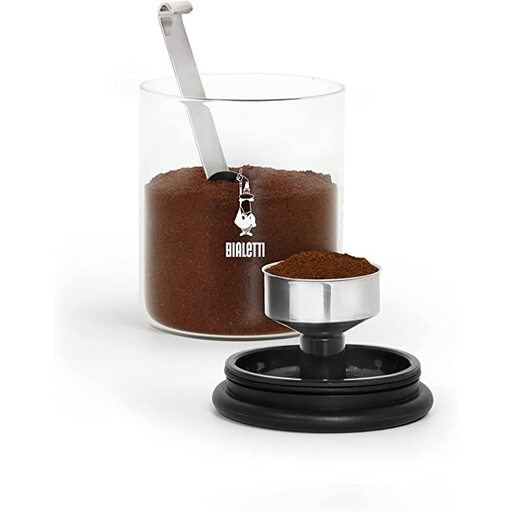
Why this product suits this profile: This version is designed for coffee drinkers who want to store and dispense beans visibly, and fill the jar via the integrated funnel.
The product details state approximate suitability for 250 grams of ground coffee, as well as the dimensions. This makes it easier to compare the capacity with your own consumption before buying.
Glass body, plastic and stainless steel elements, funnel function and included stainless steel coffee spoon.
We have put together a complete, regularly updated list of products that fully meet these strict selection criteria and the safety regulations applicable in the EU.
To ensure that a storage jar for dry foods retains its properties, clean it before first use and allow it to dry completely. Label jars of flour, sugar or spices with the contents and filling date. Coffee should be stored away from direct sunlight, sources of heat and strong odours.
Also bear in mind:
Yes, provided the container is designed for dry foods and the lid closes securely. For storing coffee beans, the right capacity, protection from moisture and keeping the opening time as short as possible during everyday use are all important. A transparent glass makes it easier to check the contents, but does not protect the coffee from light.
With careful handling, the glass body can be reused for a long time. Its lifespan depends on the closure, the seal and how the container is handled. If there are cracks, chips or a seal that has become permanently deformed, the storage jar should no longer be used for food.
It depends on the model. Some products have a dishwasher-safe glass body, while wooden lids, bamboo lids or seals must be cleaned by hand. Always check the care instructions for each individual component.