
Lieferung heute & morgen

Qualitätsgarantie

Willkommens-Angebote freischalten: KOSTENLOSE Lieferung | Bis zu 80 % RABATT | Kostenlose 30-Tage-JoyPlus-Testphase
App herunterladen
Living space is often limited, but the need for functionality and style is not. A storage ottoman is a smart solution for anyone looking to combine extra seating, a comfortable footrest, and discreet storage in a single piece of furniture. These multifunctional pieces help you stay organised without compromising on aesthetics.
This article serves as a guide. We will introduce various models, materials, and features to help you choose the perfect ottoman for your home. We focus on objective criteria like material, durability, and design, so you can make an informed decision.
Before you decide on a model, there are a few practical considerations to keep in mind. These criteria will help you find the ottoman that meets your needs for both design and functionality.
The cover material largely determines the look and feel of the ottoman. Current interior design trends favour textured and soft fabrics.
The shape of the ottoman should suit the available space and its intended use.
A storage ottoman must be sturdy. Pay attention to the maximum weight capacity specified by the manufacturer. Most models are designed to hold between 100 kg and 150 kg. The frame is often made of MDF (Medium-Density Fibreboard), which provides good stability with a relatively low weight. For ottomans with storage, it is also important that the lid fits snugly and securely.
Here is a selection of different storage ottomans that stand out for their design, materials, and functionality.

Why it stands out: This round pouf with storage from the brand DAY combines a modern design with practical utility. The soft teddy fabric cover (400 g/m?) creates an inviting look and feel.
Benefits:
Who is it for?: Ideal for those seeking a stylish yet functional piece for their living room or bedroom and who appreciate the cosy trend of teddy fabric ottomans.
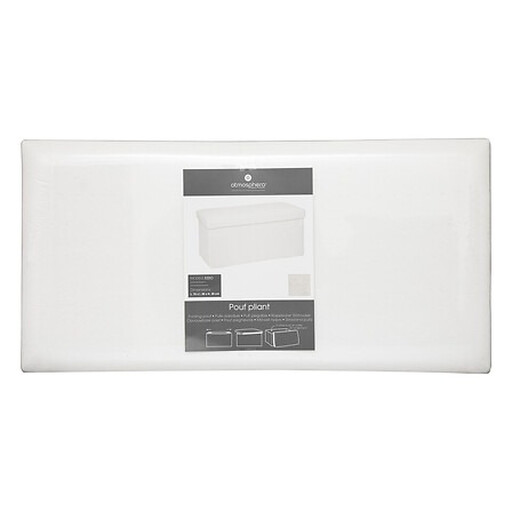
Why it stands out: The foldable storage bench from 5five is an elongated model that offers ample storage and a generous seating area. The white faux fur cover gives it an elegant touch.
Benefits:
Who is it for?: A great fit for anyone who needs maximum storage and wants a flexible solution that adapts to different living situations.

Why it stands out: This storage cube from eSituro is a prime example of functionality. It combines the popular cube shape with a soft teddy cover and a high weight capacity.
Benefits:
Who is it for?: An excellent choice for anyone looking for a classic, sturdy, and flexible storage ottoman for the living room, bedroom, or children's room.
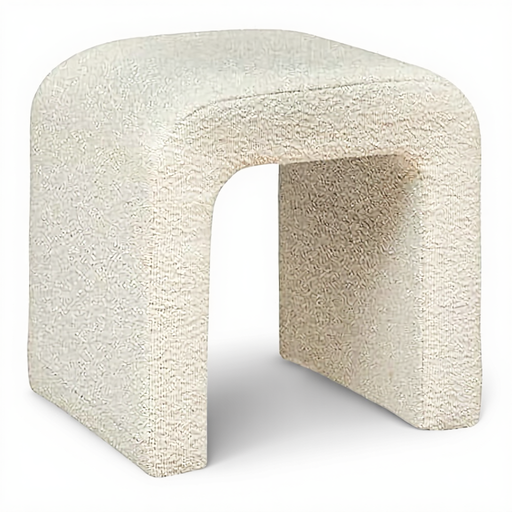
Why it stands out: The Sevi ottoman from Atmosphera places a clear focus on design. Its unique arch shape and bouclé pouf cover make it a decorative eye-catcher. Note: This model does not offer integrated storage.
Benefits:
Who is it for?: Perfect for design enthusiasts who prioritise aesthetics and want to add a special accent to their decor, without needing a storage function.
The selection of seating furniture is vast. If you are specifically looking for light tones or prefer other shapes and materials, it's worth exploring more options.
? Explore our entire selection of white ottomans and find the perfect model for your home.
1. What is the difference between a pouf and an ottoman? The terms are often used interchangeably. Traditionally, an ottoman or stool is a simple piece of furniture without a back or armrests, often with visible legs. A pouf is typically fully upholstered, low to the ground, and has no visible legs. A storage ottoman or an ottoman with storage are functional evolutions of these furniture types.
2. How much weight can a storage ottoman hold? The maximum weight capacity varies by model and construction. Most ottomans for home use are designed to support between 100 kg and 150 kg. It is important to check the specific manufacturer's details on the product label or in the product description to ensure safe use.
3. How do you clean a teddy fabric ottoman? To care for a teddy fabric ottoman, it is recommended to regularly brush the surface with a soft brush or vacuum it with an upholstery attachment. Light stains can often be removed with a slightly damp cloth and mild soapy water. Be careful not to soak the fabric to avoid damaging the underlying MDF structure.