
Lieferung heute & morgen

Qualitätsgarantie

Willkommens-Angebote freischalten: KOSTENLOSE Lieferung | Bis zu 80 % RABATT | Kostenlose 30-Tage-JoyPlus-Testphase
App herunterladen
A storage ottoman is a smart solution for anyone looking to combine functionality and style in their living spaces. Every square inch counts, especially in smaller apartments. However, the market is flooded with products whose quality and practical utility vary widely. Before you make a decision, it's important to know the most common pitfalls that can quickly turn a supposed helper into a source of frustration.
Many buyers focus on the external appearance and overlook critical flaws that only become apparent in daily use. These include:
To avoid these problems, you should focus on a few crucial technical parameters.
A good storage stool is more than just a box with a lid. Pay attention to the following features to acquire a durable and genuinely useful piece of furniture.
The stability of a stool depends directly on the material of its body and frame. Models made from E1-grade MDF (Medium-Density Fibreboard) offer a solid and dimensionally stable base. In combination with legs made of solid wood, they ensure excellent stability. Always pay attention to the maximum weight capacity specified by the manufacturer. A value of 150 kg is a good indicator of a robust construction that serves not only as a footrest but also as a proper seating option. Cheaper models often use simple cardboard, which quickly gives way under regular use.
Don't be fooled by the external dimensions. The decisive factor is the usable internal volume, which is ideally specified in litres. A small stool for the living room with a volume of 8 to 10 litres is well-suited for remote controls, magazines, or charging cables. However, if you want to store blankets or larger items, you'll need a larger storage ottoman that holds 40 litres or more. Check the internal dimensions (diameter and height) to ensure the space is sufficient for your needs.
The choice of upholstery fabric should be based on the location of use and your lifestyle.
The shape also plays a role. A round ottoman often appears softer and blends harmoniously into existing seating arrangements, while square models can be placed flush against walls or other furniture.
Here are three models tailored to different needs and living situations.
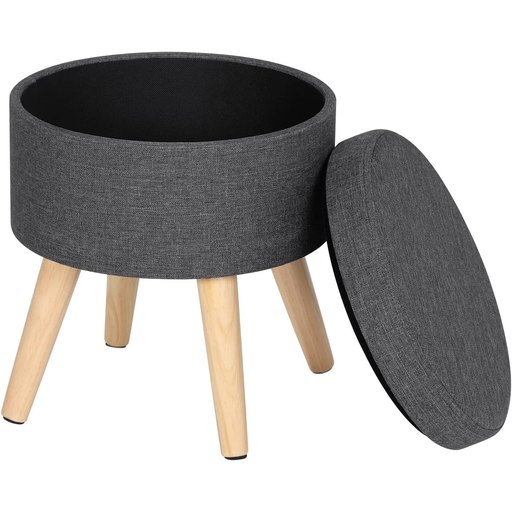
Why This Fits Their Persona: Ideal for users looking for a straightforward and functional solution. The neutral design and low-maintenance linen cover fit into almost any interior concept, from the hallway to the living room.
The E1-grade MDF frame and solid wood legs prevent instability. The 8-litre storage volume is clearly stated, avoiding false expectations.
High weight capacity of 150 kg according to the manufacturer. Scratch-resistant pads on the feet protect the floor.
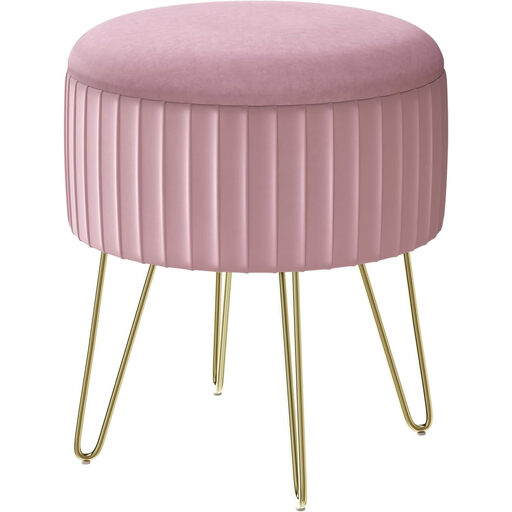
Why This Fits Their Persona: Perfect for anyone seeking a decorative piece of furniture with practical added value. The velvet upholstery and metal legs make it an elegant footstool or a chic addition to a vanity table.
This model combines stylish design with a solid build. It avoids the trap of purely decorative but unstable furniture with a 150 kg weight capacity and an MDF frame.
Delivered fully assembled and ready to use immediately. The "Dutch Velvet" cover and striped design create a distinct visual accent.
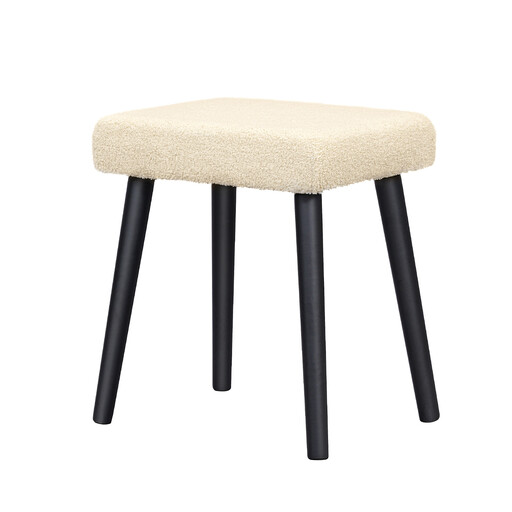
Why This Fits Their Persona: For users who prioritise seating comfort above all else. Ideal as a comfortable vanity stool or as an extra, soft seat where storage is not required.
This model avoids the pitfall of inadequate storage by focusing entirely on seating comfort. It's a deliberate choice for a specific purpose, not for storage.
The extra-thick, high-resilience foam padding and soft teddy fabric offer superior seating comfort. The sturdy construction supports up to 150 kg, according to the manufacturer.
We've compiled a complete, up-to-date list of products that fully meet these strict selection criteria and safety requirements.
1. How much weight can a storage ottoman really support? The capacity depends on the frame material and construction. Refer to the maximum weight capacity specified by the manufacturer, which is often 150 kg for solid models. This value applies to evenly distributed weight on a flat surface. Avoid standing or jumping on the stool, as this can lead to concentrated overloading.
2. Can you wash the cover of an upholstered stool? In most cases, the covers of upholstered stools are not removable and therefore not machine-washable. The recommended cleaning method is spot cleaning with a slightly damp cloth. Materials like linen are generally less sensitive than velvet in this regard. Always follow the specific care instructions provided by the manufacturer.
3. Will a blanket fit inside a typical storage stool? This largely depends on the internal volume. A small, round pouffe with a volume of 8 to 12 litres is more suitable for small items like remote controls, books, or toys. For a standard-sized throw blanket, you will typically need a larger, often rectangular ottoman with a storage volume of 40 litres or more. Check the specified internal dimensions or the volume in litres before purchasing to be sure.