
Lieferung heute & morgen

Qualitätsgarantie
App herunterladen
Kategorien
A storage ottoman is a multifunctional piece of furniture that addresses two primary needs in living spaces: providing flexible seating and creating concealed storage. This combination optimises the use of space, especially in smaller apartments or rooms where space is limited. Its functionality often extends beyond just seating to include use as a footrest, a side table, or a decorative accent. The engineering behind these pieces aims to combine stability, load capacity, and material durability within a compact design.
Choosing the right model is based on objective criteria tailored to individual needs and spatial constraints.
The structural integrity of a storage ottoman is largely determined by its frame material. MDF (Medium-Density Fibreboard) is commonly used. This material offers high density and dimensional stability, which is crucial for the load-bearing capacity of the seat and side walls. Some models, particularly in the premium price range, may also feature frames made of solid wood or metal.
The upholstery fabric affects the texture as well as the durability and ease of care:
Another key construction feature is the distinction between rigid and foldable models. A foldable storage chest can be collapsed flat when not in use for space-saving storage. Rigid models often provide greater stability and are designed for permanent placement.
The maximum load capacity is a critical safety feature, specified in kilograms (kg). It indicates the static weight the structure can withstand. Models intended for adult seating should have a load capacity of at least 100 kg. Premium models can reach capacities of up to 300 kg, made possible by reinforced lids or additional metal elements at the corners.
The storage volume, usually specified in litres (L), defines the capacity of the interior compartment. For context, a volume of 40 litres can hold several cushions or a blanket, while models with over 100 litres can accommodate bedding, toys, or files. The external dimensions are crucial for integrating the piece into your space, whether as a living room ottoman, a bench at the foot of the bed, or compact seating in a hallway.
Beyond its core function as seating and a storage box with a lid, other details can enhance its utility. A padded lid with high-density foam (e.g., 25D) increases seating comfort. A removable lid is practical for quick access, whereas a hinged lid remains firmly attached to the body. Design elements like a tufted surface (button tufting) or decorative trim serve an aesthetic purpose but generally have no functional relevance.
The following products have been selected based on their technical specifications and functional design.
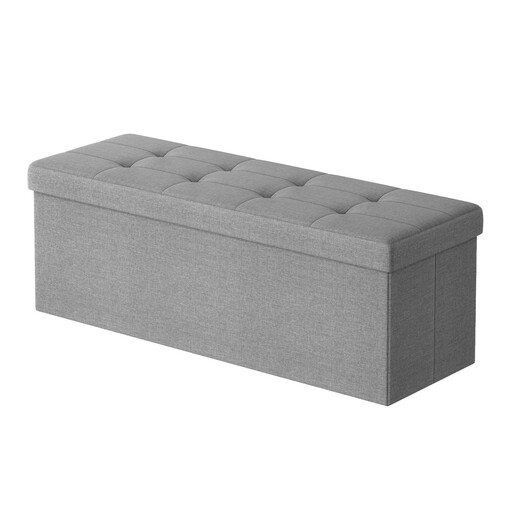
Why We Recommend This Product This model, designed as a storage bench, combines a high load capacity with a very large storage volume. The MDF construction is reinforced with metal corner protectors on the lid, enabling a static load capacity of up to 300 kg, according to the manufacturer. With a 131-litre volume, the bench offers ample space for bedding, blankets, or seasonal clothing. Its foldable design allows for easy assembly and disassembly.
Pros:
Best Suited For:
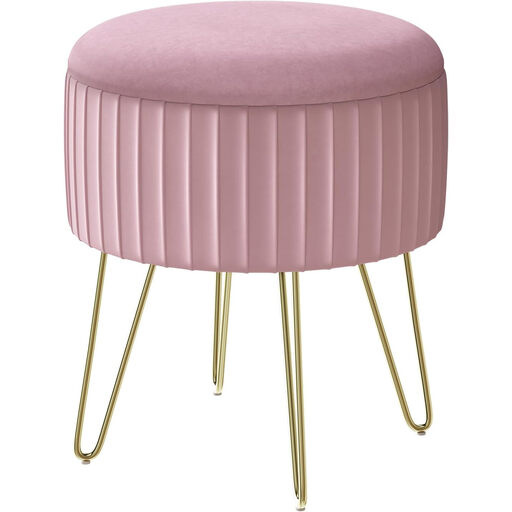
Why We Recommend This Product This round upholstered ottoman with storage makes a stylish statement. The velvet upholstery and gold-finished metal legs give it a modern aesthetic. With its compact dimensions (Ø31.5 cm), it is perfectly suited as a footrest with storage or as an extra, flexible seat next to a sofa. The wood and MDF construction supports up to 150 kg, according to the manufacturer. The product is delivered fully assembled and is ready to use out of the box.
Pros:
Best Suited For:
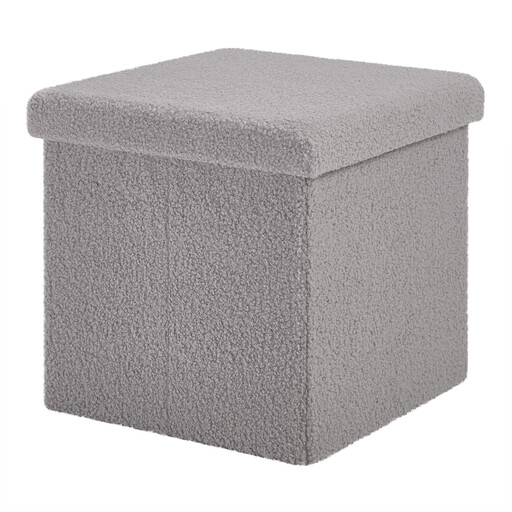
Why We Recommend This Product This offer includes a set of two identical, foldable storage ottomans. The teddy fleece upholstery provides an exceptionally soft and comfortable surface. Each ottoman offers a storage volume of 38 litres and a manufacturer-stated load capacity of up to 200 kg, based on a frame made of E1-grade MDF. Their low weight and foldable design make these ottomans extremely versatile—whether as spontaneous seating for guests, a toy box in a child's room, or a nightstand alternative.
Pros:
Best Suited For:
If the focus is less on maximum storage and more on superior comfort for extended periods, other furniture categories might be worth considering. For dedicated relaxation zones in the living room, armchairs with footstools, which are primarily designed for ergonomics and relaxation, are an excellent option. They represent an alternative when the storage function is a secondary concern.
1. How much weight can a storage ottoman hold? The maximum load capacity varies significantly depending on the model and construction. Compact ottomans are often rated for 100 kg to 150 kg. Larger benches or models with a reinforced MDF frame, as shown by the SONGMICS example, can support a static load of up to 300 kg. The manufacturer's specification should always be followed.
2. Is a foldable storage chest stable? Yes, modern foldable models are designed for stability. They derive their strength from a base plate that is inserted into the body after unfolding, which stiffens the entire structure. As long as the maximum load limit is not exceeded, they provide a secure seating option.
3. What is the difference between an ottoman and a stool? The terms are often used interchangeably. Historically, an ottoman is a padded, backless bench. Today, the term is frequently used for larger, upholstered stools that serve as a seat, a coffee table substitute, or a footrest. A "stool" is a more general term for a low seat without a back or armrests. A "storage ottoman" is therefore a specific subcategory, often also referred to simply as an ottoman.