
Lieferung heute & morgen

Qualitätsgarantie
App herunterladen
Kategorien
A storage ottoman is a functional solution for living spaces where optimising space is a key priority. This piece of furniture combines additional seating with a hidden storage compartment, addressing two fundamental needs of modern living: comfort and organisation. Designed as a storage stool or ottoman box, it serves to store everyday items while helping to structure the room.
Selecting the right model is based on an analysis of its technical specifications. Material quality, dimensions, load capacity, and the specific storage volume are crucial criteria that determine its suitability for the intended use.
The decision to purchase an upholstered storage ottoman should be based on an objective evaluation of its features. The following criteria provide a guide for making an informed choice.
The stability of an ottoman is largely determined by its frame material. MDF (Medium-Density Fibreboard) panels are frequently used and are classified according to EU standards. The E1 grade designation, for example, indicates that the material is low-emission and complies with strict limits for formaldehyde emissions. The static load capacity, specified in kilograms, is a key indicator of the construction's robustness. This value indicates the weight the ottoman can support in a static state.
The outer material affects the tactile feel as well as the durability and ease of care. Common materials include:
The padding usually consists of high-resilience foam, whose density determines the seating comfort and shape retention over time.
Before purchasing, it is essential to precisely compare the product dimensions (length x width x height) with the available space at the intended location. The storage volume, usually specified in litres, quantifies the available space inside the ottoman. A storage ottoman cube often offers a volume between 30 and 50 litres, while an elongated storage bench can hold over 100 litres.
A foldable storage ottoman offers significantly increased flexibility. Such models can be disassembled and stored to save space when not in use. This feature is particularly advantageous for temporary setups, small apartments, or for situations with changing space requirements.
The following models have been selected based on their technical specifications and practical utility.
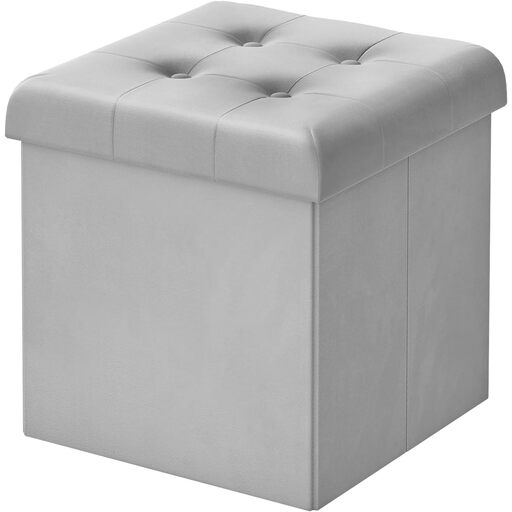
Why We Recommend This Product This model from WOLTU combines a high load capacity with an elegant design. According to the manufacturer's specifications, its E1 grade MDF construction allows for a static load capacity of up to 300 kg, indicating high stability and durability. The velvet upholstery gives the ottoman a premium look and feel.
Pros
Who It's For This storage ottoman cube is suitable for users seeking an exceptionally sturdy yet visually appealing piece for their living room or bedroom. Its high load capacity makes it a reliable seating option.
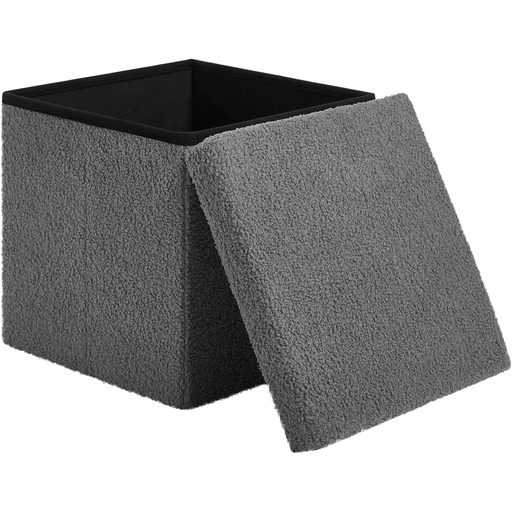
Why We Recommend This Product The eSituro stool focuses on comfort with its soft teddy fleece cover. It functions perfectly as a footstool with storage or as a cosy, additional seat. The design prioritises practicality and a pleasant tactile experience.
Pros
Who It's For This model is ideal for those who value a cosy atmosphere. It fits well in reading nooks, bedrooms, or as a comfortable addition to a sofa set.
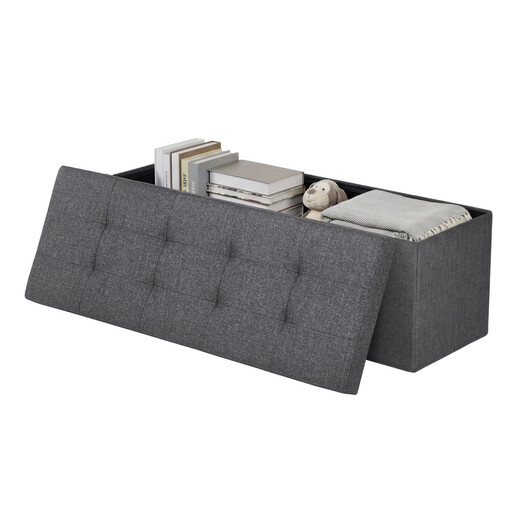
Why We Recommend This Product This storage bench from Ochama x SONGMICS stands out for its generous size and large storage volume. With a length of 110 cm and a capacity of 131 litres, it offers a comprehensive storage solution that can also serve as a bench for multiple people.
Pros
Who It's For This model is the right choice for families or households with significant storage needs. It maximises utility in larger spaces such as living rooms or spacious entryways.
If the models presented here do not exactly meet your requirements for size, material, or design, you can find a wider selection of multifunctional storage solutions. A look at the Living Room Storage Box category offers other variants that differ in form and function.
1. What is the average load capacity of a storage ottoman? The static load capacity varies significantly depending on the model and construction. Compact ottoman cubes often have a load limit between 100 kg and 150 kg. More robustly constructed models, often with reinforced frames, can support up to 300 kg according to manufacturer specifications. It is essential to check the manufacturer's specific details before use.
2. Can a storage ottoman be used as a step stool? No. A storage ottoman, even a very sturdy one, is not designed to be used as a step stool or a substitute for a ladder. Using it as a climbing aid poses a high risk of tipping and injury. Manufacturers explicitly state in their safety instructions not to use the product for this purpose.