
Lieferung heute & morgen

Qualitätsgarantie

Willkommens-Angebote freischalten: KOSTENLOSE Lieferung | Bis zu 80 % RABATT | Kostenlose 30-Tage-JoyPlus-Testphase
App herunterladen
A storage ottoman is more than just a piece of furniture; it's a smart solution for modern living. Whether used as extra seating, a comfortable footstool with storage, or a stylish side table, its multifunctionality makes it indispensable, especially in rooms where every square inch counts. However, the market is flooded with models of widely varying quality. Many buyers only realise after a few months that their new ottoman wobbles, the fabric shows wear, or the storage compartment is impractically small.
This guide will help you navigate the most common traps and find a model that is both functional and durable. We focus on the crucial features that often get lost in the marketing noise.
Before you make a decision, be aware of these widespread issues that often lead to disappointment:
To avoid a bad purchase, you should carefully examine three core parameters. These determine the longevity and practical utility of your new piece of furniture.
Stability is the most crucial factor. Pay close attention to the material specifications for the frame.
The cover defines not only the look but also the feel and maintenance requirements.
A pouf with storage should be practical. Compare the storage volume in litres, if provided. A volume of 8–10 litres is sufficient for small items like charging cables or magazines. Models with 30 litres or more can already hold cushions or a small blanket. Foldable models are particularly space-saving when not in use, while stackable sets offer maximum flexibility.
Here are some recommendations tailored to different needs and living situations.
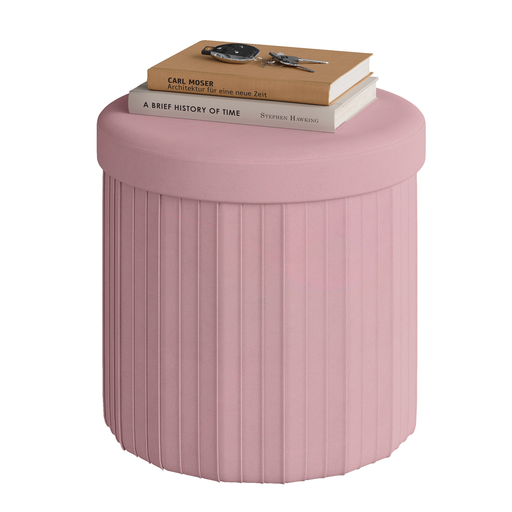
Why This Fits Their Persona: Ideal for students, first apartments, or anyone looking for a flexible and affordable solution. The foldable design allows the ottoman to be stored compactly when not in use.
Despite the foldable design, the frame made of E1-grade MDF and a base plate ensure stability. The storage volume of 30 litres is clearly defined and practical.
Large storage volume (30 L) and a load capacity of up to 150 kg (according to the manufacturer). Extremely lightweight (2.1 kg) and can be assembled and disassembled without tools.
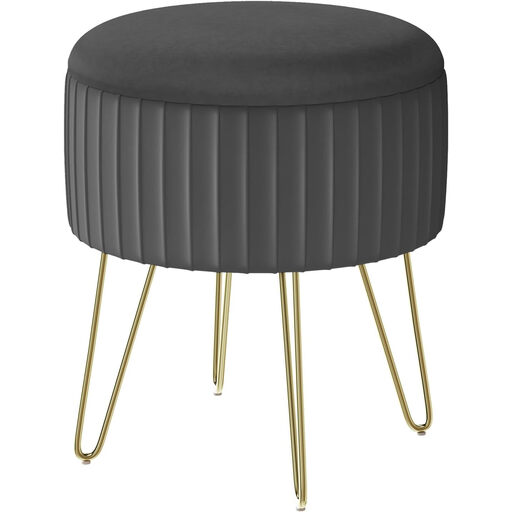
Why This Fits Their Persona: Perfect for those who appreciate a modern, Scandinavian-inspired design. The combination of a velvet cover and slim metal legs makes it a real statement piece in the living room or bedroom.
The four sturdy metal legs and the internal MDF frame provide high stability, avoiding the wobbling issue of cheaper models. The weight capacity of 150 kg is designed for daily use as a seat.
Elegant design with vertical stripes and stable metal legs. Non-slip feet protect the floor. The 8.4-litre storage space is ideal for everyday items.
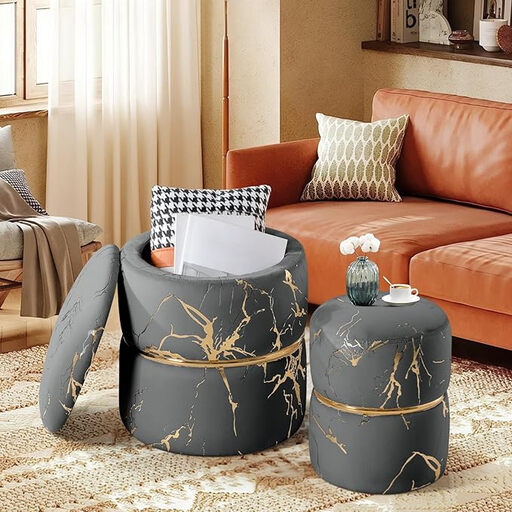
Why This Fits Their Persona: Ideal for users who need multifunctional furniture for various purposes, such as a vanity stool and a footrest. The set includes two stools; the larger one has storage, and the smaller one can be nested inside to save space.
The construction with a sturdy wooden frame ensures a reliable weight capacity of up to 135 kg (according to the manufacturer). The stacking function is a clear, practical feature, not a vague promise.
Two stools in one set for maximum flexibility. The smaller stool can be stored inside the larger one (nesting design). Versatile use as a seat, footstool, or side table.
We've compiled a complete, up-to-date list of products that meet these strict selection criteria and current requirements.
The stated maximum weight capacity (e.g., 150 kg) typically refers to a static load, meaning a quiet and evenly distributed weight. This means it's sturdy enough for a person to sit on. However, avoid jumping on it or using it as a step ladder, as dynamic loads can damage the structure. Always check the manufacturer's specifications for your specific model.
Yes, many foldable models are designed for sitting, provided they are assembled correctly. The key is a stable construction of MDF boards and a well-fitting base plate that gives the ottoman its shape and rigidity. Again, be sure to check the maximum weight capacity specified by the manufacturer and place the ottoman on a level surface.
Velvet is more delicate than other fabrics. For regular maintenance, it's sufficient to remove dust with a soft brush or a vacuum cleaner with an upholstery attachment on a low suction setting. For light stains, a slightly damp, lint-free cloth can help. Gently dab the area instead of rubbing. Avoid aggressive cleaning agents, as they can damage the colour and fibres.