
Lieferung heute & morgen

Qualitätsgarantie

Willkommens-Angebote freischalten: KOSTENLOSE Lieferung | Bis zu 80 % RABATT | Kostenlose 30-Tage-JoyPlus-Testphase
App herunterladen
The right storage shelf can transform a room, creating order while serving as a design element. But the market is flooded with products whose quality and functionality only become apparent after purchase. Many shelves turn out to be wobbly, use space inefficiently, or show signs of material fatigue after a short time. This guide will help you identify the crucial features and make an informed choice.
Before you invest, you should be aware of the typical flaws often hidden behind appealing product photos.
bookshelf, the maximum static load capacity per shelf is a critical value.wooden shelf without an adequate sealant will quickly swell in humid environments like a bathroom or kitchen. Similarly, a low-quality paint finish on a metal shelf can peel and lead to rust. The surface treatment is crucial for longevity.kitchen organiser or a modular system should adapt to your needs, not the other way around.To avoid the problems mentioned above, focus on three technical aspects that determine the quality and functionality of your new shelf.
The choice of material affects stability, durability, and aesthetics.
industrial design and heavy loads. A powder coating provides robust protection against scratches and rust and is easier to maintain than simple paint.The type of shelf determines where and how you can use it.
create storage space.Think carefully about what you want to store. A spice rack has different requirements for shelf depth than a shelf for large cookbooks. A wine rack must allow for horizontal bottle storage to keep the cork moist. For a bathroom shelf, rust-proof materials and water-repellent surfaces are essential.
Here are some product suggestions tailored to specific user profiles and requirements.
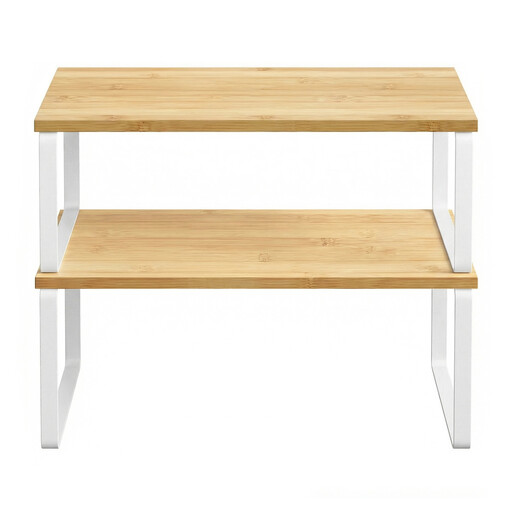
Why This Fits Their Persona: Ideal for anyone looking for an adaptable solution for their kitchen countertop or cupboard. Perfect for neatly organising spices, tins, or dishes and making the most of available space.
This set bypasses the inflexible design trap. The two shelves can be stacked, nested, or used separately, offering maximum flexibility for any kitchen cupboard or worktop.
The combination of metal and engineered wood is sturdy and visually appealing. According to the manufacturer, each shelf has a static load capacity of up to 15 kg.
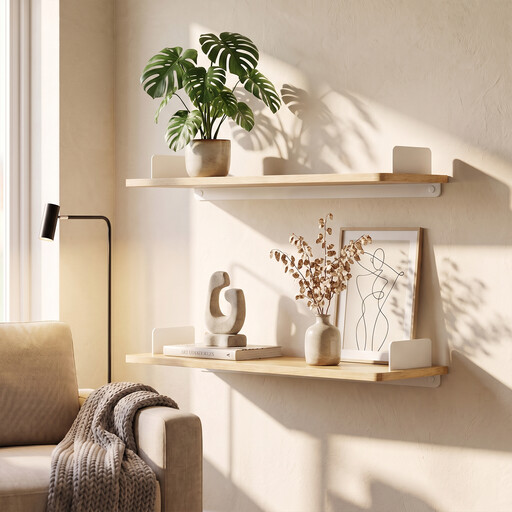
Why This Fits Their Persona: For users seeking an aesthetic yet functional storage solution. This floating shelf serves as a stylish decorative element for books, plants, or picture frames in the living room, office, or bathroom.
It counters the problem of unstable construction with high-quality materials. According to the manufacturer, it is made of FSC-certified solid rubberwood and an aluminium alloy, ensuring a high load capacity of up to 20 kg.
The minimalist, award-winning design (Muse Design Award, French Design Award) combines wood and metal. The lacquer coating makes it water- and rust-resistant.
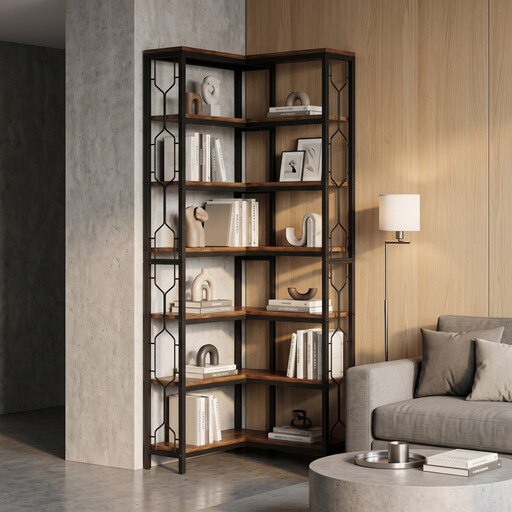
Why This Fits Their Persona: Perfect for anyone wanting to transform an unused corner into highly functional storage space. This corner shelf makes optimal use of the room's height, offering plenty of space for books, binders, or decor across seven tiers.
It addresses the instability trap with several features: a reinforced metal frame, adjustable feet for uneven floors, and an included anti-tip kit for securing it to the wall.
Maximum space utilisation thanks to the L-shaped corner design. According to the manufacturer, the load capacity per shelf is up to 45 kg, making it extremely robust for heavy items.
We have compiled a complete, up-to-date list of products that fully meet these strict selection criteria and relevant safety regulations.
1. How do I securely mount a wall shelf? The safety of a wall shelf depends on correct installation. Always use wall plugs and screws appropriate for your wall type. Concrete walls require different plugs than plasterboard/drywall (hollow-wall anchors). Before drilling, use a stud finder or pipe detector to check for electrical wires or water pipes. Follow the manufacturer's installation instructions precisely.
2. How much weight can a floating shelf hold? The load capacity of a floating shelf varies greatly depending on the model, wall condition, and installation. Typical values range from 5 to 15 kg. The manufacturer's specification for the maximum static load capacity is the crucial figure. Do not exceed this value and distribute the weight evenly across the shelf.
3. How do I properly care for a wooden shelf? Care depends on the surface finish. Lacquered surfaces can simply be wiped with a slightly damp cloth. Oiled wood should be regularly re-treated (about once a year) with a suitable conditioning oil to nourish and protect the wood. For all wood types, avoid harsh cleaning agents and excessive moisture.