
Lieferung heute & morgen

Qualitätsgarantie

Willkommens-Angebote freischalten: KOSTENLOSE Lieferung | Bis zu 80 % RABATT | Kostenlose 30-Tage-JoyPlus-Testphase
App herunterladen
A cluttered kitchen cabinet, an overloaded countertop, or a blank, unused wall—these are common problems for anyone living with limited space. The right storage shelf promises an easy solution. Yet, the selection is vast, and not every product lives up to its promises. Often, impulse buys lead to frustration: the shelf doesn't fit, it's unstable, or the material gives out after a short time.
This guide will help you identify common purchasing pitfalls and make an informed decision. We focus on the objective criteria that truly matter to find a durable and functional solution for your home.
The 3 Most Common Mistakes When Buying Shelves (and How to Avoid Them):
To find a solution that creates lasting order, you should focus on verifiable product features.
The choice of material is crucial for the lifespan and intended location of your shelf.
Stability is not a subjective impression but a measurable value. Pay attention to the specified maximum static load capacity per shelf in kilograms. This value indicates how much weight a shelf can hold when evenly distributed. A freestanding shelf organiser should have a sturdy frame and non-slip feet. For a wall shelf or floating shelf, proper anchoring to the wall is critical. The included wall plugs and screws must be suitable for your wall type (e.g., drywall, brick).
A good kitchen organisation system adapts to your needs, not the other way around.
Based on these objective criteria, we have selected a few products suitable for specific user profiles.
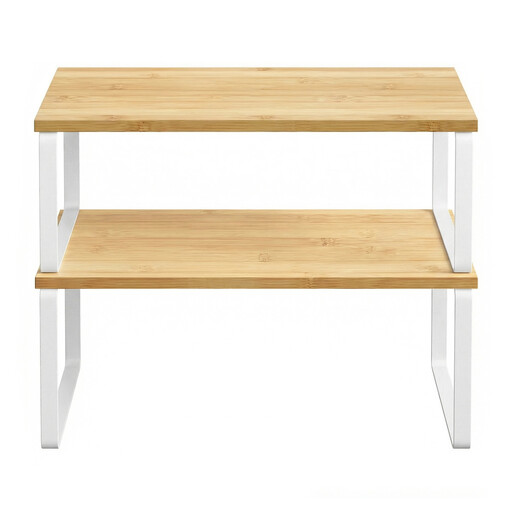
Why This Fits Their Persona: Ideal for anyone looking to maximise limited space on a countertop or inside kitchen cabinets. The set can be stacked, nested, or used separately to create a customised storage solution.
The flexible and expandable design bypasses the pitfall of impractical dimensions. Its sturdy construction of metal and engineered wood offers a high load capacity of 15 kg per shelf, according to the manufacturer.
Stackable, expandable, and versatile enough to be used as a cabinet shelf insert or a spice rack. The combination of white metal and natural-finish wood fits into many kitchen designs.
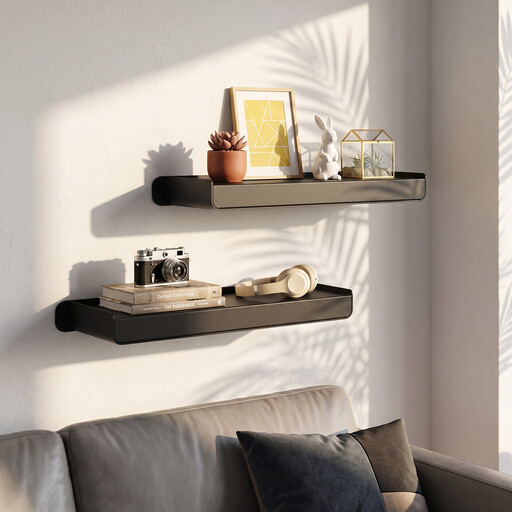
Why This Fits Their Persona: For users seeking a solution that is both aesthetic and functional. The minimalist design serves as a stylish decorative element in the living room, office, or bathroom while also creating order.
Crafted from robust, rust-resistant aluminium, it avoids the material trap in damp rooms. The high load capacity of up to 20 kg (according to the manufacturer) with correct installation dispels any concerns about stability.
According to the manufacturer, the design was honoured with the German Design Award 2022. The rubber pads on the back protect the wall and compensate for minor unevenness.
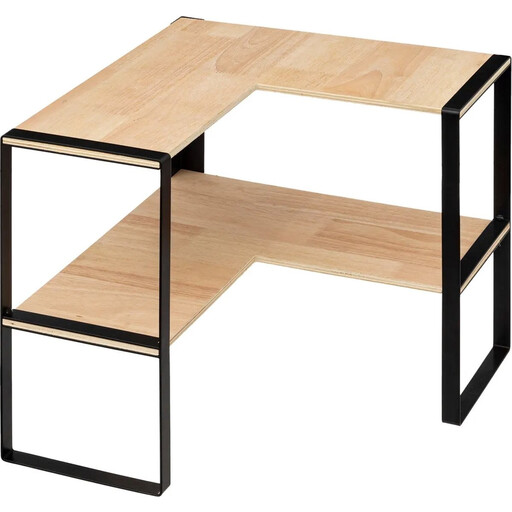
Why This Fits Their Persona: Perfect for those who want to make practical use of an unused corner in the kitchen or bathroom. This shelf creates two tiers of storage space for spices, canisters, or pots.
This corner shelf solves the problem of impractical dimensions by perfectly filling a specific, often-neglected niche. The steel frame ensures a stable construction on the countertop or inside a cabinet.
Optimal use of space in corners. The two-tier design doubles the storage surface in a small footprint and provides better organisation in the kitchen.
We have compiled a complete, up-to-date list of products that fully meet these strict selection criteria and relevant safety regulations.
For a bathroom shelf, materials with high moisture resistance are crucial. Aluminium and powder-coated or stainless steel are the most reliable options here, as they do not rust. Engineered wood should only be used in very well-ventilated bathrooms and requires a completely intact, water-repellent coating.
The safety of a floating shelf depends on two factors: the condition of the wall and the correct installation. Always use wall plugs appropriate for your wall type (e.g., special cavity wall anchors for drywall or expansion anchors for brick walls). Follow the manufacturer's assembly instructions exactly and never exceed the specified maximum load capacity.
The static load capacity indicates the maximum weight that a shelf or shelf tier can support under stationary conditions when the load is evenly distributed. It is an important indicator of stability. Avoid dynamic loads, such as abruptly placing very heavy objects, as these can temporarily increase the stress significantly.