
Lieferung heute & morgen

Qualitätsgarantie

Willkommens-Angebote freischalten: KOSTENLOSE Lieferung | Bis zu 80 % RABATT | Kostenlose 30-Tage-JoyPlus-Testphase
App herunterladen
Storage shelving helps keep things tidy, but choosing the wrong one can quickly turn into a wasted purchase. It’s not just about colour or current interior trends. The material, weight capacity, installation method and available space all determine whether a shelf will work for you day to day.
Three common pitfalls can lead to unnecessary spending:
Weight capacity is the most important technical specification. Lightweight wall storage may only need to support a few kilograms for keys, towels or small accessories. Books, groceries and vinyl records need a sturdier construction.
Fitness equipment has much higher requirements. A weight plate rack with a stated maximum load of 400 kg is designed for different conditions from an ordinary metal shelf. Never exceed its load limit. Where possible, place heavier weight plates on the lower holders to keep the centre of gravity low.
Also check whether the capacity applies to each shelf, hook or the whole unit. Distributing the weight evenly reduces pressure on individual points.
Powder-coated steel is often used for black shelving, kitchen shelves and fitness racks. The coating can make the surface more resistant to moisture and everyday wear. However, avoid leaving water standing on it, especially in the bathroom.
MDF with an internal metal frame can work well for decorative wall shelves. Solid wood has plenty of character, but needs suitable wall fixings and should be cleaned according to the care instructions. For kitchen shelving, also check that the surface can be wiped clean and that there’s enough clearance from heat sources.
Before installing a wall shelf, find out what type of wall you have. Concrete, brick, plasterboard and tiled surfaces all call for different wall plugs and screws. Floating shelves have a discreet, hidden fixing, but that doesn’t automatically make them suitable for every wall or load.
Adhesive hooks that don’t require drilling are a practical choice for clean, smooth surfaces. According to the product details, each hook in the following set can hold up to 1.5 kg. They aren’t designed for heavy kitchen utensils, filled bags or sports equipment.
The following storage shelves and hooks suit a range of homes and uses. Before you buy, check the full product details, and make sure the item is suitable for your wall and the load you plan to store.
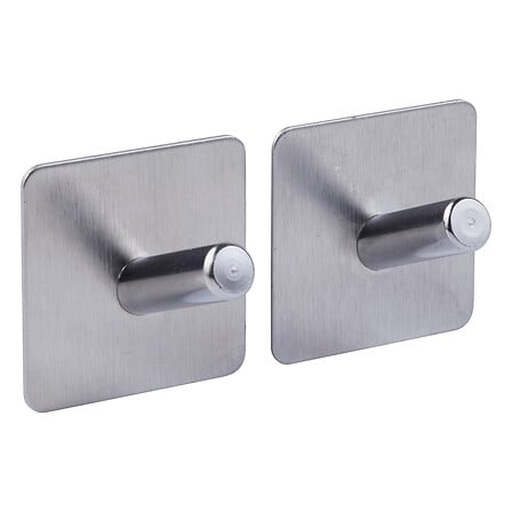
Why this product suits this profile: The two self-adhesive hooks are ideal for keys, lightweight towels or small accessories in the kitchen, bathroom or office.
The maximum load of 1.5 kg per hook is clearly stated, making it easier to judge whether they’re suitable than hooks with no stated capacity.
Tool-free installation with a 3M adhesive pad; measures 4.5 × 3.5 × 4.5 cm.
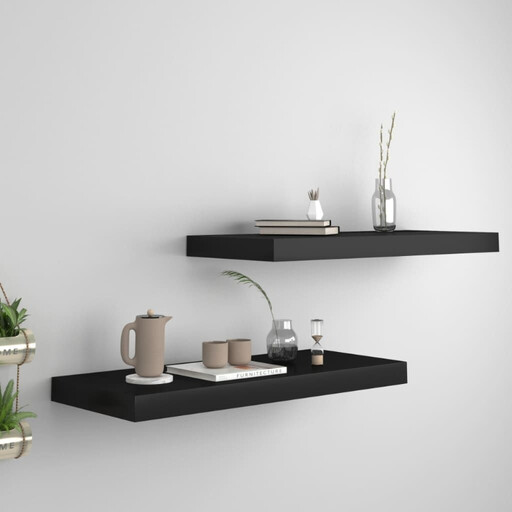
Why this product suits this profile: This two-piece set provides a clearly defined space for books, picture frames, collectibles or office supplies.
The 7 kg capacity per shelf is stated, so you can compare the planned load with the product details before installation.
Two shelves with hidden fixings; black MDF finish with an internal metal frame.
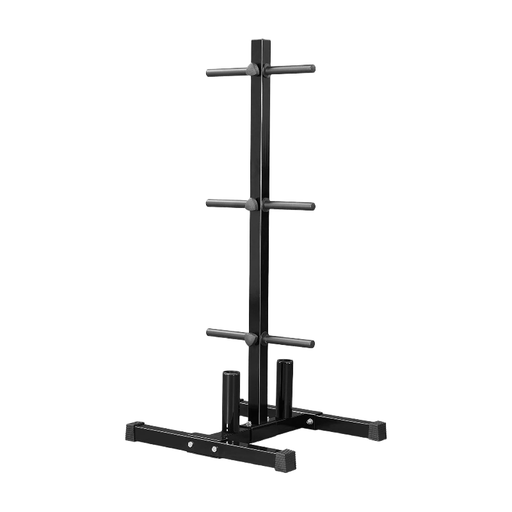
Why this product suits this profile: For a home gym with weight plates and barbells, its vertical design offers dedicated storage that saves space.
The stated maximum load of 400 kg and the six holders make the load limit clear. Heavier plates should go on the lower supports.
Powder-coated metal; six plate holders with a diameter of 28 mm and two vertical barbell holders with a diameter of 60 mm.
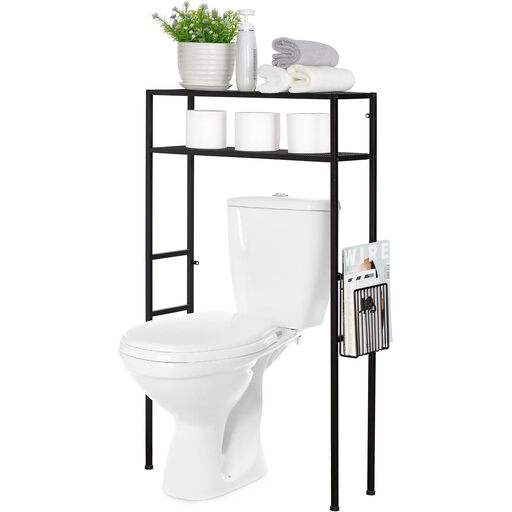
Why this product suits this profile: This freestanding bathroom shelf makes use of the space above the toilet, with two shelves for towels, toilet paper and toiletries.
As it’s freestanding, there’s no need to drill into the wall. Before assembly, though, check the height and width, along with the clearance around the toilet cistern.
Two tiers; matt, powder-coated metal finish and an integrated magazine basket.
We’ve put together a complete, regularly updated list of products that fully meet these strict selection criteria and the safety regulations in force in the EU.
First, identify your wall type and choose suitable wall plugs and screws. Check the load capacity of both the brackets and the shelf. Plasterboard may require specialist cavity wall fixings. Where possible, place heavy items close to secure fixing points.
Lifespan depends on the material, load, moisture and installation. Distributing the weight evenly, checking the screws regularly and cleaning with a dry cloth can help keep your shelves in good condition. If you notice visible bending, rust or loose connections, remove the load and inspect the shelf.
Vertical options such as wall shelves, an over-toilet shelf or a compact weight plate rack make use of the room’s height. Before you buy, measure the available floor space, walkway width and the height you need to reach. For lightweight items, slim wall storage or adhesive hooks that don’t require drilling may also be enough.