
Lieferung heute & morgen

Qualitätsgarantie

Willkommens-Angebote freischalten: KOSTENLOSE Lieferung | Bis zu 80 % RABATT | Kostenlose 30-Tage-JoyPlus-Testphase
App herunterladen
Extra storage should help you stay organised without making a room feel cramped. When choosing storage shelving for the home, three common buying mistakes can lead to the wrong choice:
Before buying, it’s worth checking the dimensions, material, type of installation, weight limits and intended use. The selection below covers different solutions for the kitchen, living room, hallway, home office and wine storage.
Measure the depth and height as well as the width, and check the distance from doors, windows and worktops. A narrow shelf is suited to alcoves and small rooms, while a deeper model offers more storage for baskets, food containers or books.
For worktops and cupboards, a kitchen corner shelf can make use of space in a corner. It’s particularly handy for spice jars, pans or food storage containers. Also check whether skirting boards, taps or uneven floors might affect where you can position it.
A metal and wood wall shelf or an industrial-style bookcase often combines a metal frame with wood-effect or MDF shelves. This combination can complement modern and minimalist interiors. The key is to check whether the finish is suitable for the room where you plan to use it.
Dry rooms such as living rooms, bedrooms and home offices usually place fewer demands on moisture resistance. In kitchens and bathrooms, avoid splashes and persistently high humidity unless the manufacturer states that the product is suitable. A dry or slightly damp cloth is often enough for cleaning. Always follow the care instructions for the product.
The maximum weight capacity should suit how you plan to use the shelf, with weight distributed evenly. Heavy items should always go on the lower shelves. Anti-tip protection is particularly important for tall, narrow furniture. A tall ladder shelf should stand on a level surface and be secured to the wall according to the instructions.
The type of installation also affects your choice:
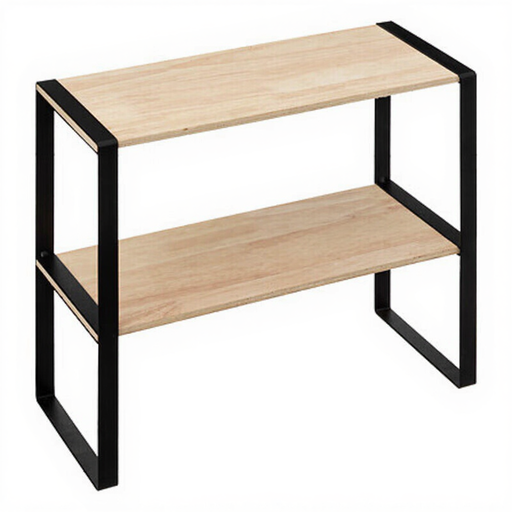
Why this product suits this profile: This compact, freestanding shelf is ideal when space is limited. Use it as a side table, bedside table or an extra shelf in your home office.
The stated dimensions and maximum total load of 10 kg give you a clear guide. Place heavier items on the lower shelf; if you have children or pets, use the anti-tip protection supplied.
Two shelves, a depth of 40 cm and a freestanding design. According to the product details, the surface can be cleaned with a dry cloth.
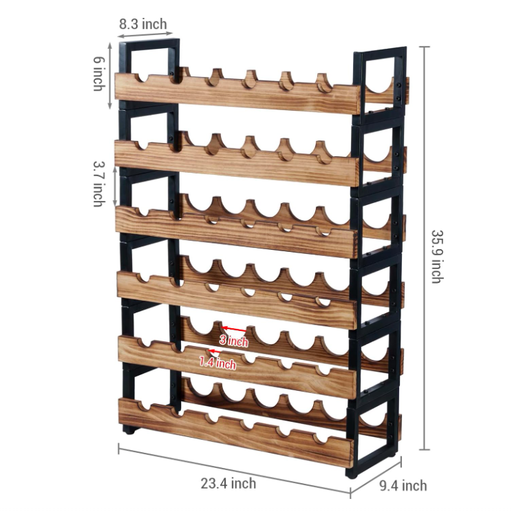
Why this product suits this profile: With six tiers and space for up to 36 bottles, this freestanding rack is a great option for wine lovers who need plenty of storage.
The capacity, dimensions of 59 x 24 x 91 cm and horizontal storage arrangement are clearly stated. This makes it easy to check that you have enough space and that your bottles will fit before buying.
Six tiers, a black metal frame and shelves made from charred solid wood. According to the product description, no assembly is required.
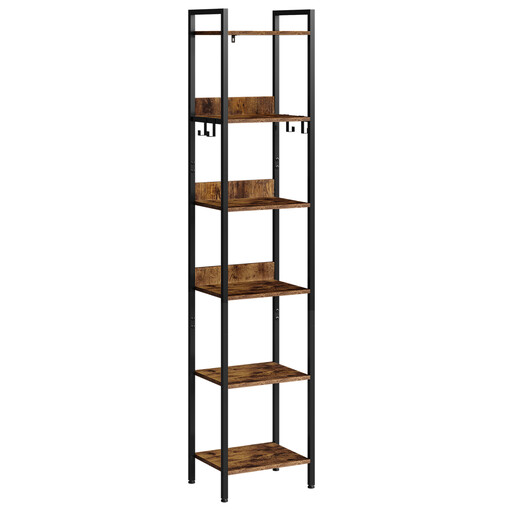
Why this product suits this profile: This tall ladder shelf is designed for households looking to store books, plants, kitchen utensils or towels across several levels.
The design includes anti-tip protection, adjustable feet and rear crossbars. Follow the assembly and weight limit instructions carefully; the stated maximum load is 10 kg.
Six open shelves, four movable and removable metal hooks, and a slim footprint of 40 x 30 cm with a height of 187 cm.
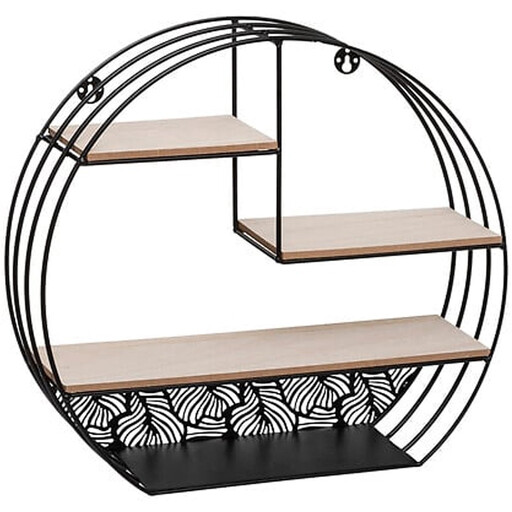
Why this product suits this profile: At around 39 x 10 x 36 cm, this wall shelf is a good fit for narrow spaces in the hallway, beside a desk or in the bedroom.
Its shallow depth takes up very little space. Before installing it, check that the wall, wall plugs and screws are suitable for the weight you plan to put on it.
Black metal, wooden shelves and several tiers for books, photo frames or decorations, with a compact depth of around 10 cm.
We’ve put together a complete, regularly updated list of products that meet these strict selection criteria and fully comply with the safety regulations in force in the EU.
For the kitchen, compact shelves, corner units or a kitchen shelf with two or three tiers are good options. Check the depth to make sure cupboard doors and worktops remain clear. Open shelving works well for books and decorations in the living room. A shelf for the living room and kitchen should be versatile enough for both spaces, while still being suitable for the weight it needs to hold.
In the hallway, a shallow depth is key. A wall shelf or narrow shelf makes use of the wall without taking up too much room in the walkway. In the bedroom, a small freestanding shelf can double as a bedside table. In the bathroom, pay particular attention to moisture and care instructions.
Place the shelf on a level surface, put heavier items on the lower shelves and use the anti-tip protection provided. Tall models such as ladder shelves should be secured to the wall according to the assembly instructions. Children should not climb or hang from the shelves.
Its lifespan depends on the material, weight load, installation and room conditions. Distributing weight evenly, cleaning with a dry cloth and protecting the surface from prolonged exposure to moisture can help keep it in good condition. Never exceed the stated weight limit.
Shallow models and corner shelves are often a good choice for small kitchens. Measure the available space, including doors, skirting boards and the work area. Make sure there’s also enough room between the shelves for the items you plan to store.