
Lieferung heute & morgen

Qualitätsgarantie

Willkommens-Angebote freischalten: KOSTENLOSE Lieferung | Bis zu 80 % RABATT | Kostenlose 30-Tage-JoyPlus-Testphase
App herunterladen
By the Joybuy Product Recommendation Officer
A lack of storage space for bikes, garden equipment, or tools is a common problem for many home and garden owners. A solid shed made of wood or metal is often expensive, complicated to assemble, and requires a permanent foundation. A storage tent offers a flexible and cost-effective alternative to keep valuable items safe and sheltered from the elements.
This article serves as a guide. We will objectively present various models and their features to help you make an informed decision for your specific needs. We analyse the crucial characteristics like material, size, and stability to make your choice easier.
Choosing the right model depends on your individual needs. The following three criteria are particularly important for making a well-founded decision.
The outer material is crucial for the tent's longevity and protective function. Most storage tents use tarps made of polyethylene (PE) or polyvinyl chloride (PVC).
Regardless of the material, sealed or welded seams are a must to prevent water from getting in. Good UV protection slows down material degradation from sun exposure.
Think carefully about what you want to store. Plan for enough space to ensure comfortable use.
A sturdy frame and secure anchoring are essential to protect the tent from wind and weather.
Based on the criteria mentioned, we have compiled a selection of products that cover different requirements—from compact storage to multifunctional use.

What makes it stand out This model was originally designed as a grow tent, but its compact, vertical design and robust material also make it an excellent space-saving storage tent. The powder-coated steel frame and Oxford fabric shell provide a stable and protected environment. The highly reflective inner coating and ventilation ports are features that can also be beneficial when storing sensitive items.
Pros:
Who it's for: Users looking for a very compact and vertical storage solution for smaller items, tools, or for overwintering plants on a balcony or patio.

What makes it stand out This weather-resistant bike garage is specifically designed to house up to four bicycles. With a lightweight aluminium frame and a robust PE cover, it offers reliable protection from rain, wind, and UV radiation. Practical details like integrated ventilation windows to prevent condensation and included hooks for organising accessories make it a well-thought-out solution for bike owners and garden enthusiasts.
Pros:
Who it's for: Bike and e-bike owners who need a spacious and well-ventilated motorcycle garage or equipment shed to keep their vehicles and garden tools safe and dry.
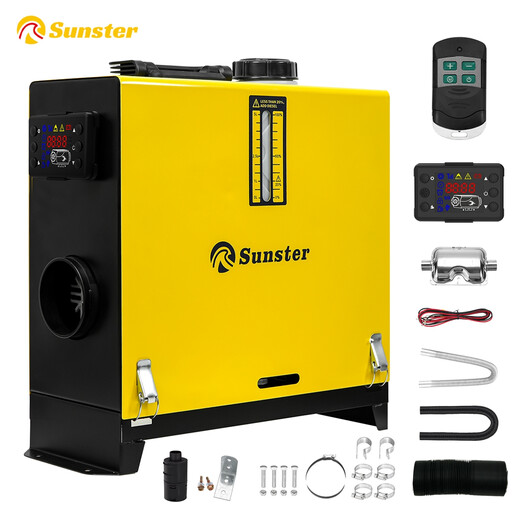
What makes it stand out This product is not a storage tent but a smart addition to make one usable all year round. The portable diesel heater with 8 kW of power can transform a storage tent into a heated workshop tent. With a remote control, LCD display, and low fuel consumption, it offers a flexible heating solution for cold days. Installation requires the exhaust pipe to be safely routed outside.
Pros:
Who it's for: DIY enthusiasts and hobbyists who want to use their storage tent as a workshop even in winter and need a reliable, mobile heat source.
The products presented cover specific use cases. If you are looking for other sizes, materials, or designs, you may find the right model in our broader selection.
? Discover more models in the Garage Tent category here
1. How do I make a storage tent winter-proof? To make a storage tent winter-proof, several steps are important. Choose a model with a robust, tear-resistant tarp (e.g., thick PE or PVC) and a sturdy steel frame. Ensure extremely secure anchoring with storm protection kits. Regularly clear snow loads from the roof to prevent collapse. An additional groundsheet protects against rising moisture. For use as a workspace in winter, an external heat source like a diesel heater can be installed, strictly adhering to safety regulations for exhaust ventilation.
2. What is the difference between a storage tent and a tool shed? The main difference lies in material and flexibility. A storage tent consists of a fabric or plastic-based tarp over a metal frame. It is mobile, easier to set up and take down, and generally does not require a permit (check local regulations). A tool shed is a permanent or semi-permanent structure made of wood, metal, or plastic. It is more robust and often offers better theft protection, but it is also more expensive and more complex to build.