
Lieferung heute & morgen

Qualitätsgarantie

Willkommens-Angebote freischalten: KOSTENLOSE Lieferung | Bis zu 80 % RABATT | Kostenlose 30-Tage-JoyPlus-Testphase
App herunterladen
Lack of storage space isn’t always the reason it’s hard to keep things tidy. Often, the storage solution simply isn’t right for the space. A storage shelf might be too deep for the hallway, a wall organiser may need a different type of fixing than you expected, or a kitchen shelf might not support the weight of food jars. If you focus only on colour and price before buying, you may not spot these limitations until it’s time to assemble the product.
When choosing storage shelves and organisers, there are three common issues to watch out for:
Measure the intended space in three places: width, depth and height. In an entrance hall, even a difference of a few centimetres can determine whether a shoe rack gets in the way of doors or walkways. For smaller homes, space-saving vertical storage or stackable shelving is often a good choice.
Also consider:
A narrow shelf with several levels makes use of the room’s height, while a low cube shelf can double as a display surface or room divider.
Looks and finish aren’t the only things to consider. The material, construction and load capacity of each shelf determine whether an organiser is suitable for lightweight accessories or heavier everyday items.
Laminated chipboard is commonly used for books, ornaments and smaller household items. Metal frames can provide extra stability, but they need to be assembled correctly and placed on a level surface. With a bookcase, distribute the weight evenly across the shelves. For a wine rack, consider the weight of the bottles, the glass holder and stability.
Look for specific information from the manufacturer rather than general claims such as “robust” or “sturdy”. If only a maximum total load is given, don’t assume that this applies to each individual shelf.
A freestanding shelf can be placed wherever you need it, but it must stand securely. Tall furniture should be secured against tipping, following the instructions. This is particularly important in homes with children or pets.
Moisture resistance is important in kitchens and bathrooms. Not all wood-based products are suitable for rooms that are constantly damp, so don’t let a bathroom organiser sit in standing water. A soft, slightly damp cloth is often enough to clean surfaces; abrasive cleaning products can damage the finish.
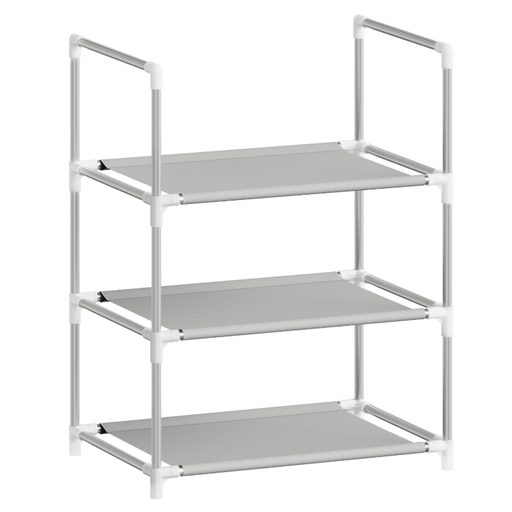
Why this product suits you: This compact shoe rack measures 41 × 28 × 55 cm and is designed for hallways, entrance halls or living rooms. According to the product description, it can be assembled using the push-fit system without tools.
The dimensions and maximum load of 5 kg per tier are clearly stated. A removable shelf makes room for taller shoes or boxes.
Three tiers, easy-to-clean materials and flexible use in the hallway or living area.
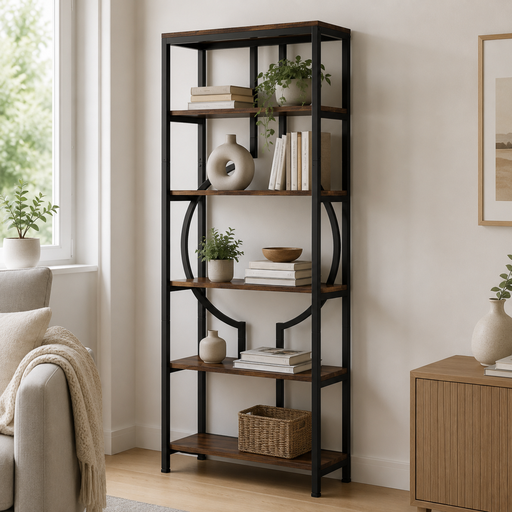
Why this product suits you: Standing 180 cm tall, this bookcase combines six open shelves with a powder-coated metal frame and laminated shelving.
The product details state a maximum total load of 100 kg. They also recommend distributing the weight evenly and placing the unit on a stable, level surface.
Six shelves, overall dimensions of 30 × 70 × 180 cm, and a scratch- and stain-resistant surface according to the product description.
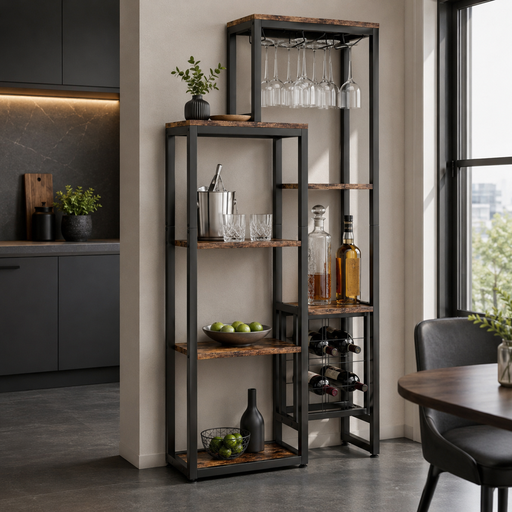
Why this product suits you: This wine rack is designed to store bottles and glasses, and can be used in the kitchen, dining area, bar or living room.
The storage capacity is clearly specified: space for up to 12 wine bottles, plus a glass holder for around 6 to 9 stemmed glasses. Adjustable feet help keep the rack stable on slightly uneven floors.
Five tiers, combined bottle and glass storage, and a construction made from MDF and metal.
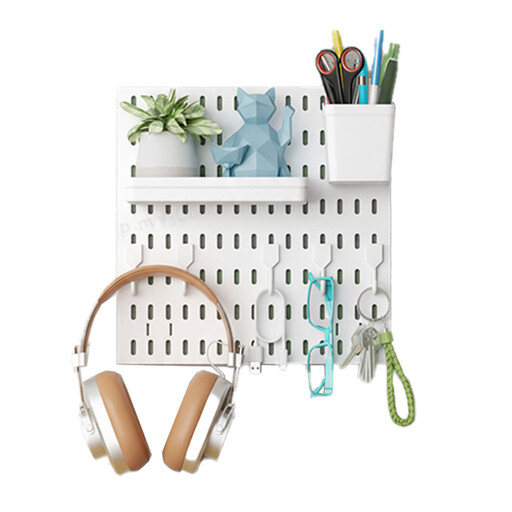
Why this product suits you: This square 30 × 30 cm pegboard set is ideal for small workspaces, rented homes or anywhere you need flexible wall storage.
The set includes a board, a storage cup, a medium shelf and five hooks. Before buying, check which types of wall surface the fixings are designed for.
Compact dimensions and a range of storage accessories for desk essentials, keys or small household items.
We’ve put together a complete, regularly updated list of products that meet these strict selection criteria and fully comply with the safety regulations in force in the EU.
Use only the type of fixing specified by the manufacturer, and check the wall material, wall plug type and screw length. Tall or heavily loaded shelves should be secured against tipping. If you live in a rented home, check whether you’re allowed to drill into the walls.
Its lifespan depends on the material, load, moisture and assembly. Distributing weight evenly, cleaning without excess water and keeping within the stated maximum load can help prevent common causes of wear. For a kitchen shelf or bathroom organiser, avoid contact with standing water.
A narrow shoe rack or vertical freestanding shelf can work well in a narrow hallway. In the kitchen or home office, stackable shelves can make use of otherwise wasted height. A wall organiser adds extra storage without taking up more floor space.