
Lieferung heute & morgen

Qualitätsgarantie

Willkommens-Angebote freischalten: KOSTENLOSE Lieferung | Bis zu 80 % RABATT | Kostenlose 30-Tage-JoyPlus-Testphase
App herunterladen
Finding the right family game sounds simple enough. In practice, unclear age recommendations, games that go on too long or unbalanced rules can quickly lead to a disappointing purchase. When choosing strategy games for the family, it’s not just the theme that matters. The key is finding a game whose mechanics, playing time and level of challenge suit your group.
This guide explains what families with children aged 6 and over, parents, grandparents and board game fans should look out for. The focus is on clear product information, not exaggerated marketing claims.
“Age 8+” doesn’t automatically mean that every child of that age will understand the rules without help. Some games require sustained concentration, reading skills or forward planning. When choosing board games for children and adults, parents should also check:
A game with simple core rules may also suit younger children, while a strategy game that appears family-friendly can quickly prove overwhelming.
A game for 2 to 5 players won’t necessarily be equally enjoyable with every group size. The dynamics of a two-player game can be very different from a game with five players. The actual playing time matters too: a game that takes around 45 minutes is better suited to a planned games night than a quick round after dinner.
Familiar characters, colourful packaging or a decorative board can all influence a buying decision. But for a game you’ll enjoy for years to come, clear rules, engaging interaction and sturdy components matter most. With card games for the family, it’s also worth checking whether the cards and box are easy to store, and whether the instructions are in German.
The recommended age is a useful starting point. For children’s games for ages 6 and over, simple rules, short turns and clear objectives are usually a good fit. From age 8, games often introduce tactical decisions, number sequences or several possible actions. Games for ages 10 and over may call for more long-term planning and complex co-operation.
Check the recommended player count too. If you regularly play with six people, look specifically for games for 2 to 6 players. In a two-person household, on the other hand, a compact two-player game may be a better choice than a large family game designed for a bigger group.
Games that take around 15 to 20 minutes are ideal for spontaneous rounds and travel. Games that take about 45 minutes, or have several chapters, are better suited to a regular family games night. With legacy or campaign games, check whether the components are permanently altered as you play. Stickers, opened envelopes or changed game boards can affect future games.
Check the safety warning if a game contains small stones, playing pieces or plastic parts. Many products are not suitable for children under 3 because they contain small parts that could be swallowed. This applies even when the recommended age for the game is much higher.
To help components last longer, store them in a dry place, use a suitable card insert and handle paper and cardboard carefully. If a game is made from bamboo or contains plastic parts, check its dimensions and weight if you plan to transport it often.
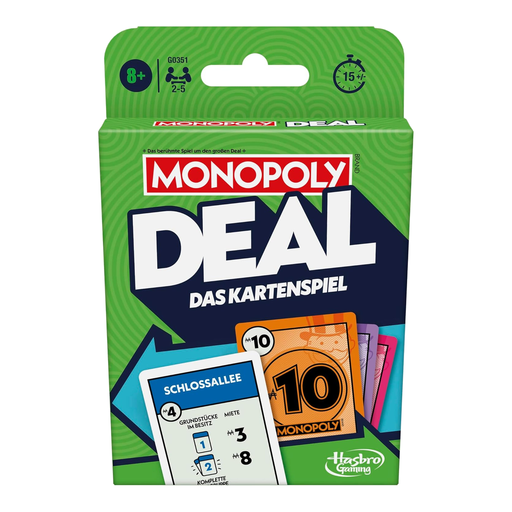
Why this product suits this type of player: This card game is designed for 2 to 5 players, is suitable for ages 8 and over, and takes around 15 minutes per round according to the product description. That makes it a good choice for quick games nights and for taking on the go.
The stated playing time and compact card format reduce the risk of buying a game that’s too involved for spontaneous rounds.
111 cards, German version, for 2 to 5 players, and no batteries required.
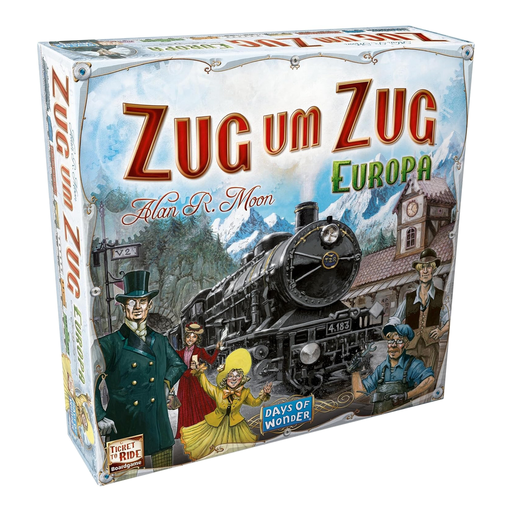
Why this product suits this type of player: This strategy game combines route planning with a European theme. It’s designed for 2 to 5 players aged 8 and over, and its playing time of around 45 minutes makes it a longer game that’s easy to plan for.
The details on player count, age, components and playing time make it easier to check whether it’s right for your planned games night.
Game board, cards, train pieces and stations; German-language version and 250 stated puzzle pieces.
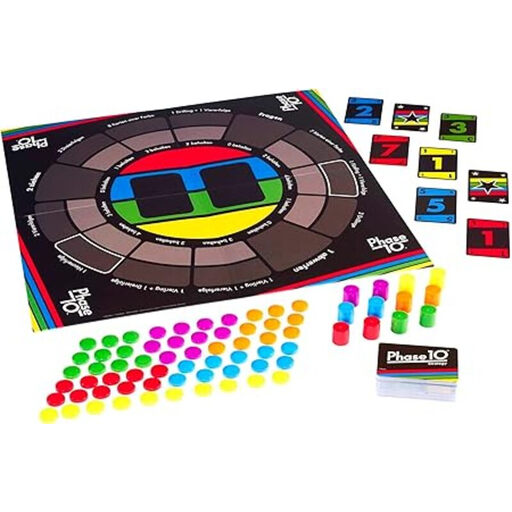
Why this product suits this type of player: This board game version combines card challenges with movement around the board. It’s listed for 2 to 6 players aged 7 and over, making it a good fit for family groups of varying sizes.
The ten different phases keep the challenges varied, rather than having every round follow the same pattern.
Game board, cards, phase markers and playing pieces; suitable for 2 to 6 players.
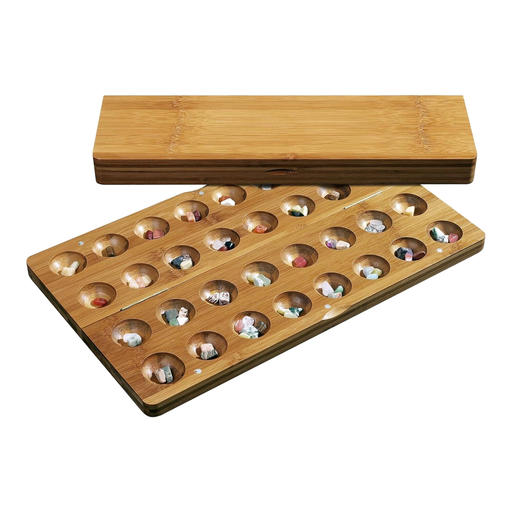
Why this product suits this type of player: This traditional strategy game is designed for two players, is recommended for ages 6 and over, and can be played without batteries or any set-up.
The clearly stated player count helps avoid buying it for a larger family group when it’s designed for just two players.
Bamboo game board, 64 natural stones, folds away for compact storage, and multilingual instructions.
We’ve put together a complete, regularly updated list of products that meet these strict selection criteria and fully comply with the safety regulations in force in the EU.
Games with a few simple rules and short decision-making turns are usually easier for children aged 6 and over to get to grips with. According to the product details, “Hus” is designed for two players aged 6 and over. With younger children, an adult should explain the instructions and take care around small parts that could be swallowed.
Card games that take around 15 to 20 minutes are ideal for spontaneous rounds. For a planned games night, board games that take around 45 minutes can work well too. The key is to take everyone’s attention span into account.
As gift ideas for families, games with a flexible player count, easy-to-follow instructions and a playing time you can plan around are a good choice. A card game is often compact and easy to take with you. A larger board game, on the other hand, offers more components and can be a good fit for regular family games nights.