
Lieferung heute & morgen

Qualitätsgarantie

Willkommens-Angebote freischalten: KOSTENLOSE Lieferung | Bis zu 80 % RABATT | Kostenlose 30-Tage-JoyPlus-Testphase
App herunterladen
The transition from a bottle to drinking independently is a major developmental milestone for toddlers. A straw trainer cup can make this process easier, but the market is vast, and not every product lives up to its promise. Many parents invest in cups that quickly prove to be impractical, difficult to clean, or prone to leaks. Before you make a decision, it's helpful to understand the most common pitfalls.
This guide focuses on the objective criteria that will help you choose a functional and safe cup for your child.
To avoid a bad purchase, you should focus on three core aspects that go beyond mere aesthetics. These features determine the safety, durability, and everyday practicality of a trainer cup.
Your child's health is the top priority. Therefore, always look for the BPA-free label. Bisphenol A (BPA) is a chemical compound found in some plastics, and its use in baby bottles is already regulated within the EU. A product labelled as a BPA-free toddler cup is typically made from materials like polypropylene (PP) or high-quality silicone. These materials are approved for food contact, robust, and do not leach unwanted substances into the liquid.
A truly leak-proof sippy cup for toddlers is essential for an active, on-the-go lifestyle. The technology behind this varies. Many models use an integrated valve in the straw that only opens when the child sips. An additional protective cap or a flip-top lid that covers the straw provides double protection and keeps the mouthpiece hygienic. Check if the spill-proof mechanism works even when the cup is shaken or turned upside down.
A child learns best with a product adapted to their motor skills. A straw bottle for ages 1 and up should therefore be lightweight and easy to grip. Cups with handles are an excellent choice here, as they give the child a secure hold. The straw itself should be made of a soft, flexible material like silicone to protect sensitive gums and emerging teeth. A slightly bent straw can also help to get every last drop of liquid without having to tilt the cup excessively.
Instead of making a one-size-fits-all recommendation, we have identified products tailored to the different needs and lifestyles of families in the UK.
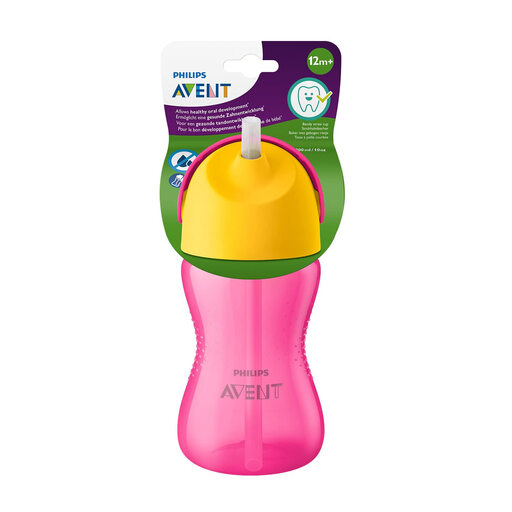
Why it's a great fit: This Philips Avent straw cup is specifically designed for first-time straw drinkers. The ergonomic handles are perfectly shaped for little hands, and the soft silicone straw is gentle on gums. The bent straw design ensures children can easily reach the liquid.
The cup consists of just a few, easy-to-disassemble parts, which simplifies thorough cleaning and minimises the risk of mould. The flip-top lid secures the straw and prevents leaks in your bag.
Its design promotes a natural drinking posture and supports the development of oral muscles. All parts are dishwasher-safe.
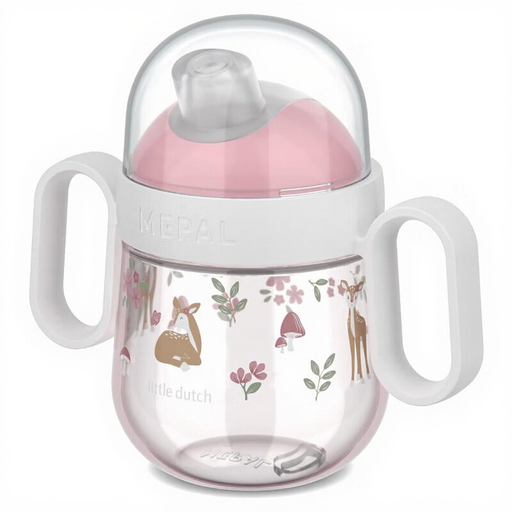
Why it's a great fit: This model is explicitly described as shock-resistant and leak-proof, making it a great choice for transport in a stroller or for the rough and tumble of the playground. The large handle provides a secure grip, even on the move.
The robust construction and reliable valve system directly address the trap of conditionally leak-proof cups. It's designed to withstand drops and careless handling without immediately leaking.
Shock-resistant build and a field-tested leak-proof system. The cup can also be fully disassembled and is dishwasher-safe.
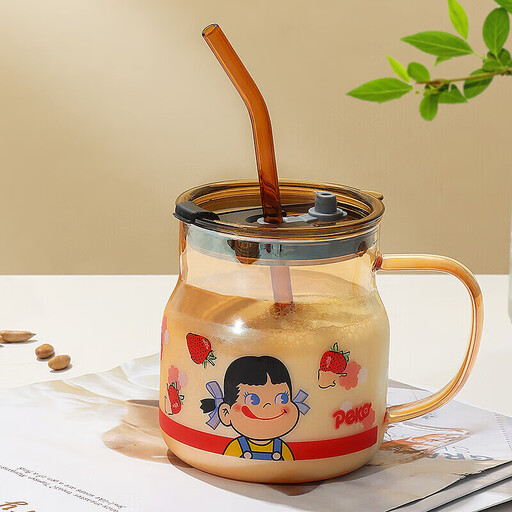
Why it's a great fit: For older toddlers who can already drink confidently but still need a lid to prevent major spills. The borosilicate glass material is hygienic, doesn't absorb odours, and has a more "grown-up" feel than plastic.
The simple construction of a glass cup, lid, and straw is extremely easy to clean. There are no hidden valves or corners where residue and mould can build up.
Large 500 ml capacity and suitable for both cold and warm drinks. The glass material is durable and an eco-friendly alternative to plastic.
We've compiled a complete, up-to-date list of products that fully meet these strict selection criteria and UK safety regulations.
A straw trainer cup is generally suitable for children from around 9 to 12 months, as soon as they can sit upright stably and independently. Drinking from a straw promotes oral motor skills and trains the muscles that are important for later speech development. It's a good intermediate step before drinking from an open cup.
Proper cleaning is crucial. After each use, disassemble the cup into all its individual parts—cup, lid, valve, and straw. Clean all parts with warm water and mild washing-up liquid. A special, thin cleaning brush is recommended for the straw. Allow all components to air dry completely before reassembling the cup. Many models are also dishwasher-safe, which simplifies cleaning.
The "BPA-free" label is an important safety feature. Within the EU, the use of Bisphenol A in baby bottles is prohibited by law. Manufacturers of baby products therefore switch to alternative plastics such as polypropylene (PP), Tritan, or silicone, which are considered safe for food contact. You can make a safe choice by opting for products from established brands and checking the product description for corresponding material specifications.