
Lieferung heute & morgen

Qualitätsgarantie

Willkommens-Angebote freischalten: KOSTENLOSE Lieferung | Bis zu 80 % RABATT | Kostenlose 30-Tage-JoyPlus-Testphase
App herunterladen
Navigating German cities calls for flexible, legally compliant mobility solutions. A street-legal e-scooter offers a practical way to shorten your daily commute or cover the "last mile" from the bus stop to your destination. However, the wide array of models and technical specifications can be overwhelming.
This article serves as your guide. We'll explain the most important criteria to consider before making a purchase and present a selection of models approved for road use in Germany. Our goal is to provide you with a solid foundation for making an informed decision.
Before you choose a model, there are several fundamental aspects to consider. These factors determine not only the everyday usability but also the legal compliance of your electric scooter.
The crucial factor for legal operation on public roads in Germany is the General Operating Permit (ABE), issued by the Federal Motor Transport Authority. An e-scooter with an ABE meets all legal requirements of the Small Electric Vehicle Ordinance (eKFV). These include:
After purchase, liability insurance is mandatory. Proof of insurance is displayed via a sticker on the scooter. A driver's licence is not required to ride, but the minimum age is 14.
The specified range is a key factor, but it's influenced by the rider's weight, inclines, and outside temperature. Consider the distances you travel daily.
For commuters who transport their foldable e-scooter on buses, trains, or in the boot of a car, weight and the folding mechanism are crucial. A lightweight e-scooter under 15 kg is much easier to handle than models weighing over 20 kg. Look for an intuitive and sturdy folding mechanism that allows for quick storage.
Here, we present three models that cater to the different needs of commuters and recreational riders. All models mentioned have the necessary road approval for Germany.
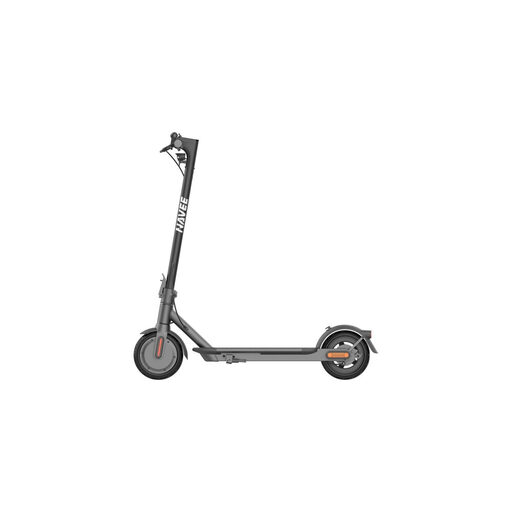
What Sets It Apart
The NAVEE E20 is designed for maximum portability and straightforward use in urban environments. Weighing just 14 kg and featuring a simple folding mechanism, it's an ideal companion for mixed-mode commutes. The maintenance-free hollow-chamber tyres and dual braking system provide a solid foundation for daily use.
Advantages
Who Is It For?
This street-legal electric scooter is an excellent choice for users looking for a very light and uncomplicated scooter for short to medium distances, especially if they need to carry it frequently, such as up stairs or on a train.
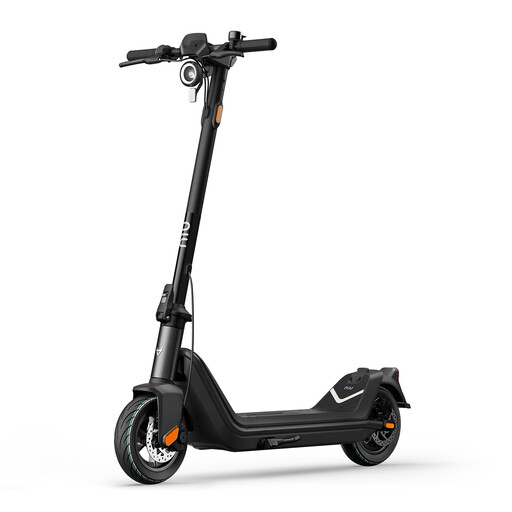
What Sets It Apart
The NIU KQi3 Pro is positioned as a comfort-focused e-scooter for adults with an impressive range. According to the manufacturer, it can travel up to 50 km on a single charge. Wide, tubeless pneumatic tyres, a broad deck, and wide handlebars ensure a stable and comfortable ride, even on longer journeys.
Advantages
Who Is It For?
Ideal for commuters with longer routes who value ride comfort, range, and premium features. Its heavier weight of 20.3 kg makes it less suitable for users who need to carry their scooter frequently.
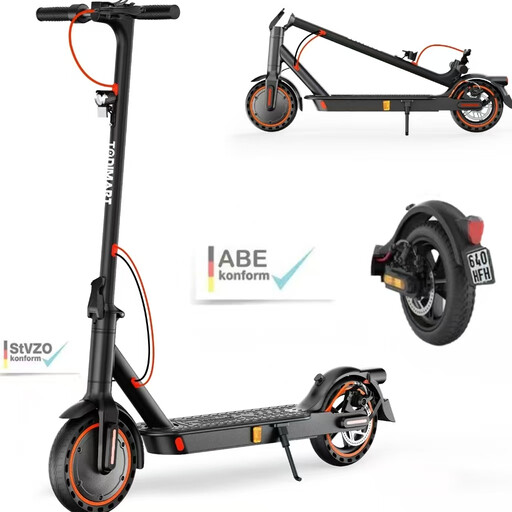
What Sets It Apart
The TODIMART T3-ABE is laser-focused on minimal weight. At just 11.2 kg, it is one of the lightest models on the market, making it extremely portable. Its 8.5-inch solid rubber tyres are puncture-proof, turning it into a very low-maintenance companion for the city.
Advantages
Who Is It For?
This scooter is the top choice for users whose highest priority is portability. Anyone who needs to carry their foldable e-scooter up several flights of stairs daily or take it on crowded public transport will benefit from its extremely low weight.
The selection presented here covers common user profiles. However, if you are looking for models with different specifications, such as those with suspension or in another price range, you can find more alternatives in our overview.
? Explore our full range of foldable electric commuter scooters
1. Do I need a driver's licence for a street-legal e-scooter? No, a driver's licence is not required in Germany to ride an e-scooter that complies with the eKFV. The legal minimum age is 14 years. However, insurance is mandatory.
2. What does the abbreviation ABE mean for an e-scooter? ABE stands for "Allgemeine Betriebserlaubnis" (General Operating Permit). This document is issued by the German Federal Motor Transport Authority (KBA) and confirms that the vehicle model meets the technical and safety requirements for operation on public roads in Germany. Without an ABE, an e-scooter may not be used in public traffic areas.
3. What are the running costs for a street-legal electric scooter? The ongoing costs are quite manageable. The largest expense is the legally required liability insurance, with annual premiums typically ranging from €20 to €40. Added to this are the electricity costs for charging the battery, which are very low compared to the fuel costs of a car or public transport tickets.