
Lieferung heute & morgen

Qualitätsgarantie

Willkommens-Angebote freischalten: KOSTENLOSE Lieferung | Bis zu 80 % RABATT | Kostenlose 30-Tage-JoyPlus-Testphase
App herunterladen
A sudden downpour during a walk is not uncommon in many parts of the world. A reliable rain cover for your stroller is therefore not a luxury, but a necessity to keep your child dry and protected. However, the market is saturated, and many products don't live up to their promises. Before you make a decision, you should be aware of the typical pitfalls that often only become apparent after the purchase.
Three common problems with low-quality rain covers are:
To avoid a bad purchase, you should focus on objective criteria rather than marketing promises. Three factors are crucial for a durable and safe weather shield for your stroller.
The material is the core component of any rain cover. Look for products made from PEVA (polyethylene vinyl acetate) film. Unlike older PVC films, PEVA is generally free of plasticisers (phthalates) and other potentially harmful substances. It is also more flexible in cold weather and more resistant to tearing. A clear label like "phthalate-free" or "PVC-free" is an important quality indicator.
The right fit determines the effectiveness of the protection. There are generally three types:
Practical details make all the difference in everyday use. A rain cover with a window or a large zippered opening allows you to comfort your child or hand them something without having to remove the entire stroller rain cover. Sufficient ventilation openings, often protected by small mesh panels, ensure a constant supply of fresh air and prevent the cover from fogging up. Reflective strips also increase visibility and safety at dusk.
Based on these objective criteria, we have identified several products that offer a well-designed solution for specific user profiles.
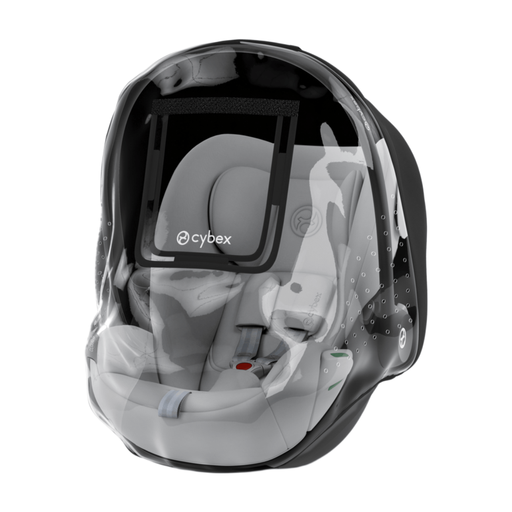
Why This Fits Their Persona: Ideal for short trips and quick transfers between the car and the stroller frame. This rain cover is specifically designed for CYBEX Aton and Cloud infant car seats, offering a perfect fit.
The brand-specific design prevents the slipping and gapping that often occur with universal covers on infant car seats.
Features a window opening for ventilation and easy access. The transparent, PVC-free material (according to the manufacturer) allows for a clear view.
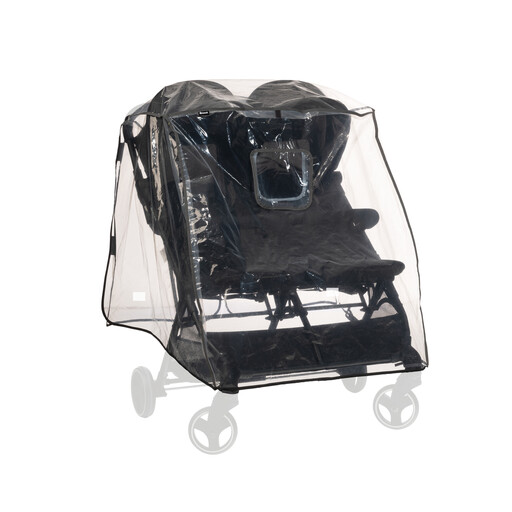
Why This Fits Their Persona: Designed for parents using a twin or sibling stroller with side-by-side seats. The extra-wide construction ensures both children are fully protected.
Solves the fit problem, as standard covers are too narrow for double strollers. Strategically placed ventilation openings counteract heat buildup.
Made from toxin-free PEVA film. Reflective edges increase visibility. Easy to attach with an elastic band and Velcro fasteners.
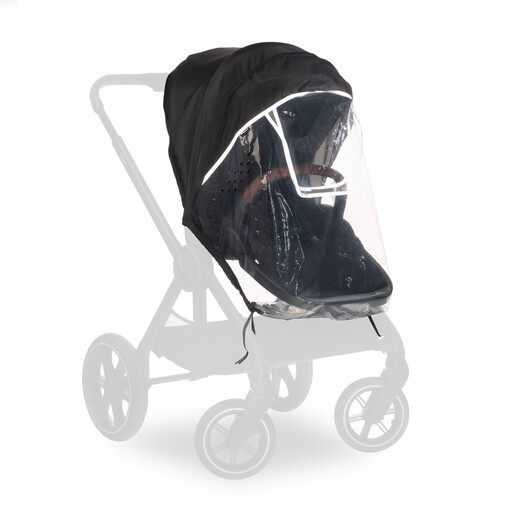
Why This Fits Their Persona: A versatile solution for parents who use a standard buggy or sport stroller seat and are looking for a functional, reliable cover for daily use.
The openable viewing window ensures good air circulation and direct contact with the child, counteracting the problem of poor ventilation.
The 360° reflective trim enhances safety in the dark. The drawstring and Velcro fastening system ensures a secure hold, even in windy conditions.
We've compiled a complete, up-to-date list of products that fully meet these strict selection criteria and local safety standards.
Most rain covers should only be wiped with a damp cloth and, if necessary, mild soapy water. Do not use harsh cleaning agents or abrasive sponges, as these can damage the material. After cleaning and after every use in the rain, allow the cover to air-dry completely before folding it up. This prevents mould growth and the material from becoming brittle.
A universal rain cover is a good and flexible option for many common models. However, before buying, measure your stroller's dimensions (especially the height, width, and depth of the canopy and the seat or bassinet unit) and compare them with the rain cover's specifications. For models with a special design, such as 3-wheel joggers or certain designs from brands like Cybex, a brand-specific rain shield for the stroller often provides a better and more secure fit.
You should replace a rain cover as soon as it shows tears, holes, or brittle spots. Even minor damage can compromise its waterproofness and can tear further in the wind. If the film becomes heavily yellowed or cloudy and restricts visibility, a replacement is also advisable for safety reasons. Check the material regularly, especially at the seams and fold lines.