For comparisons at a quiet desk, open-back wired studio headphones are a sensible starting point, provided sound leakage won’t be a problem. If you’re recording with a microphone at the same time or need isolation, closed-back headphones may be a better fit. For a numerical level match, you’ll also need a suitable loudness measurement: EBU R 128 describes measurement parameters for specific applications, but doesn’t set a universal target for every home recording. Also check that the headphone output, connection and fit are right for the specific model.
Who should think carefully about this choice?
People comparing recordings at a quiet desk
If you want to judge the differences between recordings at a controlled playback volume, you’ll need suitable headphones and a separate loudness measurement for a numerical level match. The European Broadcasting Union describes the relevant measurement parameters in EBU R 128.
People recording and listening back in the same place
If a microphone is running while you listen, how much sound your headphones let out could be an important factor in your choice. Closed-back headphones can help limit sound leakage in this situation.
People with long listening sessions and an existing audio interface
For longer sessions, comfort and the availability of replacement parts matter. Also check that the specific headphones work well with the connection and output on your computer or audio interface.
What should you look for when buying?
| Buying consideration |
What to check before buying |
Who is it important to? |
| Level matching |
Make sure you have a suitable loudness measurement and keep your playback settings consistent. |
If I want to compare recordings at a similar loudness, I need a measurement as well as headphones. Around 33% of consumers say reliable level matching is their most important buying consideration. |
| Sound quality |
Assess the sound signature of the specific model using recordings you know well; don’t assume that a particular design means a neutral sound. |
If I want to assess differences in balance and detail, I pay attention to the sound signature of the specific model. Around 27% of consumers put sound quality first. |
| Connection and power |
Check that the plug, adaptor, sensitivity and output specifications are compatible with your existing device. |
If I want to keep using my computer or interface, the connection and available listening level need to be right. Around 20% of consumers put connection and power first. |
| Fit and replacement parts |
Check the clamping force and fit for yourself; compare replacement earpads and cables for the exact model version. |
For long sessions, I want a comfortable fit and the option to buy suitable replacement parts. Around 13% of consumers prioritise long-term comfort and maintainability. |
| Isolation |
For microphone recording, check a closed-back model and how well the earpads fit. |
If I’m recording at a quiet desk or don’t want to disturb anyone, low sound leakage matters. Around 7% of consumers put isolation and sound leakage first. |
Common buying mistakes
-
Assuming “studio” means there’s a built-in level meter
Headphones play sound, but they don’t measure programme loudness. For a reliable comparison, you’ll need a suitable measurement and consistent playback settings when you listen back.
Before choosing a model, decide how you’ll measure loudness and keep playback levels consistent.
Depending on your workflow, you may also need a suitable measurement tool.
-
Assuming closed-back means neutral, or open-back is always right for you
Closed-back headphones can help limit sound leakage during microphone recording, but their design alone tells you nothing about their sound signature. Open-back headphones aren’t automatically right for every listening environment either.
Choose based on where you’ll listen and whether you’ll be recording, then assess the specific model’s sound signature using material you know well.
-
Assuming the impedance rating alone tells you the headphones will be loud enough
Whether your existing computer or interface can drive the headphones to the level you need also depends on sensitivity, the source material and the output. Focusrite highlights these factors alongside impedance.
Check the specific headphone model against the output you have before making a decision.
If your existing setup isn’t suitable, extra equipment could mean additional costs.
Key brands to consider
beyerdynamic
The manufacturer offers the open-back DT 900 PRO X for listening and mixing, and the closed-back DT 700 PRO X for recording and monitoring.
- The manufacturer lists 48 ohms, detachable cables and available replacement parts for both models.
- HIFI.DE notes boosted bass on the DT 700 PRO X. A manufacturer’s description of a sound signature isn’t independent proof of neutrality.
Sennheiser
The manufacturer describes the open-back HD 560S as a model for analytical listening and A/B comparisons.
- The manufacturer’s specifications list an open-back design and 120 ohms.
- Check that the output, available listening level and fit are right for your specific device. Its suitability for A/B comparisons is the manufacturer’s description.
Audio-Technica
The manufacturer places the open-back ATH-R70x in its professional reference headphone range.
- Audio-Technica lists a weight of 210 g without the cable and a detachable cable at both ends.
- At 470 ohms, the specific headphone output is particularly important. The stated weight doesn’t guarantee personal comfort.
AKG
AKG describes the open-back K702 as an over-ear model for critical listening, mixing and mastering.
- The product page lists 62 ohms, a replaceable mini-XLR cable and replaceable earpads.
- When buying in Germany, check what’s included and which version the specific listing covers.
Neumann
Neumann offers the open-back NDH 30 for editing, mixing and mastering.
- The manufacturer describes the model as a reference headphone for these types of work.
- Neumann’s claims about linear sound and precise imaging aren’t independent proof that it outperforms other models. Open-back headphones don’t replace loudness measurement either.
Joybuy products
Closed-back over-ear headphones with wired listening described as an option for your desk setup.
 No image available
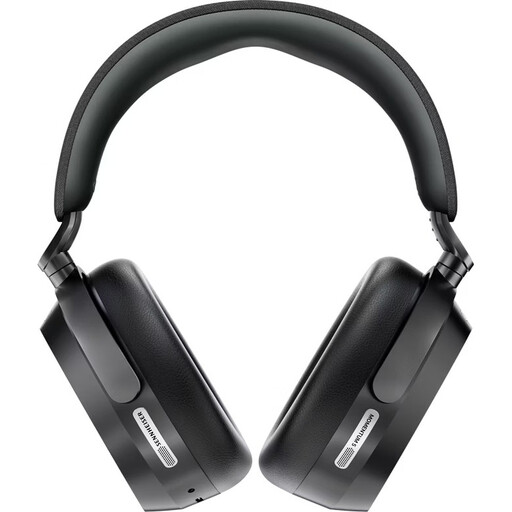
Sennheiser Momentum 5 Wireless, over-ear, black
The closed-back design and audio cable mentioned in the description could suit a desk listening setup. Before buying, check whether the cable is included with the specific version on offer.
Bluetooth 5.4, active noise cancellation, Dolby Atmos, eight microphones and up to 57 hours of battery life; the battery is described as replaceable.
View at Joybuy
 No image available
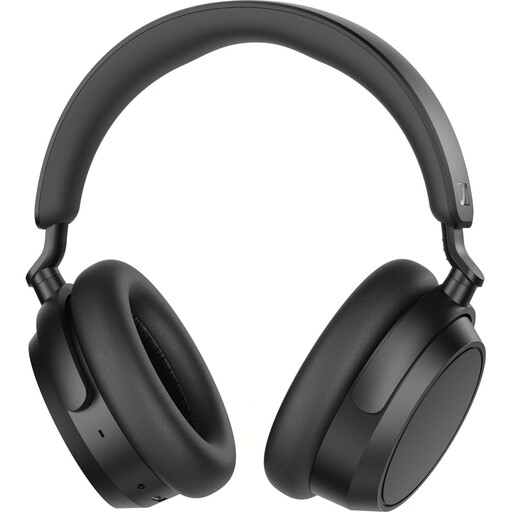
Sennheiser Accentum Plus Wireless, over-ear, black
The closed-back design and detachable cable make these a possible option for wired listening at your desk. Before making sound comparisons, assess the sound signature using material you know well.
Bluetooth 5.2 with aptX and multipoint, up to 50 hours of battery life, fast charging and a built-in microphone.
View at Joybuy
Frequently asked questions
Can I reliably match recording levels using studio headphones alone?
No, not numerically. EBU R 128 describes measurement parameters for defined programme loudness measurements. Use a suitable measurement for your application, then listen with the same playback settings. The EBU reference value isn’t automatically the right target for every recording.
What should I check on my audio interface before comparing headphones?
Check that the plug and adaptor for the specific model match the socket, and check the available level at the specific output. According to Focusrite, headphone sensitivity, source material and listening environment also affect the result, alongside impedance.
What matters for long listening sessions and worn earpads?
Avoid listening unnecessarily loudly and take breaks; the World Health Organization points to the link between volume and the duration of sound exposure. Check that replacement earpads are available for the specific model version. The manufacturer lists them for the DT 900 PRO X.
What returns rules apply when buying headphones in Germany?
Consumers generally have a statutory right to cancel distance contracts. Section 355 of the German Civil Code (BGB) sets out a 14-day period; check when the period starts and whether any exceptions apply to your specific contract.


