What should you consider when buying?
First compare playback using your own recordings, then consider how to deal with cabin noise, followed by fit, connection and power supply. The WHO recommends well-fitting headphones, with noise cancellation where appropriate, so you don’t have to turn up the volume to compensate for a noisy environment.
| Buying priority | What should you look for? | Who is it most relevant to? |
|---|
| Assessing chords |
Listen to familiar parts of songs on your own playback device; check the design and specific model. |
If I want to pick out backing vocals repeatedly, I need to be able to assess the playback with my own recording; around 29% of consumers put assessing chords first. |
| Reducing cabin noise |
Check the fit and seal; don’t confuse passive isolation with ANC. |
If cabin noise might tempt me to turn up the volume, reducing noise matters more to me than a purely wired studio set-up; around 29% of consumers prioritise this. |
| Comfort over longer periods |
Assess the fit and ear pads; if possible, try them on for longer listening sessions. |
If I want to wear my headphones for hours, they need to stay comfortable for me; around 24% of consumers mainly focus on long-wearing comfort. |
| Connection and power |
Match the plug to your playback device’s output or the seat connection; if using Bluetooth, check the airline’s rules. |
If I want to stay reliably connected to my audio source during the flight, the connection and operating mode need to be suitable; around 18% of consumers put connection and operation first. |
Joybuy models for noisy listening environments
The following Joybuy models with active noise cancellation suit a travel listening situation where cabin noise is a key consideration. They aren’t automatically a substitute for wired studio headphones, so check whether the sound, connection and operating mode suit your playback device and listening habits.
 No image available
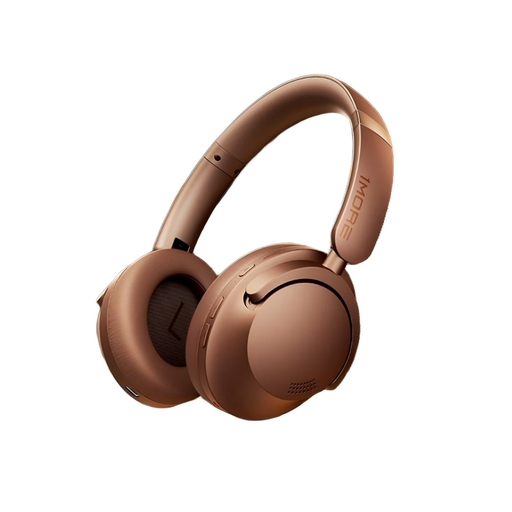
1MOREHQ51 SonoFlowPro Global Mocha Brown
An option if you prefer active noise cancellation to purely passive isolation when travelling.
Joybuy
 No image available
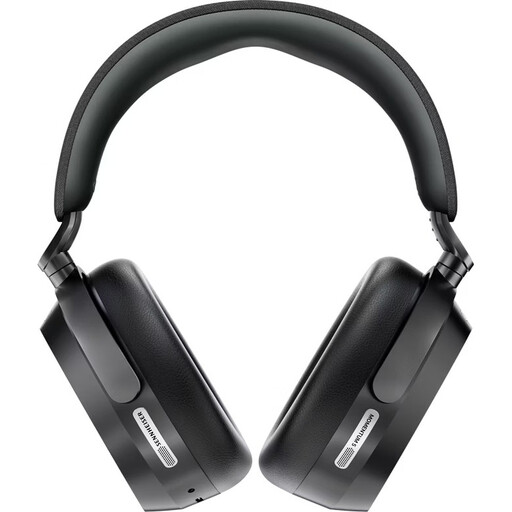
Sennheiser Momentum 5 Wireless
An ANC option for listening to music repeatedly in a noisy environment; check whether wireless or wired operation suits your audio source.
Closed-back design; Bluetooth 5.4; up to 57 hours of battery life; replaceable battery; black.
Joybuy
 No image available
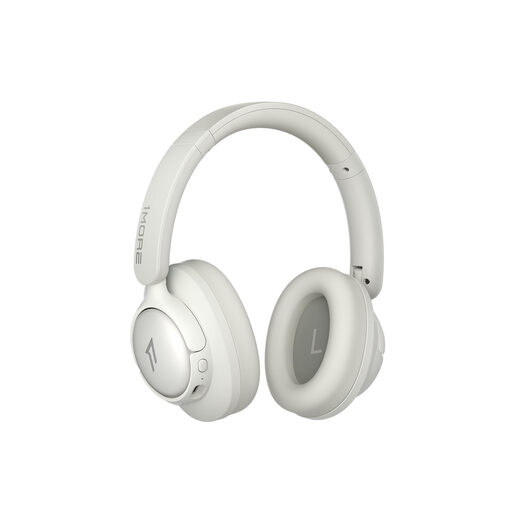
1MORE HQ31 SonoFlow SE, Oat White
A noise-cancelling option for travelling if you want to take cabin noise into account when listening repeatedly.
Bluetooth; up to 90 hours of playback according to the product name.
Joybuy
 No image available
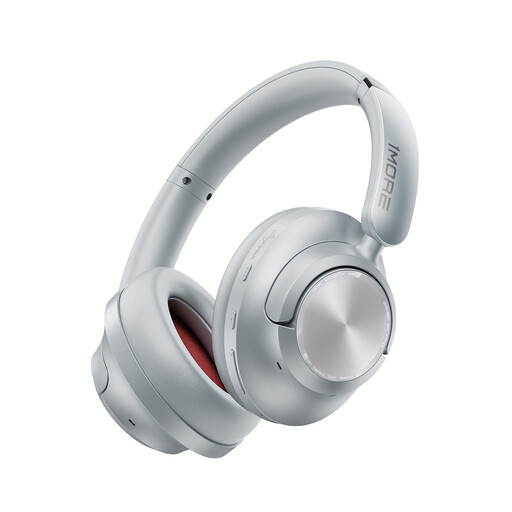
1MORE SonoFlow MAX (Upgraded HQ51) HQ60
An ANC option for longer listening sessions on the go if you want to include active noise cancellation in your selection.
Over-ear headphones; 50 dB ANC according to the product name; up to 105 hours of battery life according to the product name.
Joybuy
 No image available
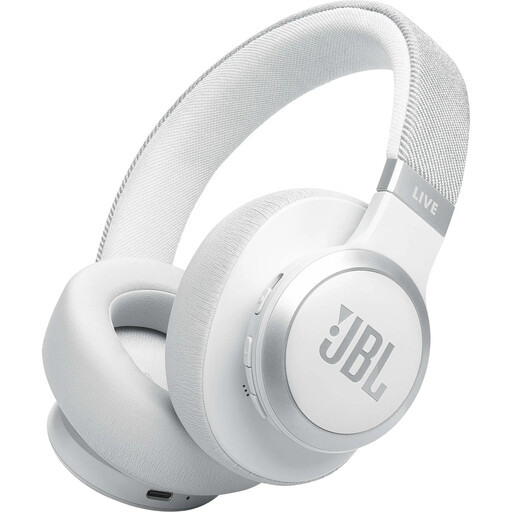
JBL LIVE 770NC, White
A wireless over-ear option with noise cancellation if you want to reduce distracting background noise while travelling.
With microphone; white.
Joybuy
Frequently asked questions
Do studio headphones identify chords automatically?
No. The model features mentioned relate to sound reproduction and isolation, not automatic chord recognition. Replay difficult sections and assess the recording using a model that suits you; frequency specifications don’t tell you how accurately chords can be identified.
How do I connect the headphones to my device or the in-flight entertainment?
Beforehand, check that your audio source’s output matches the cable and plug on the specific model. For in-flight entertainment, you’ll also need to check the connection at the seat you’ll actually be using; headphone specifications don’t indicate a universal seat connection.
How can I listen at a sensible volume on a long flight?
The WHO recommends listening at a moderate volume, taking listening breaks and using well-fitting headphones, with noise cancellation where appropriate, so you don’t need to turn up the volume to drown out background noise. This is listening advice, not a legal volume limit for flights.
Is Bluetooth allowed on every flight?
No, you can’t assume it’s allowed on every flight. The European Union Aviation Safety Agency (EASA) explains that airlines can decide whether electronic devices may be used following a safety assessment; follow the crew’s instructions and check the rules for your flight.
What should I know about packing headphones with a battery?
Check the current baggage rules of the airline operating your flight. Lufthansa’s baggage page prohibits passengers from carrying personal electronic devices and batteries that are defective, damaged or subject to a safety recall; this Lufthansa rule doesn’t automatically apply to every airline.


