What to look for when buying
Start with your room and how much sound the headphones let in or out. Then compare the sound profile with your archive material, and finally check the fit, connection and cable route at your height-adjustable desk.
| What matters |
What to check when buying |
Who it matters most to |
| Artefacts and sound profile |
Compare the same short sections before and after processing; don’t assume a pair is neutral based solely on its stated frequency range. |
If you’re mainly checking for remaining noise and newly introduced artefacts, listening to familiar material is key. About 33% of consumers put this check first. |
| Isolation at your workstation |
Check whether your room is quiet, and try the fit of the ear pads in your working environment. |
The design matters most if conversations or room noise get in the way of quiet passages, or you don’t want other people to hear what you’re listening to. About 27% of consumers prioritise isolation. |
| Fit during longer listening sessions |
Try the headband and ear pads for a realistic length of time; check that replacement pads are available for the exact model version. |
If you listen for extended periods while checking recordings, the fit needs to work for you; a manufacturer’s specifications can’t tell you how a model will feel. About 20% of consumers put long-term comfort first. |
| Connection and cable routing |
Measure the cable route with the desk at its maximum height, and check the plug, adaptor and supplied cable length. |
If you raise the desk, the cable shouldn’t pull tight or get in the way of moving parts. About 20% of consumers prioritise the connection and cable routing. |
Joybuy product options
You can compare these Joybuy headphone options with your standing-desk setup. The product names alone don’t prove that they have a neutral sound profile or are suitable for critical restoration checks.
 No image available
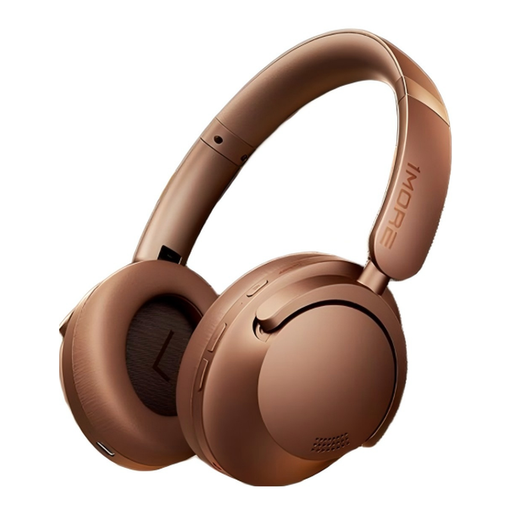
1MORE HQ51 SonoFlowPro Global, Mocha Brown
For archive checks, see whether you can assess quiet passages and processing artefacts on this exact model; compare it with material you know well.
Joybuy
 No image available
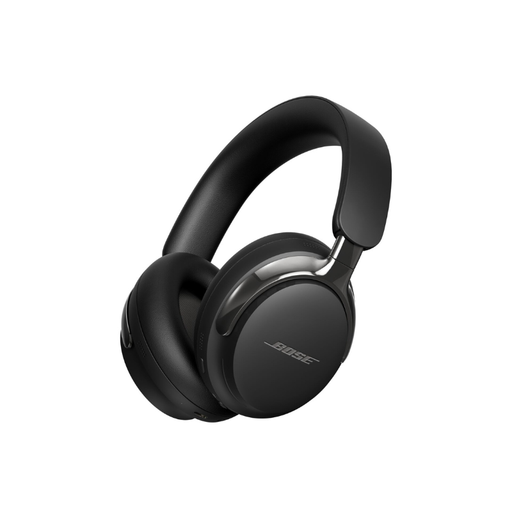
Bose QuietComfort Ultra 2nd Gen, Black
If you’re considering this model for restored archive recordings, check the fit and compare its sound profile with your own material; the model name alone doesn’t prove that it’s suitable for checking artefacts.
Joybuy
 No image available
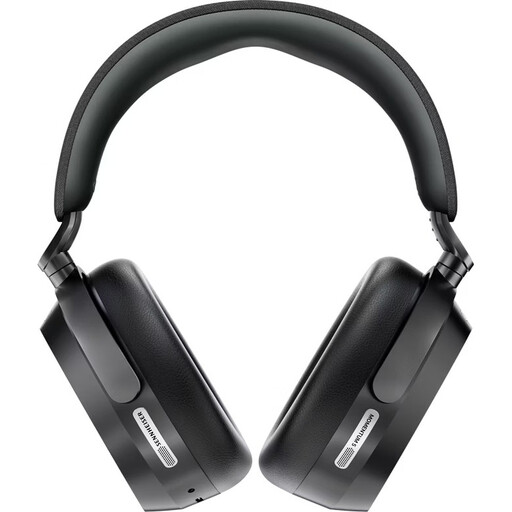
Sennheiser Momentum 5 Wireless Over-Ear, Black
For longer checking sessions, assess the fit and sound profile using your own material; the product name alone doesn’t prove that the sound is neutral.
The product name lists Active Noise Cancellation, 8 microphones, Dolby Atmos, Bluetooth 5.4, up to 57 hours of battery life, a replaceable battery and a closed-back design.
Joybuy
Frequently asked questions
How can I check whether restoration has introduced new noise?
Compare short sections before and after processing at a moderate volume. As well as listening for remaining noise and clicks, watch out for new artefacts; iZotope warns against overdoing restoration. Headphone specifications can’t replace listening back to the audio.
Should I choose open-back or closed-back headphones for checking archive recordings?
A well-fitting pair of closed-back headphones is a sensible starting point if background noise is distracting or other people might hear what you’re listening to. In a quiet room where sound leakage won’t be an issue, an open-back model may also be suitable; Shure explains that sound travels in and out through open-back earcups.
What should I check about the cable and connection at a height-adjustable desk?
Measure the cable route with the desk at the highest position you use, and check that the connection on your audio device matches the plug and adaptor. Manufacturers list, for example, detachable 1.8 m or 3 m cables for the DT 700 PRO X and a 3.0 m cable for the Yamaha HPH-MT5; check the exact version in each case.
How can I check the ear pads for longer listening sessions?
Try the headband and ear pads for a realistic length of time, and check the care instructions and replacement parts for the exact model. Sennheiser lists washable, replaceable ear pads for the HD 490 PRO and replaceable pads for the HD 280 PRO; this doesn’t mean all studio headphone pads are washable.
How loud should I listen to archive recordings for longer periods?
Keep the volume moderate, and don’t simply turn it up to cover background noise. The German Environment Agency warns that high sound exposure can damage your hearing, depending on its intensity and duration; this doesn’t tell you a universally safe volume setting for devices you don’t know.


