Bass transcribers distracted in the office
If conversations or other noises interrupt you while you listen back repeatedly, pay particular attention to the fit and how much sound escapes.


Closed-back, wired studio headphones that fit well are a sensible starting point if you want to listen back to a bass line repeatedly in a busy office. Use your own recording to check whether you can distinguish individual notes at a comfortable volume: boosted bass is no reliable substitute. Greater isolation may mean a tighter fit, so make sure the connector and cable length also suit your workspace.
If conversations or other noises interrupt you while you listen back repeatedly, pay particular attention to the fit and how much sound escapes.
You want to distinguish pitches and attacks in your recording, so check the playback using familiar audio rather than relying on a promise of powerful bass.
If you wear headphones for extended periods, you’ll need to balance isolation and a secure fit against clamping pressure, pad comfort and a suitable cable length.
First check whether the headphones provide enough isolation at your workplace. Then make sure you can listen to the bass line comfortably and that the connection is right for your setup.
| Consideration | What to check before buying | Who it matters most to |
|---|---|---|
| Isolation in the office | Closed-back design and how the pads fit your head; check how well they reduce distracting noise at a comfortable volume. | If conversations interrupt me while I listen back repeatedly, a good seal is my priority. Around 36% of consumers say office isolation is their main concern. |
| Judging bass notes in a mix | Compare a familiar section of your own recording at a steady, moderate volume. | If I need to pick out individual notes and attacks, how clearly they stand out in my recording matters more than especially powerful bass. Around 29% of consumers put being able to assess a bass line first. |
| Comfort when listening repeatedly | Check the fit over a realistic listening session and whether replacement pads are available for the exact model. | If I’m working on longer sections, I need a fit that stays comfortable throughout the listening session. Around 21% of consumers place the greatest importance on long-term comfort. |
| Connection and maintenance | Check the audio output, any adapter required and cable length; look for replacement parts for the exact version if needed. | If I want to connect the headphones to a device I already own or replace a cable later, I check the exact model. Around 14% of consumers prioritise connectivity or maintenance. |
Boosted bass doesn’t automatically mean that neighbouring notes or attacks in your recording will remain easy to distinguish.
Listen to a familiar section yourself and, at a comfortable volume, check whether you can follow the sequence of notes reliably.
How well the headphones seal also depends on their fit and pads. Shure explicitly notes that pads and the seal affect its SRH range.
Try the fit with the noise in your workplace and only compare attenuation figures when they’re based on the same test conditions.
The beyerdynamic DT 770 PRO versions are designed for different source devices. Depending on the headphones and audio output, you may also need an adapter or a suitable replacement cable.
Check the exact model version against your computer or interface and your desk layout.
Closed-back DT 770 and DT 700 studio models differ in their connections and sound tuning, depending on the model and version.
Closed-back, wired ATH-M models are designed for monitoring; the ATH-M40x may be worth considering for checking a recording at your desk.
The closed-back HD 280 PRO combines monitoring with a foldable design and replaceable ear pads.
The closed-back, foldable K371 is a studio model with replaceable cables.
The closed-back SRH840A is described as a reference and monitoring model, with a detachable cable and replacement pads available.
This selection features over-ear headphones with ANC as an alternative to passive isolation. Shure’s general technical guidance says ANC is more effective against steady, low-frequency noise than speech or rapidly changing sounds; this isn’t a comparative test of these models. Also consider whether you need to hear announcements or warning signals at your workplace.
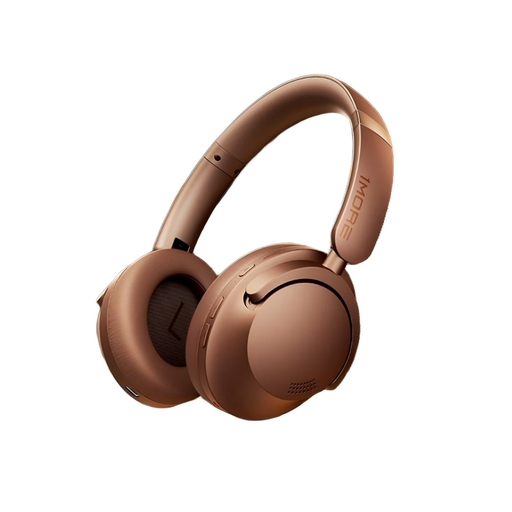 No image available
May suit you if you’d like to try ANC as an alternative to passive isolation.
The product description lists ANC and an over-ear design.
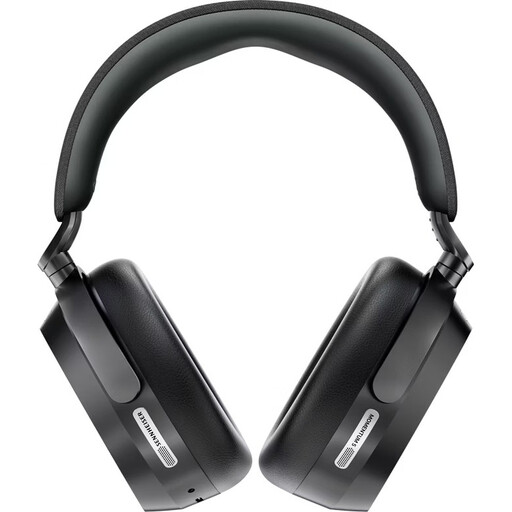 No image available
A possible alternative if you want to try ANC and also have the option of listening with a cable.
The product description lists ANC, Bluetooth 5.4 and a 3.5 mm audio connection.
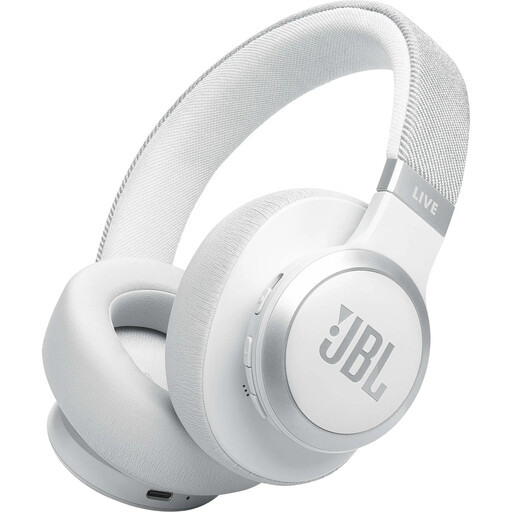 No image available
Could be worth considering if you want to try ANC and an over-ear design in the office.
The product description lists ANC and app-based EQ settings.
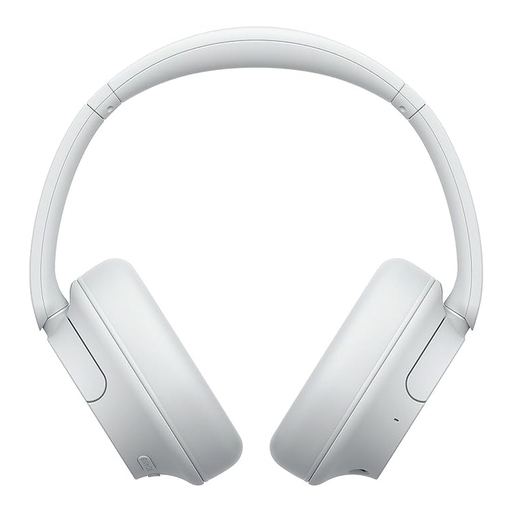 No image available
A possible ANC alternative if you’d like to try an over-ear design in the office.
The product description lists ANC and a 3.5 mm audio connection.
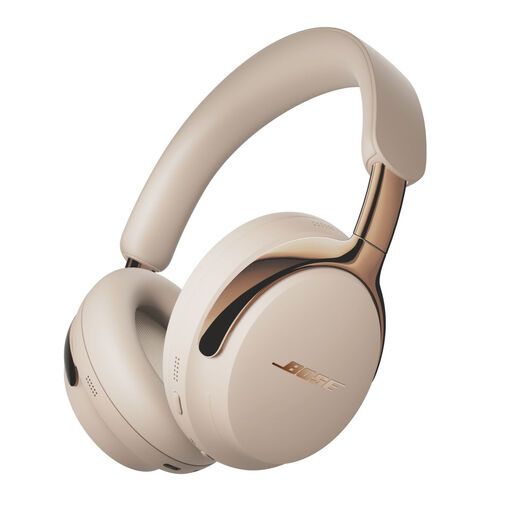 No image available
May suit you if you want to try ANC with the option of listening via a cable.
The product description lists ANC, EQ settings and an audio cable included in the box.
No. First check the fit and seal, then listen to the passage again at a comfortable volume. The German Federal Institute for Occupational Safety and Health warns that music played through headphones can reach levels that put your hearing at risk; it doesn’t specify a device setting guaranteed to be safe for your workplace.
Yes, suitable audio software can repeat short sections and change their timing. Ableton Live 12’s documentation describes, among other features, time-stretching without changing pitch. This is a software function, not a guaranteed feature of the headphones.
Check the replacement parts and care instructions for the exact model. For the SRH840A, Shure lists replacement pads and a replacement cable, and recommends cleaning with a soft, damp cloth rather than solvent-based cleaners. This specific care advice applies to this model.
For a qualifying online consumer purchase in Germany, you generally have a 14-day right to cancel from the day the goods are delivered; exceptions and possible return costs should be taken into account. If the goods are faulty, you also have a statutory legal guarantee against the seller for at least two years. The right to cancel and the legal guarantee are separate rights.