Practising among busy pitches
You want to hear a vocal part over background noise at a moderate volume, while disturbing others as little as possible.


When practising among other campers, a well-fitting, closed-back pair of studio headphones is a sensible place to start. Use them to compare the tricky section of your song at a moderate volume, rather than turning up the sound to drown out background noise. Then check your playback device’s connection, cable routing and fit. An open-back model is only worth considering somewhere genuinely quiet. Manufacturer claims about isolation are no substitute for trying the headphones with your own ears and recording.
You want to hear a vocal part over background noise at a moderate volume, while disturbing others as little as possible.
You’re learning the vocal part from a device you’ve brought with you, so you need a compatible headphone connection and practical cable routing.
You pack your headphones away regularly and want to weigh up the folding mechanism, cable and fit for practising the passage several times.
First, check that you can hear the vocal part you’re looking for clearly at a moderate volume. Then check the connection and cable routing, and make sure the headphones stay comfortable through repeated listens.
| What matters | What to check when buying | Who is it important to? |
|---|---|---|
| Background noise | Try closed-back headphones with a comfortable fit using a familiar passage at a moderate volume. | If I want to listen quietly on a busy pitch, a good fit matters more to me than simply turning up the volume. Around 33% of consumers rank isolation as their top priority. |
| Picking out harmony vocals | Compare the same tricky passage at a similar, moderate volume. Headphones can’t make a vocal part audible if it isn’t clear in the recording. | If I want to pick out a particular line repeatedly, comparing it with my own recording is what matters to me. Around 27% of consumers put picking out the vocal part they’re looking for first. |
| Connection and cable | Check the device output, plug, any adapter you need and the right cable length. | If I practise with a portable device, I want to connect my headphones without incompatible plugs or an awkward cable run. Around 20% of consumers prioritise a connection that works on the go. |
| Fit and portability | Check the fit for longer practice sessions, as well as the folding mechanism and cable on the specific model. | If I pack my headphones away often and practise a passage several times, comfort and easy storage are important to me. Around 20% of consumers put fit and portability first. |
The beyerdynamic DT 770 PRO is available in 32, 80 and 250 Ohm versions. The manufacturer recommends these variants for different types of device.
Check the exact version against your device’s output rather than assuming that every model in the range is suitable for portable use.
The figure quoted for the Sennheiser HD 280 PRO comes from the manufacturer. What you hear on the pitch also depends on how the ear pads fit and the surrounding noise.
Try your own passage at a moderate volume with the ear pads fitted properly.
The Audio-Technica ATH-M50x and ATH-M50xBT2 are different models with different connection technologies.
Check the full model name and connection, and, for the wireless version, its power requirements.
Headphones affect the sound you hear, not the volume of your singing voice to people around you. Quiet hours and usage rules can vary from one campsite to another.
Check the rules at your campsite and plan accordingly if you’ll be singing aloud.
The closed-back DT 770 PRO is available in different impedance versions. The DT 770 PRO X is a separate variant with a detachable mini-XLR cable.
The wired, closed-back ATH-M50x has a detachable cable. The ATH-M50xBT2 is a separate wireless version.
The closed-back K371 folds away and is supplied with three detachable cables, which may be useful for storage and cable routing.
The closed-back, foldable HD 280 PRO is wired and has a single-sided coiled cable.
The MDR-7506 is a wired option that you can compare with other models for its connection and wearing comfort.
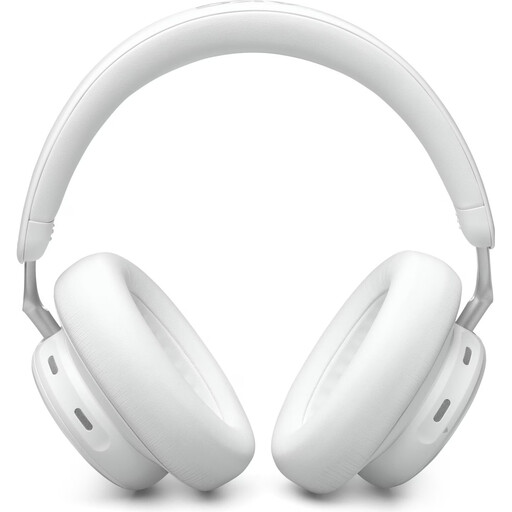
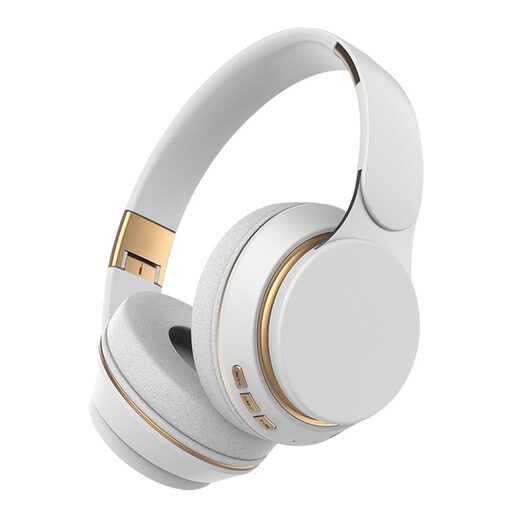
This selection features closed-back over-ear headphones for listening on the go, with details about folding design or connections included where available for each model.
 No image available
The closed-back design and ANC are useful for listening on a busy pitch; actual performance depends on the fit and surroundings.
Foldable; Bluetooth 5.3 and a 3.5 mm connection are specified. The manufacturer advises against using them in wet conditions.
 No image available
The closed-back design and stated passive noise reduction are useful for listening on the go; check the fit for yourself.
Foldable; the product description lists a wired 3.5 mm mode and Bluetooth 5.0.
Check your device’s audio output, the plug on the specific headphones and whether you need an adapter. beyerdynamic recommends the 32-Ohm version of the DT 770 PRO for mobile devices, but that doesn’t guarantee compatibility with every device combination.
The World Health Organization recommends keeping the volume low, taking listening breaks and using well-fitting headphones rather than turning up the sound to drown out external noise. Recommended sound levels refer to the actual level at your ear, not a particular position on the volume control.
Check the fit and condition of the ear pads, and make sure any replacements match the exact model version. AKG specifies replaceable ear pads for the K371; Sennheiser specifies them for the HD 280 PRO.
If goods are faulty, you can generally claim your statutory rights against the seller within two years of receiving them. Online purchases usually come with a 14-day right to cancel. The Verbraucherzentrale distinguishes between statutory consumer rights and a guarantee.
No. According to information from the European Union, CE marking is only required for products covered by relevant harmonised rules that call for it. The term ‘studio headphones’ alone doesn’t tell you which rules apply to a specific model.