What should you look for when buying?
Start with your noise levels and how much sound the headphones let in or out, then consider fit and cable routing. The design alone doesn’t guarantee an accurate listening judgement, so compare familiar sections of choral music with your own recordings.
Open-back studio headphones
A better fit if: you mainly assess voices, balance and ambience in a quiet room, and sound escaping from the headphones won’t disturb anyone.
The trade-off: Lower isolation may be an issue around conversations, background noise or a nearby microphone.
Closed-back studio headphones
A better fit if: noise at your desk makes quiet choral passages difficult to hear, or you need to monitor while recording.
The trade-off: Fit and earpads affect isolation; warmth or pressure may become an issue during extended wear.
Semi-open studio headphones
A better fit if: you can try out a compromise and your surroundings don’t require strong isolation or minimal sound leakage.
The trade-off: The label alone doesn’t tell you how much isolation a specific model offers or how much sound it lets out.
| Priority |
What to look for when buying |
Who is this important to? |
| Voices, balance and ambience |
Try familiar choral passages at a consistent, moderate volume; don’t treat manufacturers’ descriptions as measurements made on your own head. |
If I’m comparing how voices are balanced and how spacious a recording sounds, mainly in a quiet environment, sound assessment matters most to me. Around 33% of consumers put this first. |
| Background noise and sound leakage |
Try a closed-back design and check the fit of the earpads in your actual working environment; don’t assume a particular level of isolation from the product name alone. |
If conversations mask quiet choral passages or a microphone is recording nearby, I pay particular attention to isolation and low sound leakage. Around 25% of consumers prioritise this. |
| Long sessions and replaceable parts |
Try the fit for an extended period and check whether replacement earpads are available for that exact model. |
If I’m editing for long stretches, comfort and the option to replace parts that wear out matter to me. Around 25% of consumers prioritise comfort and replaceable parts. |
| Cable, connection and storage |
Check that the plug and any adapter are compatible with your output; plan the cable route and look for foldable earcups if space is limited. |
If I want to clear my desk after editing, storage, cable routing and connectivity are essential. Around 17% of consumers put these practical considerations first. |
Joybuy headphones at a glance
This selection includes over-ear models, including specifically closed-back options and models with a wired listening mode. For editing choir recordings, choose a design and connection that suit your listening position and working environment.
 No image available
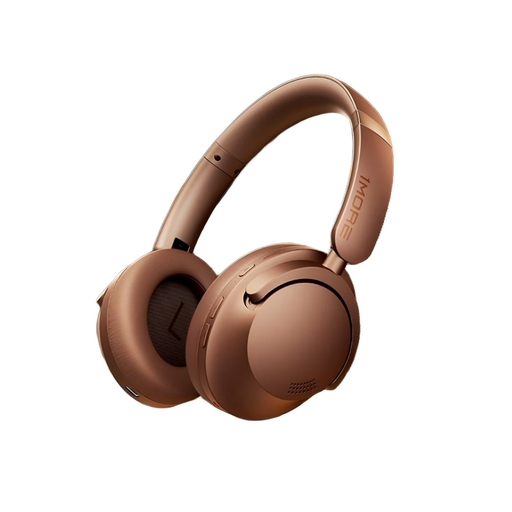
1MORE SonoFlowPro Global, Mocha Brown
The closed-back, over-ear design and memory foam earcups may be useful for longer sessions; try the fit for yourself.
The product description lists Bluetooth and active noise cancellation. If you want to monitor over a cable, check before buying whether this variant supports a suitable wired connection.
View at Joybuy
 No image available
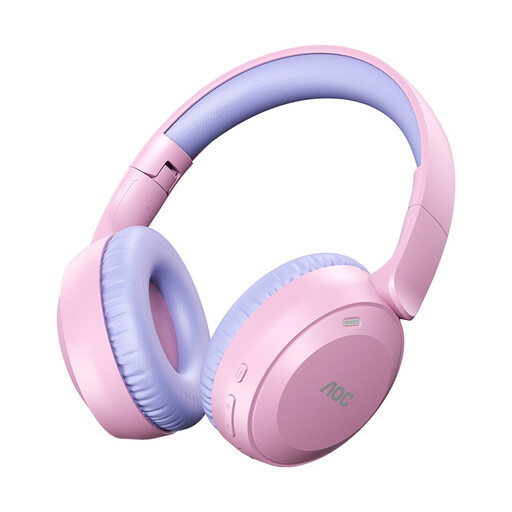
AOC ACH2611, Bluetooth 6.0, over-ear, 182 g
The foldable design and stated weight of 182 g may be useful if you’re short on workspace.
The product title lists Bluetooth 6.0, while the description mentions USB-C charging. Check that the connection suits your monitoring device and workflow.
View at Joybuy
 No image available
NAXSIR Wireless over-ear headphones, Bluetooth 5.0, white
The description lists a closed-back, foldable design and a wired mode, which may be useful at a compact editing workstation.
Bluetooth 5.0 and a wired mode with a 3.5 mm audio cable are listed. Check that the connection works with your particular monitoring device.
View at Joybuy
 No image available
Sennheiser Momentum 5 Wireless, white
The closed-back, over-ear design and wired listening option may be useful in a workspace with background noise.
The description lists an audio cable for wired listening, swivelling earcups and a replaceable battery. Check that the connection and cable routing suit your set-up.
View at Joybuy
 No image available
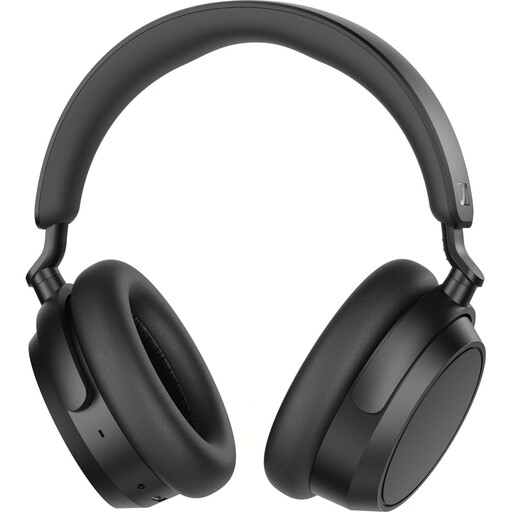
Sennheiser Accentum Plus Wireless, black
The closed-back, over-ear design and detachable cable may be worth considering if you want a wired connection at your editing desk.
The product description lists active noise cancellation and wired listening. Check the fit and connection with your particular monitoring device.
View at Joybuy
Frequently asked questions
Are open-back headphones suitable for monitoring during a choral recording?
Open-back headphones may work well for editing in a quiet environment. If a microphone is recording very close by, the lower sound leakage of a closed-back design is a more practical starting point; check your actual set-up and playback volume.
Do I automatically need an extra amplifier for 120 Ohm headphones?
No, not automatically. Sennheiser lists the HD 560S at 120 Ohm and names audio interfaces and PCs as possible sources. What matters is whether your particular headphone output provides enough usable headroom at a moderate listening level; the Ohm rating alone won’t tell you.
What should I check about connections, cables and replacement parts?
Check that the socket, plug and any adapter are compatible with your device, and plan the cable route across your desk. If replaceable parts matter to you, check for compatible replacement earpads and, where relevant, a cable made for the model. Replaceable earpads are listed for the DT 770 PRO, 80 Ohm, and the AKG K371.
What are your rights in Germany if a product develops a fault after purchase?
Your statutory rights relating to faulty goods are initially against the seller; a voluntary guarantee is separate. The Verbraucherzentrale describes repair or replacement as remedies for bringing a product into conformity. The repair rules that have applied since 31 July 2026 cover specific product groups and don’t establish a general right to have every pair of headphones repaired by the manufacturer.
Should I simply turn the volume up to hear quiet choral passages?
Listening at a high volume for extended periods isn’t a safe solution if details are difficult to hear. The government health portal advises against straining your ears with loud music through headphones. Keep the volume moderate and check whether background noise is making it harder to listen.


