Editing at a shared desk
If other people are working within earshot, limiting sound leakage and avoiding distractions from your surroundings are key.


If other people might hear what you’re listening to at your desk, closed-back headphones are an obvious place to start; open-back models are better suited to quiet periods. Check the fit, pressure and warmth during longer sessions, and compare familiar choral passages using a second listening source wherever possible. Also make sure your device’s socket and output are compatible: specifications and manufacturer claims alone don’t prove that the sound is neutral.
If other people are working within earshot, limiting sound leakage and avoiding distractions from your surroundings are key.
A quiet workspace can be important when assessing vocals, balance and room ambience. Sennheiser describes the open-back HD 560S as having an open acoustic design.
If you use headphones frequently or for long periods, consider the fit, earpads and availability of replacement parts when choosing a model.
At a shared desk, consider how much a particular design might disturb others. For sound assessment, familiar choral passages and a suitable comparison source also matter.
| Consideration | What to check before buying | Who will find this particularly important? |
|---|---|---|
| Isolation at your desk | Closed-back design and earpad fit; if possible, check sound leakage in your actual workspace. | If other people are working within earshot while I edit, I want to avoid disturbing them while still hearing quiet passages. Around 36% of consumers consider isolation their top priority. |
| Vocals and room ambience | Compare familiar choral passages and, where possible, use a second listening source. | When I need to assess vocals, balance and the sense of space, I don’t want to rely on descriptions of the sound alone. Sound assessment is the top priority for around 29% of consumers. |
| Comfort during long sessions | Check the fit and pressure over a realistic working period; make sure replacement earpads are available for the exact model variant. | During long or frequent sessions, I want to keep an eye on pressure and warmth and know which parts I can replace later. Around 21% of consumers prioritise comfort and maintenance. |
| Connection and power | Check the plug, the headphone output available and playback on your own device; only plan for an adapter if you need one. | If I want to use the headphones with a computer or audio interface, the connection and achievable volume need to suit my setup. Device compatibility is the top priority for around 14% of consumers. |
Open-back designs provide little isolation and let sound escape. At a shared desk, this can disturb others and make it harder for you to concentrate.
First, think about when you share your workspace, and only consider open-back models for suitable quiet periods.
beyerdynamic lists different nominal impedances for the DT 770 PRO, 80 Ohm and the DT 770 PRO X. The detachable mini-XLR cable is specified for the PRO X; don’t assume the classic DT 770 PRO has one.
Before buying, check the full model name and variant against the details for the cable, connection and replacement parts.
Terms such as ‘neutral’ or ‘precise’ are manufacturer claims for the models mentioned; they don’t prove how the headphones will perform independently with your choral recording.
Compare familiar passages featuring vocals and room ambience at a moderate volume, while also checking the fit and isolation.
Earpads affect both fit and the seal. Depending on the model, finding suitable replacement parts or returning the headphones may involve extra practical steps and costs.
Check which replacement parts fit the exact variant, and read the applicable return terms before buying.
Depending on the circumstances, replacement earpads or return costs may apply.
The DT 770 PRO, 80 Ohm and the DT 770 PRO X are closed-back variants with different features.
The closed-back, foldable ATH-M40x is a wired option for editing and monitoring.
The closed-back K371 combines a foldable design with detachable cables.
The open-back HD 560S is an option for checking sound during quiet periods.
Sony lists the wired MDR-7506 for studio and broadcast applications.
The Joybuy headphones featured here are possible over-ear options for your workspace. For choral editing, pay particular attention to whether the connection and playback suit your specific setup.
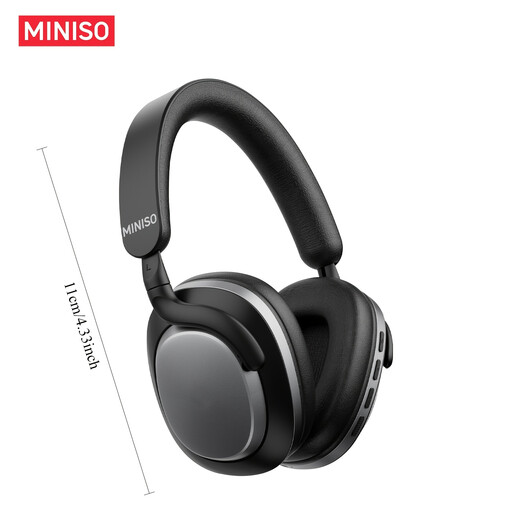 No image available
The product name mentions noise cancelling for use at your workspace; check whether sound leakage and choral playback are suitable for your desk.
Battery life stated in the product name: 24 hours.
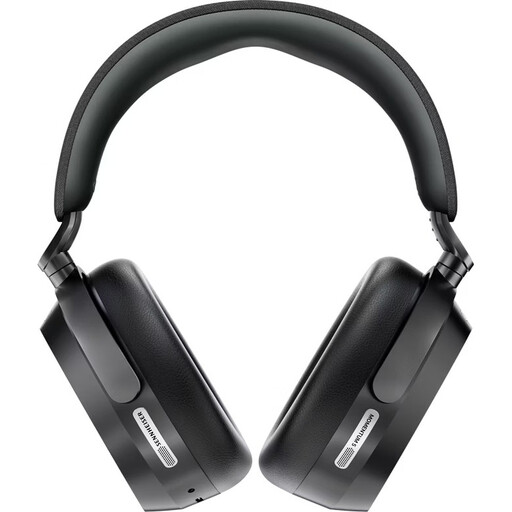 No image available
The product details specify a closed-back design; if you want to monitor using a wired connection, check that the specific connection works with your device.
Listed in the product name: Bluetooth 5.4, active noise cancellation and up to 57 hours of battery life.
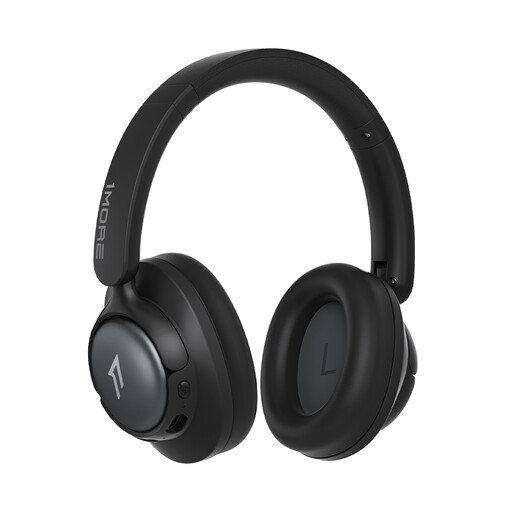 No image available
If you want to adjust the sound in an app, the product name mentions app-based EQ; check whether this suits your editing workflow.
Listed in the product name: Hi-Res Audio, preset EQ and up to 90 hours of playback.
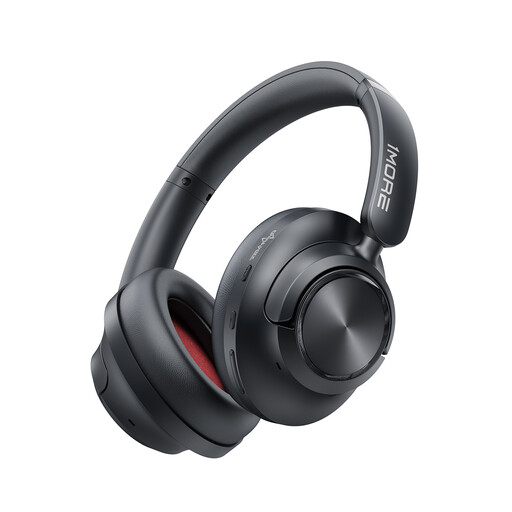 No image available
The product name mentions active noise cancellation; for choral recordings, still check playback using familiar passages and make sure the connection suits your device.
Listed in the product name: THX Spatial Audio and up to 105 hours of battery life.
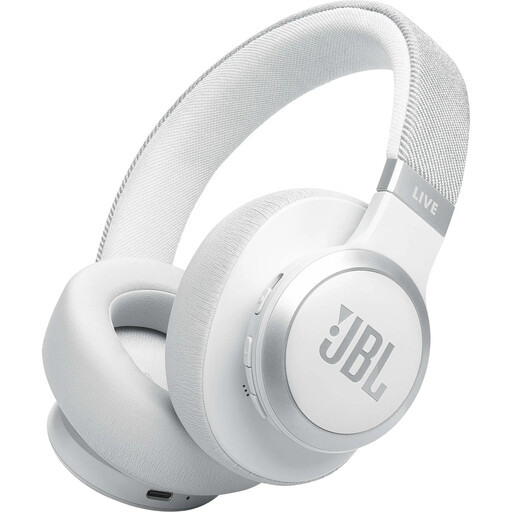 No image available
The product name mentions noise cancelling and a microphone. Check whether the specific connection is suitable for your editing session.
Not necessarily. Closed-back headphones are one possible choice if other people might hear what you’re listening to at your desk, but you should still check the sound and fit using familiar choral passages. If possible, use a second listening source as well.
Check your device’s headphone output against the plug, and use a suitable adapter if needed. For the DT 770 PRO, 80 Ohm, beyerdynamic specifies a 3.5-mm plug and a 6.35-mm adapter. If the playback is too quiet, check your audio source and output too, rather than judging the volume by impedance alone.
Keep the volume moderate and take listening breaks. The WHO recommends up to 40 hours a week at an average of 80 dB; at 90 dB, the recommended listening time falls to four hours a week. The position of the volume control doesn’t measure the actual level at your ear.
For a consumer purchase, your statutory rights generally apply against the seller. Your Europe, the European Union’s consumer portal, states that new goods are covered for at least two years from receipt. A voluntary manufacturer’s guarantee is separate; check its specific terms.
For a consumer purchase made at a distance, you generally have 14 days from delivery to cancel. According to Your Europe, you may have to pay the return costs if you were properly informed of this. Check the terms for your purchase, and distinguish your right to cancel from your rights if the goods are faulty.