Who is this use suitable for?

Singers who want to listen quietly

You want to follow a backing vocal and its cues from a recording while travelling, without turning the volume up too high. A good fit and effective isolation are especially important. The World Health Organization recommends well-fitting headphones so you don’t have to turn the volume up unnecessarily in noisy surroundings.

Singers who want to monitor their own voice

You want to hear your own voice through a microphone and headphones. What matters is whether your recording device routes the input signal appropriately – not just which headphones you choose. Focusrite describes Direct Monitoring on supported interfaces as routing the input signal directly to the headphone output.

Frequent travellers with limited luggage space

You often pack your headphones away and care about whether they fold, as well as the cable and comfort during longer listening sessions. Features such as ‘foldable’ or the type of cable don’t, on their own, tell you whether a model will be practical in your seat.

What should you look for when choosing?

Closed-back, wired studio headphones

A good fit if: you want to listen repeatedly to an existing track or hear your voice using a suitable recording device.

Consider: the fit, cable and connection need to suit the specific model variant and your device; the design alone doesn’t guarantee a particular level of isolation on a coach.

Wireless headphones with a wired option

A good fit if: you value freedom of movement when listening and can use a suitable wired signal path for latency-sensitive monitoring.

Consider: Bluetooth requires a charged battery; a low-latency mode alone doesn’t guarantee lag-free microphone monitoring. Audio-Technica lists this type of mode for the ATH-M50xBT2.

Noise-cancelling headphones

A good fit if: engine and road noise are your main concern when simply listening.

Consider: The World Health Organization recommends well-fitting headphones and noise cancellation to help you avoid turning the volume up as much in noisy surroundings. This doesn’t prove the performance of any specific model and won’t replace a monitoring signal path.

Priority What to check before buying Who is it important to?
Road noise and sound leakage Check the fit and isolation during a quiet passage; don’t turn the volume up just to drown out noise. If you want to follow cues quietly despite the noise of the journey, a good fit matters. Around 33% of consumers would prioritise isolation.
Hearing your own voice Check the microphone, input, monitoring mode, headphone output and backing track together. If you want to hear your voice while singing, your device needs to route the microphone signal to your headphones appropriately. Self-monitoring accounted for around 25% of consumers’ top priorities.
Portability, fit and connection Check the packed size, ear pads, cable type and plug against your own playback or recording device. If you often pack your headphones away when travelling, the cable and comfort matter too. Around 25% of consumers would prioritise portability.
Assessing the vocal line Try a familiar vocal passage on your own playback device and check the exact model variant. If you want to compare quiet cues and familiar passages, you’ll want a sound profile you can assess clearly. Around 17% of consumers would prioritise evaluating the vocal track.

Common misconceptions

  • ‘Studio’ doesn’t automatically mean you can monitor your own voice

    Headphones only play the signal provided by the connected signal path. For electronic monitoring, you may also need a suitable microphone, input device or adaptor.

    Before choosing, decide whether you only want to listen to a recording or route your voice back through a microphone. Check the functions of the complete recording device.

  • Don’t simply turn up the volume to drown out road noise

    Volume and listening duration affect your hearing. It’s also important not to turn the volume up unnecessarily in a shared passenger space.

    Check the fit and isolation, listen at a moderate level and take breaks. Isolation isn’t a reason to block out important sounds around you. The World Health Organization recommends well-fitting headphones and a low volume.

  • Don’t assume all model variants and cables are the same

    The beyerdynamic DT 770 PRO is available with different impedances, and cable designs can also vary between versions.

    Check the full model name, impedance variant, plug and supplied cable against your device. beyerdynamic recommends the 32-ohm variant for mobile devices; this doesn’t guarantee compatibility with every playback device.

Key brands at a glance

beyerdynamic

The closed-back DT 770 PRO and DT 700 PRO X are worth considering for wired recording and monitoring.

  • beyerdynamic lists replaceable ear pads for the DT 770 PRO and recommends the 32-ohm variant for mobile devices.
  • The model variants differ in impedance and cable. The 80-ohm model listed on the website comes with a straight connection cable.

Audio-Technica

The ATH-M50x is a wired model with a detachable cable; the ATH-M50xBT2 adds Bluetooth connectivity.

  • Audio-Technica lists a detachable cable for the ATH-M50x and a low-latency mode for the ATH-M50xBT2.
  • HIFI.DE found pronounced bass emphasis on the ATH-M50x it tested and criticised its clamping force. The low-latency mode on the BT2 doesn’t guarantee lag-free self-monitoring.

Sennheiser

The HD 280 PRO is a foldable, closed-back monitoring headphone with a single-sided coiled cable.

  • Sennheiser lists replaceable ear pads and ambient noise attenuation of up to 32 dB.
  • The maximum figure doesn’t guarantee the same fit on a coach. Check whether the coiled cable will be practical in your seat.

AKG

AKG describes the K371 as closed-back, foldable studio headphones that are also designed for mobile use.

  • AKG lists a weight of 255 g, a nominal impedance of 32 ohms and several cable lengths.
  • The manufacturer’s claims about sound and isolation aren’t independent measurements taken on a coach. Check the fit and choose the right cable variant.

Sony

The MDR-7506 is a wired headphone from Sony’s German product range.

  • Sony Germany lists a 3 m cable and a stereo mini-jack plug.
  • The long cable may be awkward in a coach seat; the model specifications don’t prove how much noise it blocks out on a coach.

Joybuy products for travelling

This selection includes over-ear headphones with noise cancellation for listening to recordings on the go; some models also list a wired option.
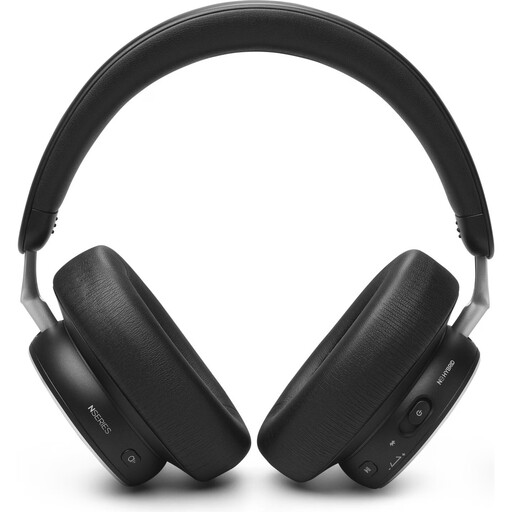
AKG N9 Hybrid over-ear headphones, black

AKG N9 Hybrid, black

For listening to recordings on the go if you’re looking for noise cancellation and a foldable design.

Bluetooth 5.3; wired 3.5 mm option; foldable design.

Joybuy
CMF Headphone Pro over-ear headphones, light green

CMF Headphone Pro, light green

An option for listening to recordings on the go if you’re looking for noise cancellation and wireless use.

Bluetooth 5.4; hybrid ANC; stated battery life of up to 100 hours.

Joybuy
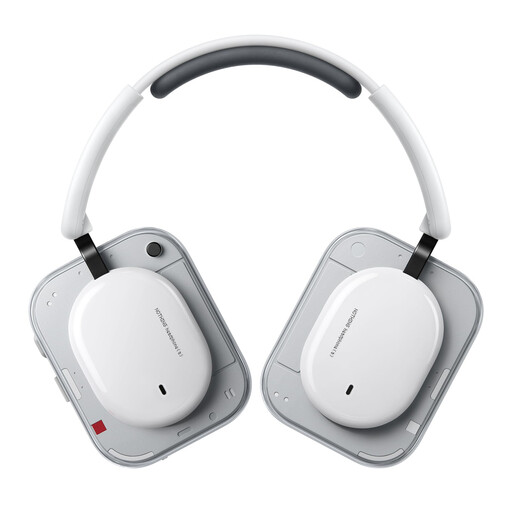
Headphone (a) wireless over-ear headphones, white

Headphone (a) wireless over-ear headphones, white

Could be an option for listening to recordings on the go if you want noise cancellation and a wired connection option.

40 mm drivers; Bluetooth and wired connection; ANC.

Joybuy

Frequently asked questions

Are studio headphones enough to hear my own singing voice?

No. For electronic self-monitoring, you’ll also need a suitable microphone input and a signal path to your headphones. Focusrite describes Direct Monitoring for certain interfaces of its own; check the functions of your specific device. You don’t need a microphone just to listen to an existing recording.

How do I set up a microphone and backing track without distracting echo?

On a supported Focusrite interface, Direct Monitoring can send the input signal to your headphones with virtually no latency, while the backing track comes from your software. If you hear distracting doubling, Focusrite recommends muting software monitoring for the recorded track; these instructions apply to the signal path described.

How can I listen safely during a longer journey?

Choose well-fitting headphones, keep the volume low and take listening breaks. The World Health Organization gives an average of 80 dB for no more than 40 hours per week as an example of safe listening. Without measuring the sound, you can’t use this to determine a safe volume setting for your headphones.

What costs and rights should I bear in mind after buying?

Check whether you’ll need a suitable adaptor or replacement parts such as ear pads and cables. According to Your Europe, purchases from a trader within the EU are generally covered by a legal guarantee of at least two years. Most online distance purchases are generally subject to a 14-day cancellation period from delivery, subject to legal exceptions; this is separate from any voluntary manufacturer’s warranty.