What should you look for when buying?
Open-back design
A good fit if: you edit recorded drum tracks in a quiet room that you use on your own. beyerdynamic describes the DT 990 PRO as open-back headphones for critical listening and editing.
Consider: This design doesn’t block out background noise like a closed-back model, and is less suited to monitoring while recording with a microphone.
Closed-back design
A good fit if: you work in a shared or noticeably noisy home office, or record at the same workstation. The manufacturers describe models such as the DT 770 PRO, ATH-M40x and SRH440A as closed-back options.
Consider: Noise isolation alone doesn’t prove that you’ll spot editing mistakes more easily; check the fit and sound of the specific model.
Semi-open design
A good fit if: you want to try semi-open headphones specifically and don’t need strong noise isolation. According to beyerdynamic, the DT 880 PRO is a semi-open model.
Consider: ‘Semi-open’ doesn’t tell you whether a model provides enough isolation for recording at the same time; check the specific version against your audio output.
| Priority |
What to check when buying |
Who is this important to? |
| Edits and drum detail |
Listen to familiar sections, edits and fades through your actual playback setup; check how the tracks work together, too. |
If you want to assess transitions and multitrack drum recordings carefully, listening is key. Around 33% of consumers say assessing edits is their main priority. |
| Noise isolation at your workstation |
Consider whether you edit in a quiet space or also listen in noisy conditions or while recording. |
If you want to block out noise in a shared workspace or record there, the design matters more. Around 27% of consumers name noise isolation as their main priority. |
| Fit during long sessions |
If possible, try the specific headphones for a realistic length of time and check that replacement ear pads are available for the model. |
If you listen to longer sections repeatedly, the headphones should suit the shape of your head and ears. Around 20% of consumers say long-term comfort is their top priority. |
| Connection and maintenance |
Check the impedance, output, plug, adapter and compatible replacement parts for the exact model version. |
If your audio output or the option to replace a cable or ear pads later is the deciding factor, the exact version matters. Around 20% of consumers put connection and maintenance first. |
Each design suits different room and monitoring needs. According to beyerdynamic, the DT 770 PRO is available in 32, 80 and 250 Ohm versions, while the DT 990 PRO comes in 80 and 250 Ohm versions. So check the full version against the output on your computer or audio interface, rather than checking the model name alone.
Related products at Joybuy
The following Joybuy products are over-ear headphones. Before buying, check in particular that the stated connection options suit your audio output; the product details don’t show that they’re specifically designed for professional drum monitoring.
 No image available
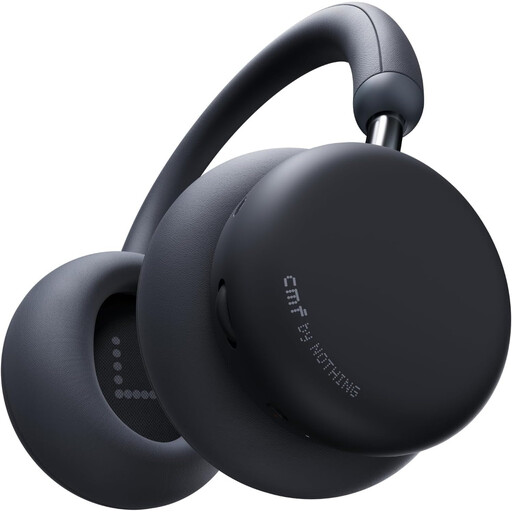
CMF Headphone Pro, Dark Grey
The closed-back over-ear design may be useful if you work in a noisy home office; the product details also list replaceable ear pads.
Bluetooth 5.4; up to 100 hours of battery life according to the product name.
View at Joybuy
 No image available
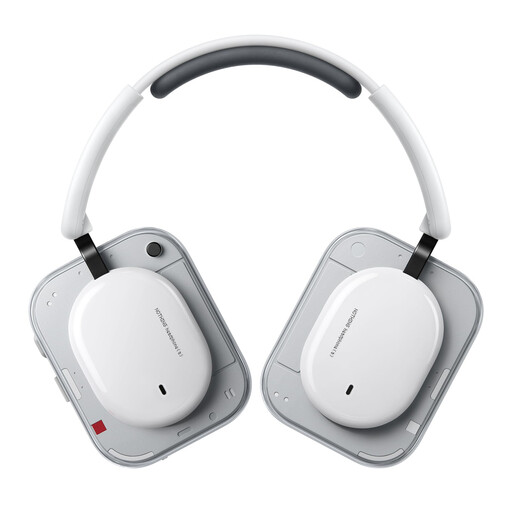
Headphone (a), Over-Ear, White
The listed wired connection options may suit your workstation; check that they match the audio output you actually use.
3.5 mm jack and USB-C; Bluetooth connection; carry case according to the product details.
View at Joybuy
 No image available
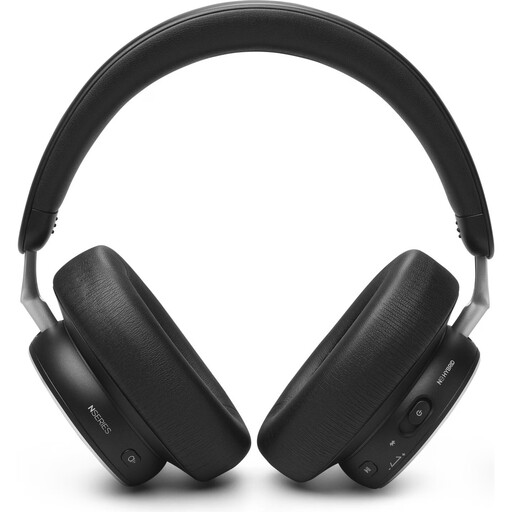
AKG N9 Hybrid, Black
The closed-back design may be useful if there’s background noise at your workstation. A 3.5 mm jack option is listed for wired listening.
Detachable cable; folding ear cups and carry case according to the product details.
View at Joybuy
Frequently asked questions
Are studio headphones enough on their own to fix drum edits and phase issues?
No. Listen to transitions and fades, and if you’re using several microphone tracks, check how they work together. Avid explains how to check fades, while iZotope covers phase issues with drums. Both offer guidance on your workflow, not a performance guarantee for a particular headphone model.
What should I check about connections and replacement parts?
Check that the plugs and, if needed, the 6.3 mm adapter are compatible with your audio output. Also check which cables and replacement ear pads are available for the exact model version: the DT 770 PRO comes in several impedance versions, and according to beyerdynamic, the DT 770 PRO X has a detachable cable.
How can I avoid listening at unnecessarily high volumes during long editing sessions?
Listen at a moderate volume and take your total listening time into account. The German Environment Agency warns that excessive or prolonged noise can cause permanent hearing damage; workplace exposure limits aren’t a one-size-fits-all volume recommendation for a personal headphone output.
What are my rights when buying online as a consumer in Germany?
For a covered distance purchase from a business seller, you generally have 14 days from delivery to cancel; exceptions and return costs may apply. Your Europe also explains the statutory guarantee of at least two years for faulty goods. This is separate from a voluntary manufacturer’s warranty.
Does a CE mark prove that headphones have good studio sound?
No. A CE mark doesn’t prove that headphones are suitable for editing drums or have a particular sound quality. The marking requirements for a specific product depend on its category and the relevant regulations.


