If you’re editing pre-recorded acoustic guitar tracks in a quiet room on your own, open-back headphones may be a good option. If you need to monitor through headphones while recording in front of a microphone, keep out room noise or avoid disturbing others, well-fitting closed-back headphones are likely to suit you better. Focusrite notes that closed-back headphones carry a lower risk of sound leaking into a microphone. Check the sound profile, fit and volume with the specific model and your actual headphone output.
Which headphones are right for you?
Guitar editors working in a quiet room
If you’re comparing edits, pick attacks and fade-outs on pre-recorded tracks, and sound escaping from your headphones won’t disturb anyone, open-back headphones could work well. Check their sound profile with your own guitar passages.
Recording at the same workstation
If you need to monitor through headphones while recording acoustic guitar, keeping sound leakage to a minimum matters: otherwise, the microphone may pick up sound from your headphones. Focusrite recommends closed-back headphones for these recording situations to reduce spill.
Editors sharing a home office
If you need to hear quiet passages despite room noise or be considerate of others, closed-back headphones may be a better fit. How comfortable they feel and how well they block out sound also depends on how they fit.
What should you look for when buying?
Open-back studio headphones
A good fit if: you mainly work alone in a quiet environment, editing tracks that have already been recorded.
Bear in mind: sound can escape, increasing the risk of spill if you monitor in front of a microphone. Beyerdynamic also describes the DT 990 PRO as having relatively bright treble.
Closed-back studio headphones
A good fit if: you want to limit room noise, avoid disturbing others or monitor while recording with a microphone.
Bear in mind: how well they block out sound also depends on the fit, and it doesn’t tell you whether their sound profile will suit your guitar tracks.
Semi-open studio headphones
A good fit if: you’re considering a semi-open option in a mostly quiet environment and don’t need strong isolation or minimal sound leakage.
Bear in mind: this design isn’t a proven substitute for well-isolating closed-back headphones when recording with a microphone.
| What matters |
What to check when buying |
Who is it important to? |
| Judging sound |
Compare familiar original and edited sections at a similar volume; check edits and fade-outs on a second playback system too. |
If I want to judge changes in sound and transitions reliably, I compare my own guitar passages rather than relying on sound descriptions alone. Around 40% of consumers put this comparison first. |
| Isolation |
Look for closed earcups and a good fit; check your own microphone recordings for audible spill. |
If I’m recording at the same workstation or need to hear quiet sections despite room noise, effective isolation matters to me. Around 30% of consumers prioritise limiting sound leakage or distracting background noise. |
| Comfort and care |
Check for pressure and heat during longer listening sessions, and make sure replacement ear pads fit the exact model version. |
If I’m working on edits for long stretches, I want comfortable headphones with ear pads that can be replaced with the right parts when needed. Around 20% of consumers put comfort and care first. |
| Connection and volume |
Check the impedance version, plug and adapter against the output you already have. According to Focusrite, the volume you can achieve doesn’t depend on impedance alone. |
If I want to use the headphones with my existing laptop or audio interface, the connection and volume need to work with that device. Around 10% of consumers prioritise compatibility with their equipment. |
Common buying mistakes
-
Open-back doesn’t automatically mean suitable for microphone recording
Open-back headphones may work well for editing without interruptions, but they won’t reliably stop sound from the headphones being picked up by the guitar microphone.
Consider recording and editing separately: check for audible spill when recording with a microphone, and consider closed-back headphones for that situation.
-
“Neutral” or a frequency figure doesn’t prove the sound profile is right for you
Manufacturer descriptions apply to individual models. Beyerdynamic itself notes that the open-back DT 990 PRO has relatively bright treble.
Compare unedited and edited guitar passages at a similar volume, and, where possible, check important decisions on another playback system.
-
Don’t leave impedance, plugs and replacement ear pads until after you buy
Impedance and output need to be considered together; replacement parts may also be limited to specific model versions.
Check the exact version, connection and, if necessary, adapter against the device you already have. Match replacement ear pads to the full model version.
Key brands at a glance
beyerdynamic
The closed-back DT 770 PRO and open-back DT 990 PRO are designed for different listening situations. Check the exact impedance version when choosing.
- Beyerdynamic describes the DT 990 PRO as headphones for critical listening and editing, and offers replacement ear pads for the model.
- The manufacturer notes that the DT 990 PRO has relatively bright treble; its open-back design lets sound escape.
Audio-Technica
The closed-back ATH-M40x is described by the manufacturer as suitable for recording, mixing and monitoring. Audio-Technica also lists a detachable cable among the ATH-M50x’s features.
- Audio-Technica promotes the ATH-M40x for its isolation and neutral sound reproduction.
- These are manufacturer claims, not independent measurements of acoustic guitar tracks; check the sound profile and fit of the specific model.
Sennheiser
The closed-back HD 280 PRO is positioned for recording, mixing and monitoring, and can be folded.
- Sennheiser states that the HD 280 PRO reduces ambient noise by up to 32 dB and has replaceable ear pads.
- Actual isolation also depends on the fit. The official ear pad set is listed for specific model versions from 2016 onwards.
AKG
The semi-open K240 MKII may suit mostly quiet listening spaces, while the manufacturer positions the closed-back K371 for mixing and editing too.
- The K240 MKII is documented as having detachable cables and a 3.5 mm plug with a 6.3 mm adapter.
- Its semi-open design doesn’t prove that it provides enough isolation for microphone recording. Sound descriptions of the K371 come from the manufacturer.
Austrian Audio
The open-back Hi-X65 is positioned by the manufacturer for critical listening, mixing and mastering.
- Austrian Audio describes its sound as spacious and neutral, and lists replaceable key components.
- This sound description hasn’t been independently confirmed specifically for acoustic guitar editing. As open-back headphones, they don’t solve the risk of spill during microphone recording.
Joybuy products for this topic
These products suit closed-back listening at a home office workstation. Their product specifications don’t confirm that they’re specially tuned for studio editing, so check the connection and sound for your particular use.
 No image available
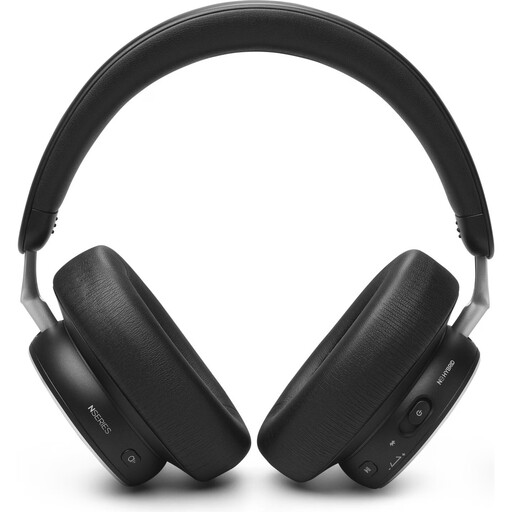
AKG N9 Hybrid
For closed-back listening; check that the wired 3.5 mm option suits your headphone output.
Bluetooth 5.3; Multipoint; 55-hour battery; 40 mm neodymium drivers; virtual surround sound; foldable design; active noise cancellation.
Joybuy
 No image available
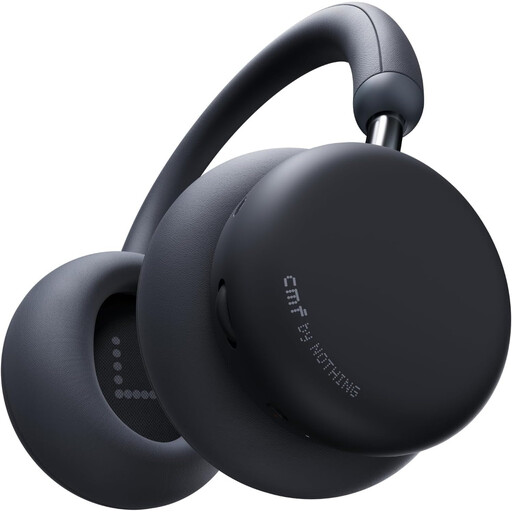
CMF Headphone Pro
For closed-back listening; make sure the wireless connection suits your intended use and the audio output you have available.
Bluetooth 5.4; LDAC; hybrid ANC with adaptive mode; up to 100-hour battery; 5-minute fast charging; connects to two devices.
Joybuy
Frequently asked questions
Can I use the same open-back headphones for recording and editing later?
Open-back headphones may suit editing later in a quiet environment. When monitoring during a microphone recording, sound can escape; Focusrite recommends closed-back headphones in this situation to reduce spill.
Will headphones with higher impedance inevitably be too quiet with my audio interface?
No, not necessarily. Focusrite notes that headphone sensitivity, the level of the audio source and the listening environment can all affect the volume you can achieve. Don’t apply guidelines for specific generations of interfaces to a different device: check its output specifications and the exact headphone version.
How can I check for an audible click in a guitar edit?
Compare the section before and after editing at a sensible volume. The Audacity manual suggests short fades at the start of a clip and a short crossfade as ways to smooth clicks or unwanted artefacts. You’ll need to judge for yourself whether the result sounds natural in the passage.
What should I bear in mind during long listening sessions?
Keep the volume moderate and take listening breaks. The World Health Organization describes the risk to hearing as depending on the combination of volume, duration and frequency of loud sounds; a high maximum sound pressure level in a product specification isn’t a sensible target for your working volume.


