For repeated listening in a shared quiet space, a well-fitting pair of closed-back headphones is a sensible place to start. Closed-back headphones can limit sound leakage, but they cannot guarantee that none will escape, as Sound On Sound explains. Compare a familiar solo passage at a moderate volume, and check the fit, cable, plug and exact model variant. Slowing playback without changing the pitch is a feature of suitable software, not the headphones. Also check the rules of the specific library you’re visiting, as special provisions such as those at the Berlin State Library do not automatically apply elsewhere.
Who this guide is for
Considerate listeners in reading rooms
If you’re replaying short sections, you’ll want to keep sound from reaching people sitting nearby. Sound On Sound describes closed-back headphones as a way to limit sound leakage, although the actual effect also depends on the fit and volume.
Learning solo passages by ear
If you’re comparing individual notes and phrasing, it helps to listen to the same passage repeatedly rather than assuming a wide frequency range will make it easier to pick out. Audacity describes “Change Tempo” as a software feature that changes the tempo without changing the pitch.
Learning with a mobile device
If you’re listening through a laptop, smartphone or another portable player, check that its headphone output is compatible with the plug, adapter, cable and exact model variant. For example, beyerdynamic offers the DT 770 PRO in 32-, 80- and 250-ohm versions.
What to look for when buying
For a shared quiet space, closed-back wired headphones are a sensible place to start. First check the fit and sound leakage, then compare the solo passage and make sure the headphones connect to your device.
The following percentages refer to consumers choosing studio headphones for practising a guitar solo in a quiet library.
| What matters when buying |
What to check |
Who it matters most to |
| Minimal sound leakage |
Check the design and fit; play the passage at a moderate volume and listen for audible sound leakage. Closed-back does not guarantee that nobody else will hear it. |
If I’m replaying short sections, I want to disturb other people in a quiet study space as little as possible. Around 33% of consumers put minimal sound leakage first. |
| Comparing notes and phrasing |
Listen to the same familiar passage at a similar, moderate volume. “Studio” branding or a wide stated frequency range alone does not prove that a particular solo will be easier to make out. |
If I’m picking out individual notes and phrasing, I want to be able to compare passages repeatedly. Around 27% of consumers put this first. |
| Connecting to your player |
Check the headphone output, plug, adapter, cable and exact impedance variant against your device. |
If I want to use my existing laptop or another mobile device, the connection needs to be compatible. Around 20% of consumers say device compatibility matters most. |
| Comfort during longer listening sessions |
Try the fit in person, including with glasses if needed. A comfortable fit and sufficient sound isolation need to go hand in hand. |
If I’m replaying a passage often, I want to be able to wear the headphones comfortably for longer listening sessions. Around 13% of consumers prioritise long-term comfort. |
| Replacing worn parts |
Check that replacement parts are available for the exact model; don’t assume features such as a detachable cable apply to similar models. |
If I want to use the headphones for longer, I look for replacement options for parts that wear out. Around 7% of consumers prioritise repairability. |
Common misconceptions
-
“Closed-back” means nobody nearby will hear anything
The design can limit sound leakage, but the fit and playback volume also affect the result. Closed-back headphones do not guarantee silence for other people.
Listen to the passage at a moderate volume and check whether it can be heard from outside the headphones.
-
All DT 770 PRO versions are interchangeable
beyerdynamic lists 32-, 80- and 250-ohm versions of the DT 770 PRO. The exact version and its connection need to suit the device you’re using.
Before ordering, check the full model name, impedance and the connection or adapter you need.
-
Studio headphones automatically make it easier to pick out a solo
The tuning of a particular model can affect how a recording sounds. You’ll also need a suitable software feature to slow playback down.
Compare the same familiar solo passage at a similar volume, and check your software’s playback features separately from the headphones.
Brands to consider
The specific model variant, design and connections matter more than the brand name alone.
beyerdynamic
The closed-back DT 770 PRO and open-back DT 990 PRO have different designs, so their suitability for a shared library space should be considered separately.
- beyerdynamic lists replaceable ear pads and 32-, 80- and 250-ohm versions for the DT 770 PRO.
- The manufacturer’s claims about sound and isolation do not prove that every version will work equally well with your device or prevent others from hearing your playback.
Audio-Technica
The closed-back ATH-M40x and ATH-M50x are wired models that differ in areas such as fit, tuning and cable.
- Audio-Technica describes the ATH-M40x as offering passive isolation and the ATH-M50x as having a detachable cable.
- In May 2014, Sound On Sound described the ATH-M50x’s tuning as slightly scooped. This is an older listening assessment of one model, not a comparison of every model.
Sennheiser
The HD 280 PRO is a closed-back, foldable monitoring headphone with a coiled cable and replaceable ear pads.
- Sennheiser states that the HD 280 PRO reduces ambient noise by up to 32 dB.
- This is a manufacturer’s figure, not a guarantee for every fit or of silent playback in a reading room. The coiled cable also needs to suit your study space.
Sony
The MDR-7506 is a wired monitoring option. Compare its plug and personal fit with those of closed-back alternatives.
- Sony Germany lists a stereo mini-jack plug and a combination plug adapter as included with the MDR-7506.
- These connection details alone do not demonstrate an advantage when picking out a solo or reducing sound leakage in a reading room.
Products at Joybuy
These over-ear models include information about their design and wired connection options, which you can check for use in a shared study space.
 No image available
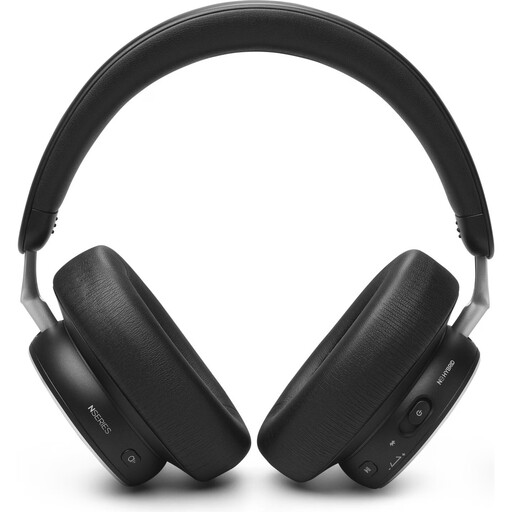
AKG N9 Hybrid over-ear headphones, Black
The closed-back over-ear design is worth considering for a shared quiet space, but it doesn’t guarantee that no sound will leak out.
Specifications include Bluetooth 5.3, a 3.5 mm wired connection option, 32 Ω, multipoint connectivity and a stated battery life of 55 hours.
View at Joybuy
 No image available
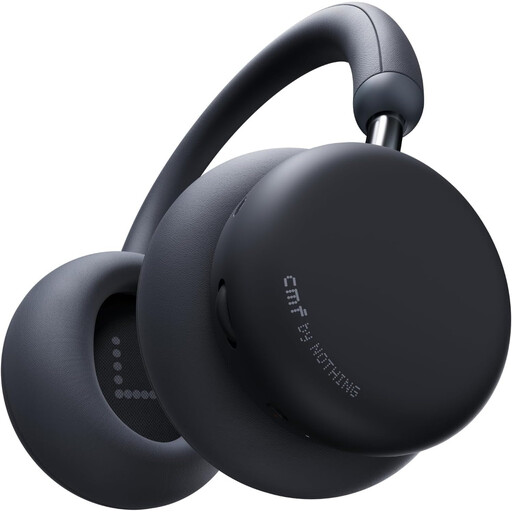
CMF Headphone Pro, Dark Grey
The closed-back design is relevant for a library space; also check that the fit is comfortable for you and that it limits sound leakage sufficiently.
Product details list Bluetooth 5.4, wired audio playback, replaceable ear pads, 40 mm drivers and a battery life of up to 100 hours.
View at Joybuy
Frequently asked questions
Can I listen to music on headphones in any library?
There’s no general answer: check the rules for the specific library and room. For example, the Berlin State Library has special provisions for its music research reading room; these do not automatically apply to other libraries. Also check whether other people can hear your playback.
Can slowing playback help me pick out a solo?
It can let you listen to a passage more slowly, but you’ll need a feature in your playback software. Audacity describes “Change Tempo” as changing the tempo without changing the pitch, and notes that more substantial changes can cause audible distortion. So compare the passage at its normal tempo too.
Can I connect a DT 770 PRO to my device without any extra steps?
It depends on your headphone output and the version you choose. beyerdynamic offers 32-, 80- and 250-ohm versions; for the 80-ohm version shown, the manufacturer lists a 3.5 mm plug with a 6.35 mm adapter. Check the full model name and connection against your device.
How can I protect my hearing when listening to a passage repeatedly?
Keep the volume moderate and take listening breaks. The WHO explains that safe listening time depends on both volume and duration. As an example, it gives an average of 80 dB for up to 40 hours a week and, at 90 dB, four hours a week. These figures are not measured levels for any of the headphones listed here.
What should I know about faults and later disposal?
According to Your Europe, when you buy from a business seller in the EU, you have a legal minimum guarantee of two years from receiving the goods. This is separate from a voluntary guarantee. The German Environment Agency recommends taking waste electrical equipment to an appropriate collection point rather than putting it in household rubbish.


