Who should consider these options?

Bass-focused home studio mixers

If you regularly balance kick and bass in electronic music, familiar reference tracks can help you understand how a particular pair of headphones sounds. Sonarworks points out that headphones don’t recreate the physical sensation of bass from speakers.

Mixers working in shared spaces

If you work alongside other people or record in the same space, outside noise and sound leakage are important considerations. Focusrite explains that closed-back headphones can help reduce sound bleed when recording with a microphone.

Mixers in a quiet home studio

If you can work without interruptions, open-back and semi-open models are also worth considering. Focusrite lists these designs among those used in control rooms, but the right choice still depends on whether sound leakage would be a problem where you listen.

What should you look for when buying?

Open-back studio headphones

A good fit if: you mostly mix in a quiet room and sound leakage won’t disturb anyone.

Consider: the open-back design offers less isolation, so it may not be the most practical choice if conversations are distracting or you’re recording with a microphone.

Closed-back studio headphones

A good fit if: you want to limit background noise or work close to a microphone. Focusrite recommends closed-back headphones as one way to reduce sound bleed.

Consider: isolation alone doesn’t tell you whether the bass reproduction will suit your mixing decisions.

Semi-open studio headphones

A good fit if: your listening space is usually quiet and you’d like to try this design.

Consider: “semi-open” doesn’t guarantee sufficient isolation. Check how much noise gets in and sound gets out at your actual workspace.

What to consider What to look for Who it matters most to
Kick and bass Compare familiar tracks at a similar, moderate volume and, if possible, check the mix on another playback system too. When I’m balancing kick and bass, I want to judge how my headphones sound against familiar references. Around 29% of consumers put bass assessment first.
Isolation Check how much background noise you can hear at your workspace, and how much sound reaches other people or a microphone. If conversations are distracting or I’m recording in the same space, I want to consider both noise getting in and sound getting out. Around 24% of consumers prioritise isolation.
Stereo imaging and detail Listen to familiar examples of panning, reverb and quiet details; where possible, check important spatial decisions on another system too. When I’m judging panning and subtle mix details in a quiet room, I want to cross-check what I hear through headphones. Around 23% of consumers put stereo and detail assessment first.
Comfort and ear pads Try them on for a realistic listening session and check replacement parts against the full model name. For longer mixing sessions, I want a comfortable fit and, if needed, compatible replacement ear pads. Around 12% of consumers prioritise long-term comfort.
Connection and drive Check the plug, adaptor and cable length against your device, and make sure the combination works comfortably with your output. If I want to keep using my existing computer or interface, the connection needs to work in everyday use. Around 12% of consumers put compatibility with their existing device first.

Common buying misconceptions

  • Taking the frequency range as proof of neutral bass

    A stated frequency range doesn’t show how balanced the kick and bass will sound for your mixing decisions. And, as Sonarworks explains, listening through headphones doesn’t give you the physical sensation of bass from speakers.

    Compare the kick and bass on the specific model with tracks you know, and, where possible, check important decisions on another playback system too.

  • Treating open-back, closed-back and semi-open designs as interchangeable

    Isolation and sound leakage matter differently in a quiet listening space and a shared workspace. Focusrite explains that closed-back headphones can help reduce sound bleed when recording with a microphone.

    Choose based on your actual workspace and check how much noise gets in and sound gets out, rather than assuming what the design will do.

  • Leaving connections and wear parts until after you buy

    Plugs, adaptors, cable routing and compatible replacement ear pads vary by model. A replacement part made for one specific model won’t necessarily work with other studio headphones.

    Before buying, check the connection and what’s included against your device, and make sure any replacement parts match the full model name.

Relevant brands at a glance

beyerdynamic

beyerdynamic describes the open-back DT 900 PRO X as a model for mixing and mastering. It’s more suited to a quiet listening space than a situation where isolation matters.

  • Compatible replacement ear pads are available for the DT 900 PRO X.
  • The manufacturer’s description of its sound profile isn’t an independent listening comparison, and the open-back design won’t solve an isolation problem.

Sennheiser

Sennheiser lists the open-back HD 490 PRO for mixing and production. Its different sets of ear pads may be worth considering if your workspace is quiet.

  • The manufacturer lists washable, replaceable ear pads and a choice of cable routing.
  • Claims about precision and comfort come from the manufacturer; check the fit and sound leakage for yourself.

Audio-Technica

Audio-Technica describes the wired ATH-M50x as a monitor headphone with passive isolation and a detachable cable.

  • The detachable cable and passive isolation are documented for the ATH-M50x specifically.
  • These features don’t automatically apply to wireless versions. Compare familiar tracks when making decisions about bass.

Yamaha

Yamaha describes the closed-back, foldable HPH-MT5 as suitable for music production at home. It may be worth considering if isolation and portability matter for your needs.

  • Yamaha lists a 3-m cable and a 6.3-mm adaptor.
  • The manufacturer’s claim of faithful sound reproduction isn’t a substitute for your own comparison. Check the cable routing, fit and sound with your mix material.

AKG

AKG describes the K240 MKII as a semi-open studio model that may suit a mostly quiet listening space.

  • AKG lists a detachable Mini XLR cable.
  • The semi-open design doesn’t guarantee sufficient isolation, and claims about suitability for mixing come from the manufacturer.

Sony

Sony lists the wired MDR-7506 as a headphone for studio and broadcast environments.

  • Sony lists a stereo mini-jack plug and an adaptor in the box.
  • Its studio focus doesn’t prove that the bass reproduction will suit every electronic music mix.

Joybuy headphones for this topic

These Joybuy headphones offer a range of wireless and wired features. The product details don’t prove that any model provides neutral sound reproduction for mixing, so check important mix decisions against familiar references.
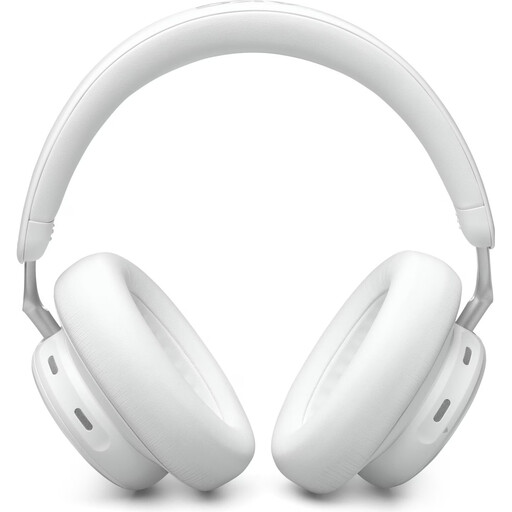
AKG N9 Hybrid over-ear headphones

AKG N9 Hybrid over-ear headphones

The product name mentions a USB-C dongle and Bluetooth 5.3; check that the connection options suit your playback device.

Other details in the product name: multipoint and 40-mm drivers.

Joybuy
CMF Headphone Pro over-ear headphones, Light Green

CMF Headphone Pro over-ear headphones, Light Green

The product name mentions LDAC, Bluetooth 5.4 and hybrid ANC; check that the connection options suit how you plan to use them.

Other details in the product name: 40-mm drivers and up to 100 hours of battery life.

Joybuy
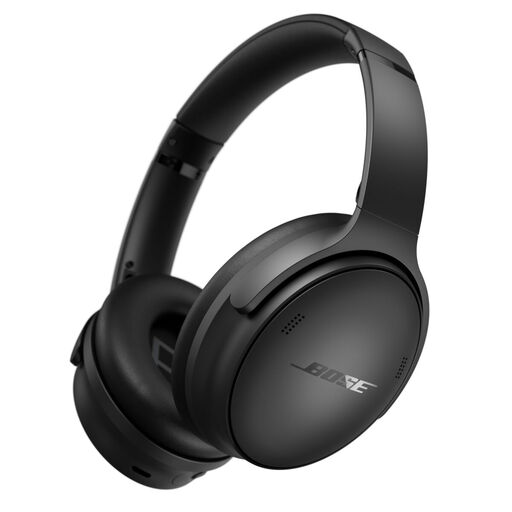
Bose QuietComfort wireless headphones, Black

Bose QuietComfort wireless headphones, Black

If you’re looking for wireless headphones with noise cancellation, check that the connection and sound reproduction suit your mixing space.

The product name mentions wireless noise cancellation; this doesn’t prove that the headphones provide neutral sound reproduction for mixing decisions.

Joybuy
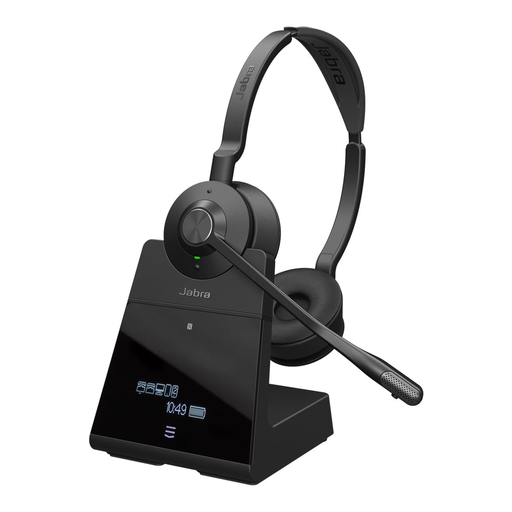
Jabra Engage 75 SE wireless stereo headset

Jabra Engage 75 SE wireless stereo headset

The product name mentions DECT wireless and a USB-C to USB-A connection. Check that these connections suit your computer or interface.

Other details in the product name: noise-cancelling microphone and charging stand.

Joybuy
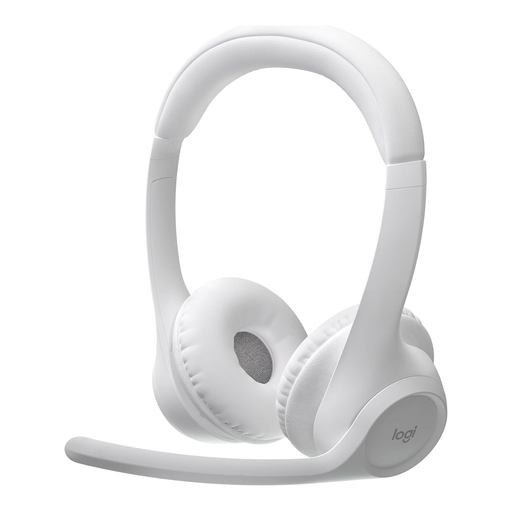
Logitech Zone 300 wireless Bluetooth headset, Grey White

Logitech Zone 300 wireless Bluetooth headset, Grey White

The product name mentions Bluetooth and multipoint. If you’re considering it for listening back to a mix, check the connection and compare the sound with familiar references.

Other details in the product name: up to 20 hours of battery life and a noise-cancelling microphone.

Joybuy

Frequently asked questions

Are open-back headphones enough for mixing an electronic track?

An open-back model may suit you if your room is quiet and sound leakage isn’t a problem. Compare the kick, bass and stereo width with familiar references, and, where possible, check important decisions on another playback system too. The design alone doesn’t guarantee reliable mixing decisions.

How do I connect studio headphones to my interface?

First, check the plug, any adaptor you may need and the cable length against your device. Focusrite notes that the usable volume of a particular setup depends not only on impedance but also on factors such as headphone sensitivity and the output.

How do I check ear pads and replacement parts before buying?

Check the information for the exact model and confirm replacement-part compatibility using its full name. Sennheiser describes the HD 490 PRO ear pads as washable and replaceable; beyerdynamic lists compatible replacement ear pads for the DT 900 PRO X.

What are my rights in Germany if headphones are faulty or bought online?

Your statutory rights against the seller for faulty goods are separate from any voluntary guarantee. For ordinary goods, Section 438 of the German Civil Code (BGB) generally provides for a two-year limitation period from delivery. For online consumer purchases, there is usually a 14-day right to cancel. Conditions and possible exceptions depend on the specific purchase; the Verbraucherzentrale explains the distinction.

Is there a legal volume limit for private headphone mixing sessions?

This article doesn’t claim that a German volume limit applies to private mixing sessions. The WHO-ITU standard gives a reference dose of 80 dB over 40 hours a week for adults. This is a hearing recommendation, not a buying requirement. Avoid listening at unnecessarily high volumes for long periods.