Jazz listeners on noisy coaches
If you want to follow quiet passages despite road noise, you’ll need to weigh up passive noise isolation against ANC. The actual level of isolation depends, among other things, on how the headphones fit.


If you’re repeatedly comparing solos with accompaniment on a coach, a well-fitting closed-back pair of headphones is a sensible starting point; the word ‘studio’ alone doesn’t guarantee neutral sound. ANC may be another option if road noise is distracting, while a comfortable fit, the right connection and a moderate volume remain important for longer listening sessions.
If you want to follow quiet passages despite road noise, you’ll need to weigh up passive noise isolation against ANC. The actual level of isolation depends, among other things, on how the headphones fit.
If you listen to phrases repeatedly, pay attention to how the specific model reproduces bass, mid-range and instruments, rather than relying on the word ‘studio’ alone.
For longer listening sessions, the fit and clamping force should suit you. Also check whether the headphones are easy to pack away and can connect to your audio device.
A good fit if: You want to listen without relying on a battery and repeatedly assess jazz passages, and your device has a suitable audio output.
Worth considering: Passive noise isolation depends on the fit, and a cable can get in the way in a coach seat. Reviews of the ATH-M50x and DT 700 PRO X have also criticised their boosted bass.
A good fit if: Freedom of movement and connecting to a smartphone without an audio socket are important to you.
Worth considering: Wireless listening depends on battery life and Bluetooth. The manufacturer’s description of the ATH-M50xBT2 does not confirm ANC; check this feature separately if road noise is your main concern.
A good fit if: Steady road noise is particularly distracting and you prioritise active noise cancellation over a purely passive studio model. Shure lists adjustable ANC and an analogue audio cable for the AONIC 50 GEN 2.
Worth considering: ‘Studio sound’ is a manufacturer’s description, not independent proof of neutral jazz reproduction. Comfort and ANC performance depend on fit and use; make sure you can still hear announcements, too.
First compare the sound profile and fit of the specific model, then look at noise isolation and connectivity. This will help you decide whether passive isolation is enough or whether ANC or wireless listening matters more to you.
| Priority | What to look for when buying | Who is it important for? |
|---|---|---|
| Isolation from road noise | Check for a closed-back design and a good seal; if needed, try ANC with your own music and remember to stay alert to announcements. | If I want to hear quiet passages despite engine noise, I’ll first check how well the headphones fit. In this comparison, around 33% of shoppers who prioritise noise isolation would fall into this group. |
| Sound for analysis | Compare familiar jazz passages at a moderate volume and consult reviews of the exact model version. | If I want to separate the melody from the accompaniment, the sound profile of the specific model matters more than the ‘studio’ label. Around 27% of shoppers would put sound quality first. |
| Comfort and storage | Try the fit and clamping force, check how much space they take up, and make sure replacement ear pads are available for the exact model version. | On a longer journey, I want headphones that are comfortable to wear and easy to pack away. Around 20% of shoppers whose main priorities are comfort and portability would fall into this group. |
| Connection to your audio device | Check your device’s output against the plug, supplied cables and, where applicable, Bluetooth functionality. | If I want to connect my existing device without any fuss, I’ll check the connection and cable options in advance. Around 20% of shoppers would make compatibility their top priority. |
In its reviews of the Audio-Technica ATH-M50x and beyerdynamic DT 700 PRO X, HIFI.DE criticised their boosted bass, which may matter when listening analytically. These review findings don’t automatically apply to other models or versions.
Compare familiar jazz passages and check whether independent reviews are actually about the version you’re considering.
Sennheiser states that the HD 280 PRO reduces ambient noise by up to 32 dB. ‘Up to’ doesn’t guarantee a particular result in your seat.
Check the fit and noise isolation at a moderate volume. If road noise is particularly distracting, consider ANC as another option.
Plugs, cables and replacement parts vary by model. You can only use wired headphones while travelling if the connection is compatible with your audio device.
Check your device’s output against the plug and what’s included in the box. Also make sure replacement ear pads or cables are compatible with the exact model version.
The German Environment Agency warns that sound can impair hearing or cause permanent damage, depending on its level and duration.
Listen at a moderate volume and check the fit and noise isolation first, rather than continually turning up the volume to compete with coach noise.
According to AKG, the closed-back, foldable K371 is designed for monitoring and travel.
According to the manufacturer, the closed-back HD 280 PRO combines passive noise reduction with a foldable design.
The ATH-M50x is a wired studio and travel option, while the ATH-M50xBT2 offers a wireless alternative.
The closed-back DT 700 PRO X is aimed at buyers looking for wired studio headphones with replaceable components.
The AONIC 50 GEN 2 is a wireless travel option with a studio focus, adjustable ANC and an analogue audio cable.
This selection includes over-ear headphones with noise cancellation, offering wireless and, in some cases, wired connections for use on the go. ANC and ‘studio’ labels alone don’t guarantee neutral reproduction of jazz details.
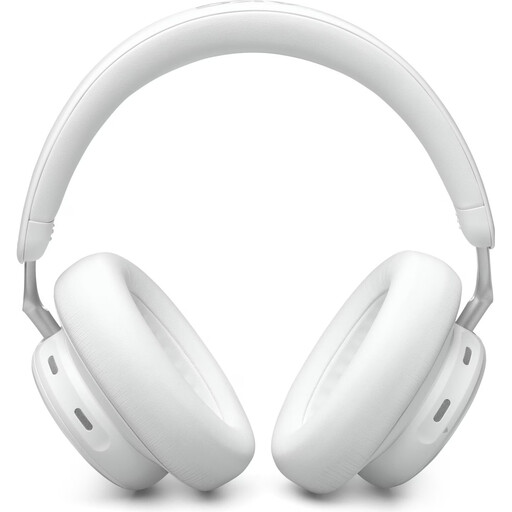 No image available
The listed ANC and Bluetooth features may appeal if you’re looking for noise cancellation and wireless listening on your journey.
The product title lists 55 hours of battery life, 40 mm drivers, Bluetooth 5.3 with multipoint and a 2.4 GHz USB-C dongle.
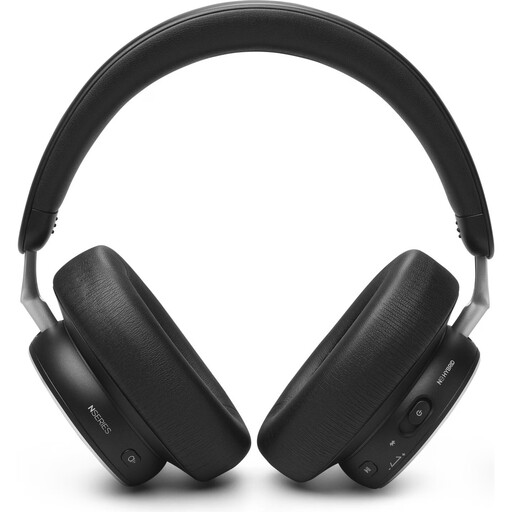 No image available
The wireless and wired options may suit you if you want to switch between Bluetooth and an audio cable while travelling.
The product title lists 55 hours of battery life, Bluetooth 5.3 with multipoint, 40 mm neodymium drivers, a wired 3.5 mm option and a foldable design.
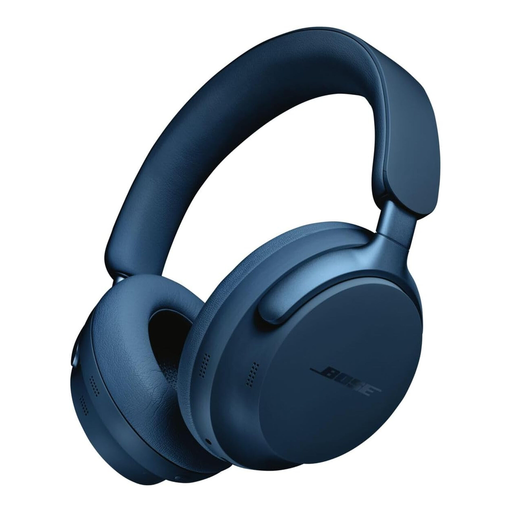 No image available
The listed ANC modes and wired option are useful if you want to choose between noise cancellation and a cable connection while travelling.
The product description lists up to 24 hours of battery life, Quiet, Aware and Immersion modes, Bluetooth, an audio cable, soft ear cushions and a pressure-distributing headband.
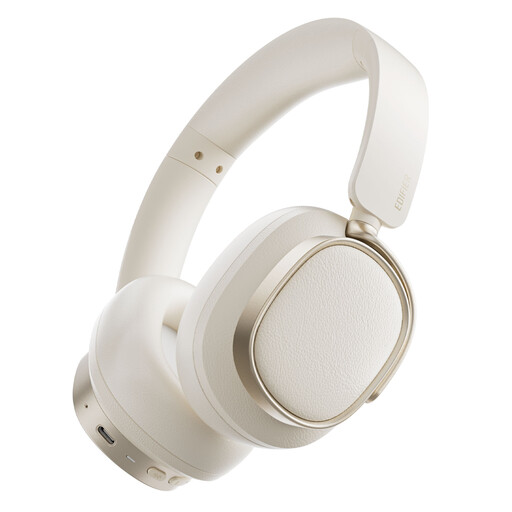 No image available
The listed ANC features and the option to switch between Bluetooth and a cable may be useful for listening on the go.
The description lists a foldable design and up to 53 hours of battery life with ANC switched on.
If steady road noise is the main distraction, ANC is another option you can consider. Passive noise isolation also depends on the fit, so there’s no basis for claiming a general advantage for every coach journey or jazz recording.
Check your audio device’s output against the headphone plug and what’s included in the box. Sennheiser lists a 3.5 mm plug and a 6.3 mm adapter for the HD 280 PRO. If your device doesn’t have a suitable socket, check which connection you’ll need before buying.
If possible, try the fit and clamping force for a realistic length of time. The HD 280 PRO, for example, is listed with replaceable ear pads. When buying replacements, check the exact model version, and don’t simply turn up the volume to drown out coach noise.
If you buy from a trader in the EU, you generally have a legal guarantee of at least two years from the date you receive the goods. This right is against the seller and is separate from a voluntary manufacturer’s warranty. Your Europe explains this EU-wide framework.
There isn’t one general rule that applies to every coach journey. Section 4 of the Terms and Conditions of Carriage for Tram, Trolleybus and Scheduled Bus Services requires passengers to show consideration for others. For a specific long-distance coach journey, you should also follow the operator’s terms and staff instructions.