Listeners in a noisy household
If conversations or other household noises drown out quieter passages, a good seal and a volume that doesn’t need constant adjustment both matter.


If you regularly deal with noise at home, a well-fitting, closed-back, wired studio headphone is a sensible starting point, provided you can clearly follow familiar recordings at a moderate volume. Passive isolation and sound balance depend on the model and fit. ANC headphones are another option, but there’s no evidence that they’re sonically equivalent to studio headphones.
If conversations or other household noises drown out quieter passages, a good seal and a volume that doesn’t need constant adjustment both matter.
If you compare the solo line, accompaniment and sound balance using familiar recordings, bear in mind that some models may emphasise the bass. HIFI.DE notes this on the ATH-M50x.
When working on an improvisation for an extended period, fit, the condition of the ear pads and the availability of suitable replacements may matter more than a particularly firm clamping force. Sennheiser points out that worn ear pads can affect comfort and sound isolation.
A good choice if: Conversations and household noise interrupt repeated listening, but you still want to assess the solo line and accompaniment.
Bear in mind: Manufacturers’ figures for passive attenuation aren’t directly comparable unless they use the same measurement conditions. Check the fit and sound balance for yourself.
A good choice if: You sometimes have a quiet place to listen and want to assess spatial characteristics.
Bear in mind: Sennheiser says open-back models let sound escape and provide little isolation, which is a drawback in a noisy home.
A good choice if: Reducing background noise is your main priority.
Bear in mind: The WHO recommends well-fitting or noise-cancelling headphones to help you avoid turning up the volume in noisy surroundings. This doesn’t establish that they sound equivalent to studio headphones.
| Priority | What to check when buying | Who it matters most to |
|---|---|---|
| Isolation without turning up the volume | Check the closed-back design, that the ear pads form a complete seal, and that you can make out quiet passages at a moderate volume. Don’t compare attenuation figures from different manufacturers unless they use the same measurement basis. | If household noise interrupts repeated listening, a good-fitting seal is essential. Around 36% of consumers put this first. |
| Assessing the solo line and accompaniment | Compare familiar jazz recordings at the same, moderate volume. Distinguish manufacturers’ descriptions of the tuning from independent listening impressions. | If you want to assess the solo, accompaniment and sound balance using familiar recordings, check for possible sound colouration too. Around 29% of consumers prioritise this level of detail. |
| Comfort during long listening sessions | Try the fit for a realistic listening period, and check that replacement ear pads are compatible with the exact model version. | When working on an improvisation for an extended period, a comfortable fit and suitable ear pads help you stay focused. Around 21% of consumers put long-term comfort first. |
| Connections and durability | Check your device’s output, whether you need a 3.5 mm or 6.35 mm connection, the exact impedance version, and whether the cable is replaceable and compatible. | If you want to connect your headphones to a device you already own and replace worn parts with compatible ones, the exact version matters. Around 14% of consumers prioritise connections and durability. |
Figures given by manufacturers for different models aren’t necessarily based on the same measurement conditions. Fit and listening environment also affect how well headphones work in everyday use.
Listen to the same familiar recording at a moderate volume, and check the fit, isolation and how clearly you can hear the accompaniment.
Isolation alone doesn’t tell you whether the sound balance is right for analysing jazz. HIFI.DE notes a pronounced bass emphasis on the ATH-M50x.
Compare familiar recordings, and don’t treat manufacturers’ descriptions of the tuning as independent measurements.
The DT 770 PRO, 80 Ohm, and DT 700 PRO X have different impedances and cable configurations. Sennheiser’s HD 280 PRO ear pad set is specifically intended for versions from 2016 onwards.
Before buying, check the full model name, device connection and compatibility of any replacement parts.
The closed-back HD 280 PRO is worth considering if passive isolation and replaceable ear pads are important to you.
The DT 770 PRO, 80 Ohm, and DT 700 PRO X are different closed-back options; the exact version determines details such as impedance and cable.
The closed-back ATH-M50x combines passive isolation with a detachable cable.
The closed-back K371 is an option if you want to check AKG’s tuning target and the cables included in the box.
The closed-back NTH-100 is another monitoring option, with a locking, replaceable cable.
These Joybuy product options are ANC alternatives for listening with background noise; they don’t automatically replace the need to choose studio headphones for assessing the details of jazz.
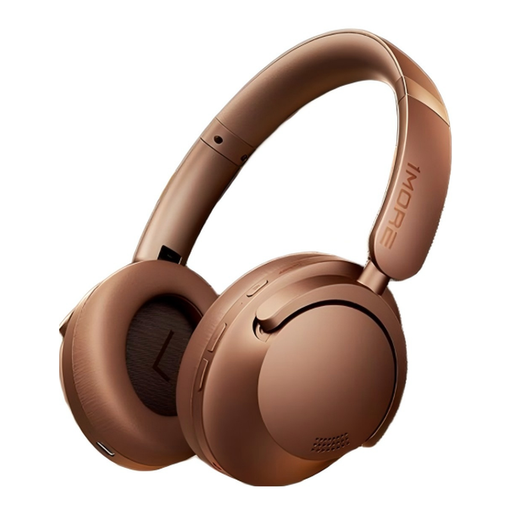 No image available
An ANC option if you want to reduce background noise while listening; check the fit and sound with familiar jazz recordings.
The product details list 40 mm drivers and active noise cancellation (ANC).
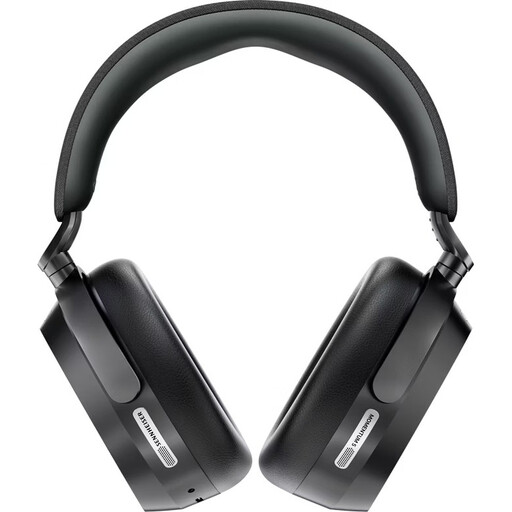 No image available
This model may be worth considering as an ANC option with an additional wired listening mode; check the fit and sound balance for jazz analysis using familiar recordings.
The product details list Bluetooth, ANC and an included 3.5 mm audio cable.
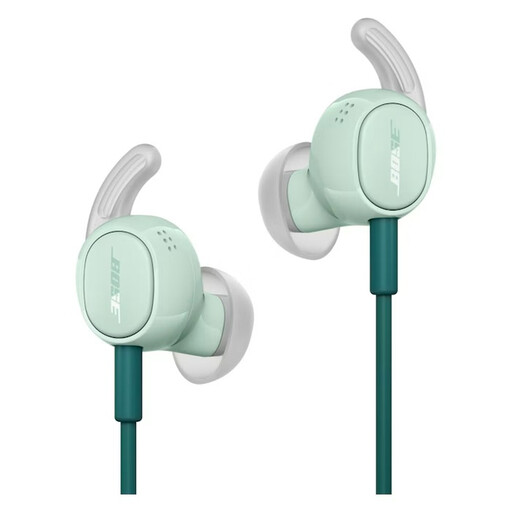 No image available
This wired ANC option is only suitable if your device supports the stated connection.
The product details list USB-C audio and a choice of ear tip sizes. Use only with compatible USB-C devices.
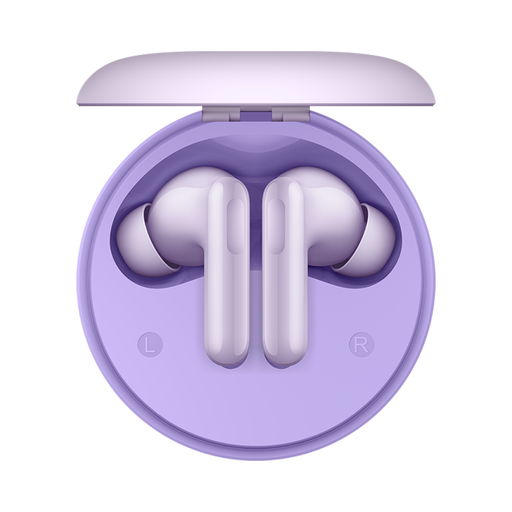 No image available
Earbuds with ANC for listening with background noise; check that they’re comfortable enough for longer listening sessions.
The product name lists a 12.4 mm driver and 42 hours of battery life. The stated noise cancellation is a product claim, not an independent measurement.
 No image available
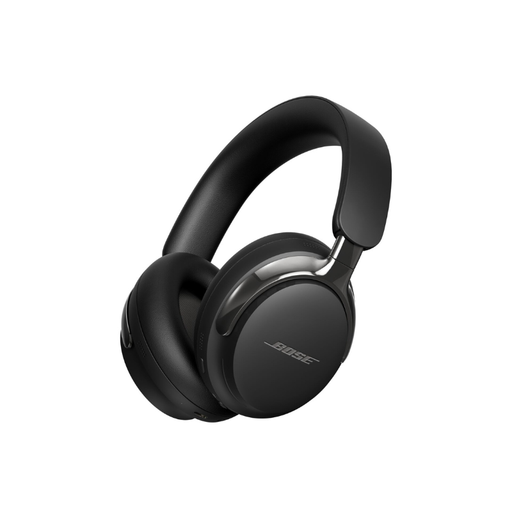
These over-ear ANC headphones, with the option to listen via a wired connection, may suit you if you want both; check the sound balance with familiar jazz recordings.
The product details list Bluetooth, active noise cancellation and a 3.5 mm audio connection.
First, check the fit and isolation, and listen at a moderate volume. The WHO recommends well-fitting or noise-cancelling headphones in noisy surroundings, and identifies volume and listening time as factors in hearing risk. Its guideline of 80 dB for up to 40 hours a week isn’t a feature of any particular product.
Check the ear pads for wear and use only a replacement set that fits your model version. Sennheiser specifies that its ear pad set is for the HD 280 PRO from 2016 onwards, and explains that worn ear pads can affect comfort and sound isolation.
For a qualifying distance contract, you generally have a 14-day right to cancel from the date of delivery; exceptions and possible return costs should be taken into account. You also have a statutory guarantee of at least two years for faulty goods bought from a trader in the EU. This is separate from any voluntary manufacturer’s warranty.
No. According to information from the European Union, CE marking is required only when the specific product falls under relevant harmonised EU rules that require it. The general product description alone isn’t enough to determine conclusively whether the requirement applies to a particular version.