Jazz listeners sharing a desk
You want to listen to musical turns repeatedly despite office noise, while keeping disruption to others to a minimum.


For listening to jazz improvisation at a busy office desk, well-fitting closed-back studio headphones are an obvious starting point if conversations and consideration for colleagues are a priority. To assess phrasing and interplay, you should also check the sound with recordings you know well; open-back models are better suited to quiet listening. Manufacturers’ claims about isolation and sound fidelity are no substitute for checking the fit or listening in your own surroundings.
You want to listen to musical turns repeatedly despite office noise, while keeping disruption to others to a minimum.
You compare phrasing, instruments and interplay, and don’t want to judge the sound solely by a manufacturer’s description.
You need a comfortable fit for longer sessions and a connection that works with your playback device.
In a busy office, closed-back models are a sensible starting point, but they won’t necessarily block out conversations. You’ll need to assess the fit and sound of the specific model.
| Buying priority | What to check | Who it matters most to |
|---|---|---|
| Isolation and consideration for others | Check the closed-back design, how the ear cushions fit and how much sound leaks at your usual listening volume. | When I listen at a shared desk, I want conversations to intrude less on what I’m hearing and to avoid disturbing others. Around 33% of consumers put isolation and low sound leakage first. |
| Musical detail | Compare familiar jazz recordings at a moderate volume, and assess instrument separation and bass emphasis on the specific model. | To follow phrasing and interplay, I want to check the sound with recordings I know well. Around 27% of consumers prioritise these sound details. |
| Fit during long listening sessions | Try them on for as long as your planned listening session and assess pressure on your ears and head, as well as how the cushions sit. | For longer sessions, it’s essential that the cushions and clamping force remain comfortable. Comfort is the top priority for around 20% of consumers. |
| Connection to your playback device | Check that the socket and plug match, and make sure the headphone and output combination provides a sufficient usable volume. | When I listen on my computer, the plug and socket need to match and the combination needs to be loud enough. Around 13% of consumers put connectivity first. |
| Replacement parts | Check which replacement ear cushions and cables are available for the exact model variant, and make sure their connections are compatible. | I want to know whether the cushions or cable can be replaced if they wear out on this exact model. Around 7% of consumers prioritise compatible replacement parts. |
How much office noise you can still hear also depends on the fit and how well the cushions seal. Bass emphasis has also been criticised on some individual closed-back models; this isn’t a general verdict on all models.
Check the fit and listen to familiar jazz passages on the specific model at your usual volume.
Open-back headphones provide less separation from your surroundings, so they won’t solve the problem of distracting conversations or sound leaking out to others.
Consider open-back models only for quiet listening when sound leakage won’t disturb anyone.
The connection and stated replaceability apply to the specific model variant; a detachable cable doesn’t mean that every part can be replaced.
Before buying, check the full model name, socket, plug and compatibility of replacement parts.
The closed-back DT 700 PRO X is a wired studio option if you want to check isolation and model-specific replacement parts.
According to the manufacturer, the closed-back ATH-M40x combines studio monitoring with a foldable design and two detachable cables.
The closed-back HD 280 PRO is a monitoring option with stated passive attenuation and replaceable ear cushions.
The closed-back K371 is another monitoring design, with a foldable construction and cushions that the manufacturer describes as isolating.
The closed-back SRH840A is a monitoring option with a detachable locking cable; the SRH1840 has an open-back design.
The following Joybuy products offer noise-cancelling headphones as an alternative priority; they aren’t automatically studio monitoring models. Check the sound and fit with jazz recordings you know well.
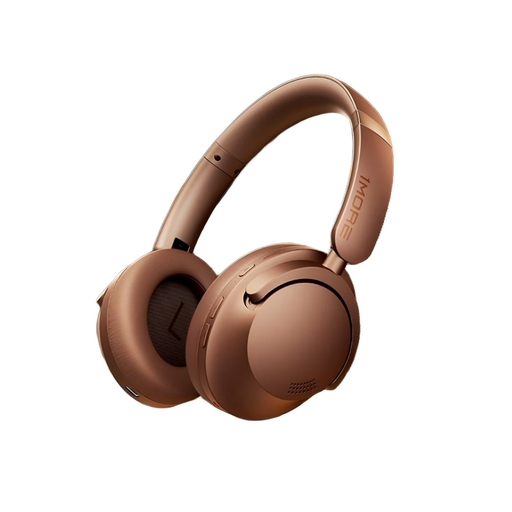 No image available
For listeners who prioritise noise cancellation; check the sound with jazz recordings you know well, too.
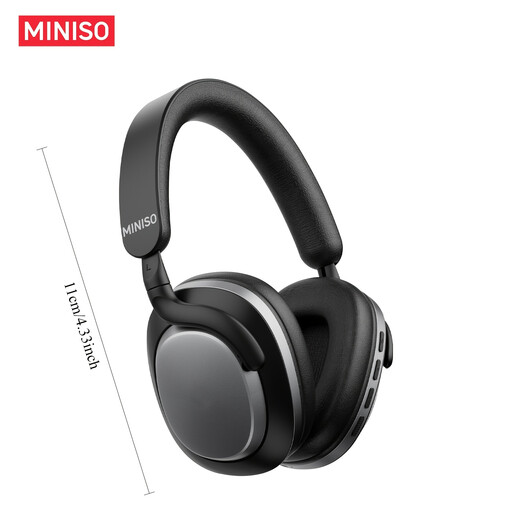 No image available
For listeners looking for noise-cancelling over-ear headphones for everyday office use; try them with your own recordings to check the fit and sound.
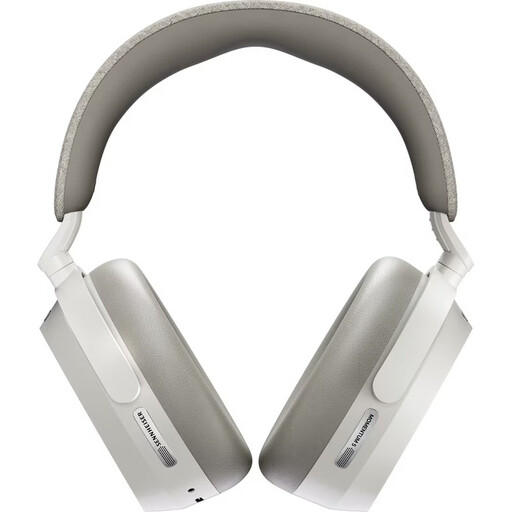 No image available
For listeners weighing up noise cancellation and the option of wired listening; check for a 3.5 mm connection and confirm what’s included before buying.
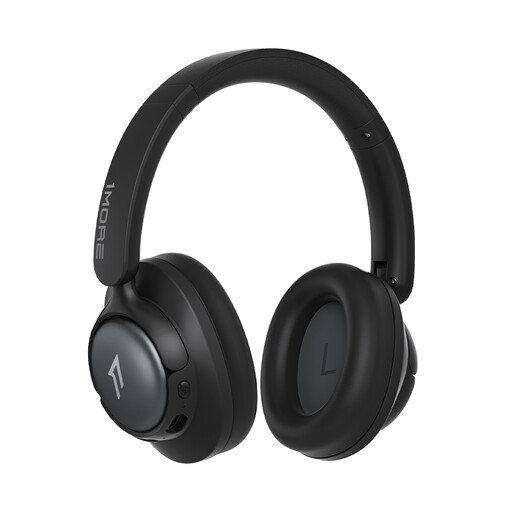 No image available
For listeners considering noise cancellation and adjustable sound presets; compare the sound with jazz passages you know well.
The product name lists a playback time of 90 hours; this figure comes from the manufacturer.
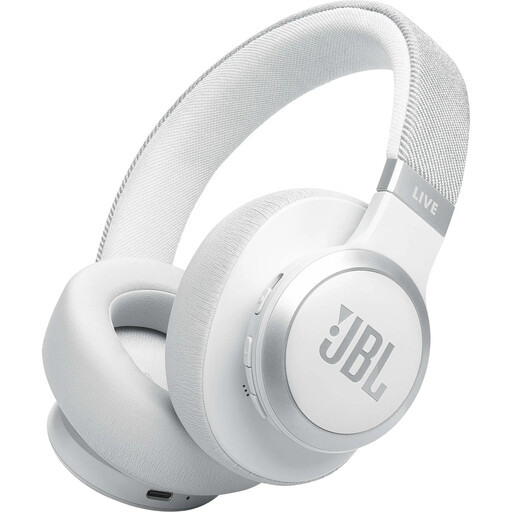 No image available
For listeners who want to switch between Bluetooth and wired listening; before buying, check that the detachable audio cable suits your device and how you listen day to day.
No. The World Health Organization recommends well-fitting or noise-reducing headphones so you’re less likely to turn up the volume in noisy surroundings. Keep both volume and listening time in mind, and take breaks; the WHO’s sound exposure examples aren’t measurements of your headphones.
No. First, check that the socket and plug match. According to Focusrite, whether the combination will be loud enough depends not only on impedance but also on the output, sensitivity and audio material; without details of your device, there’s no single impedance threshold to go by.
Check the replacement parts listed for the exact variant before ordering cushions or a cable. beyerdynamic lists the cable, ear cushions and headband cushion for the DT 700 PRO X as replaceable; Sennheiser lists replaceable ear cushions for the HD 280 PRO.
In Germany, online consumer purchases generally come with a 14-day right to cancel; you must notify the retailer that you wish to cancel. If goods are faulty, EU consumer rules give you a statutory guarantee of at least two years from the date you receive them. This is separate from any voluntary manufacturer’s warranty.
No. In Germany, waste electrical equipment must be taken to an authorised collection point, such as a local authority recycling centre. Retailer take-back schemes are subject to additional conditions.