Detail-focused live editors
You repeatedly edit takes, transitions and stereo placement, usually working in a quiet room. Neumann and Sennheiser recommend open-back models for editing and mixing.


For editing a live session at home, open-back studio headphones are better suited to a quiet room where you work alone. If you share your workspace, have background noise to contend with or are recording through a microphone at the same time, a closed-back model is the better choice. Focusrite notes that closed-back headphones can reduce sound leaking into the microphone, while open-back models offer less isolation and let sound escape. Also check how they sound with familiar material, how comfortable they are over your usual working hours, and whether the plug and headphone output are compatible with your device. Neither the headphone design nor the impedance alone guarantees neutral sound or a sufficient volume level.
You repeatedly edit takes, transitions and stereo placement, usually working in a quiet room. Neumann and Sennheiser recommend open-back models for editing and mixing.
You need to take background noise or sound leakage into account while editing, or you’re also recording with a microphone in the same room. Focusrite highlights how closed-back headphones can help reduce sound leakage.
You wear your headphones for extended periods, so fit, cushioning and replaceable parts may be important factors when choosing a pair. Sennheiser says the HD 490 PRO has replaceable, washable ear pads.
A good fit if: you work alone in a quiet room and want to assess the details of a recording.
The trade-off: they offer less isolation and let sound escape, which can be a drawback when a microphone is recording.
A good fit if: you share a desk, need to account for outside noise or record in the same room.
The trade-off: isolation also depends on the fit; closed-back doesn’t automatically mean neutral sound.
A good fit if: you work alone and want to try a semi-open design at your own desk.
The trade-off: Focusrite lists open- or semi-open-back headphones as an option for control rooms and longer sessions. Even so, check the fit and conditions in your room.
| What matters | What to check before buying | Who it matters most to |
|---|---|---|
| Editing detail | Listen alongside familiar material and watch out for pronounced bass or treble. | When I repeatedly check transitions, unwanted noise and stereo placement in a live recording, I want to compare the sound with familiar reference material. Around 36% of consumers put the ability to assess editing detail first. |
| Isolation and sound leakage | Check the closed-back design and how it fits your head. If you’re using a microphone, test for sound leakage at your usual listening volume. | If I’m working with others in the room or recording near my headphones, I want to take outside noise and sound leakage into account. Around 29% of consumers prioritise isolation above all else. |
| Comfort during long sessions | If relevant, try them on with glasses and wear them for a realistic length of time. Check that replacement ear pads are available for the specific model. | During long editing sessions, I want to see whether the headband and ear pads stay comfortable for my usual working hours. Around 21% of consumers put long-term comfort first. |
| Connection and volume | Check the plug type, socket and any supplied adapter. Compare the impedance with the specifications for the specific headphone output. | When I connect headphones to my existing audio interface, I want to know whether the plug and output are compatible and can deliver a usable volume level. Around 14% of consumers prioritise connection compatibility. |
The label alone doesn’t tell you how a particular model sounds. A HIFI.DE review criticised the Audio-Technica ATH-M50x for its pronounced bass and high clamping force.
Use comparison lists only to find potential options, then listen to critical passages alongside familiar material.
A quiet editing space isn’t the same as a room where a microphone is recording at the same time or other people are working. Open-back models offer less isolation and let sound escape.
Before choosing a design, work out whether you’ll only be editing or also recording in the same room, and whether background noise is a factor.
The volume you can achieve also depends on the specific headphone output. Focusrite also describes potential issues when using a TRRS headset plug with an output designed for stereo TRS.
Check the exact headphone variant, plug, adapter and your audio interface’s specifications.
The DT 770 PRO has a closed-back design, while the DT 990 PRO is open-back.
Neumann positions the open-back NDH 30 for editing, mixing and mastering.
The closed-back ATH-M50x is a wired monitoring option with a detachable cable.
Yamaha says the closed-back HPH-MT5 is designed for monitoring and music production at home.
Sennheiser positions the open-back HD 490 PRO as a reference headphone for production and mixing.
The closed-back MDR-7506 is a documented option for studio and broadcast use.
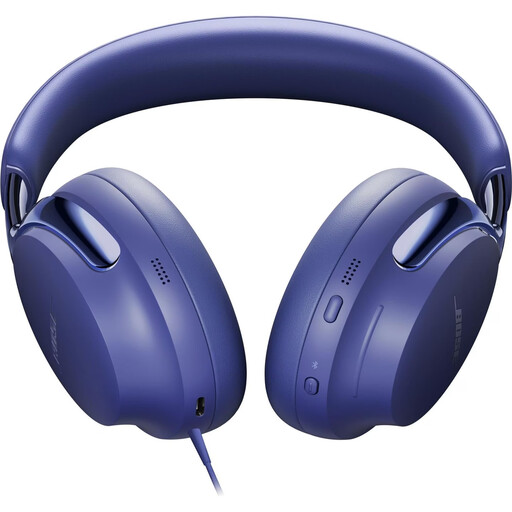
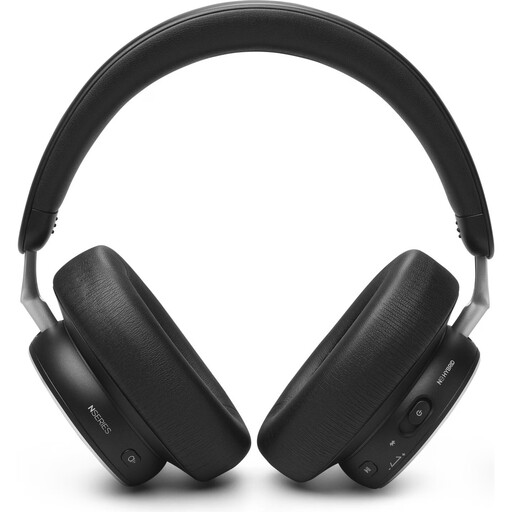
The Joybuy products below are closed-back, over-ear options that can be used with a wired connection. When editing live sessions, pay particular attention to whether each model’s sound suits your stereo references.
 No image available
The closed-back, over-ear design and wired option may be useful if you share a workspace. Check the sound with your reference material.
The product description lists an audio cable with 2.5-mm and 3.5-mm connections. A foldable design and carry case are also included.
 No image available
The closed-back design and wired option may be useful if you share a workspace. Compare the sound with stereo references you know well.
The product title lists a 3.5-mm cable option. The virtual surround output also mentioned is worth bearing in mind when making precise editing decisions about stereo placement.
Not without checking the plug type. Focusrite describes stereo TRS outputs on its interfaces; a TRRS headset plug can be wired incorrectly in these sockets and affect the sound. Check the socket, plug and, if necessary, a suitable adapter for your specific device.
No. Focusrite gives different recommendations for different interface ranges and notes that the source material and listening environment can also affect the volume you can achieve. So check the specific headphone variant against the output you have.
Keep the volume low and take breaks. The World Health Organization gives 80 dB for up to 40 hours a week as an example; at 90 dB, the stated time drops to four hours. This guidance doesn’t predict the volume level a particular headphone and interface combination will reach.
For statutory warranty claims, you generally need to contact the seller, not the manufacturer. The Verbraucherzentrale distinguishes these rights from a voluntary guarantee and says the statutory warranty period is generally two years.