If background noise is a distraction, or you need to monitor while recording with a microphone, a well-fitting, wired pair of closed-back headphones is a sensible place to start. In a quiet space, open-back headphones may be worth considering for judging stereo placement and mix detail, but they let sound out and offer very little isolation. Also check the connection, whether your monitoring source can provide enough volume, and how they feel during longer editing sessions: the design alone does not guarantee a neutral sound.
Which designs suit different users?
Loop editors focused on mixing
If you repeatedly compare stereo placement, frequency balance and detail, and can work in a quiet space, open-back headphones may also be an option. RTINGS describes open-back models as suitable for mixing and mastering, but that does not mean every model has a neutral sound profile.
Editors in shared workspaces
If background noise distracts you or you’re recording with a microphone, isolation and reduced sound leakage are important things to consider. RTINGS recommends closed-back headphones for recording situations where you want to minimise sound reaching the microphone.
Producers with limited desk space
If you switch between your computer and audio interface, or spend long hours working in a cramped space, check the plug, cable routing, fit and availability of suitable replacement parts. beyerdynamic, Audio-Technica, Sennheiser and AKG list detachable cables or replaceable ear pads for some of their models.
What should you look for when buying?
| Consideration |
What to check before buying |
Who it matters most to |
| Judging sound |
Compare the same loop sections on the model itself; don’t assume its sound profile is neutral just because of its design. |
If I want to judge balance and stereo placement while editing loops repeatedly, how the specific model sounds is what matters. Around 33% of consumers put sound decisions about loops, stereo placement and balance first. |
| Isolation and sound leakage |
Check whether the headphones are open-back or closed-back, and how they fit in your workspace. |
If noise in my workspace or sound reaching the microphone could be an issue, I want to assess how well the specific model isolates sound. Around 27% of consumers prioritise isolation and consideration for others. |
| Connection and cable routing |
Check the plug and adapter against your monitoring source; make sure the volume level and cable length work at your desk. |
If I switch between my computer and interface at a small desk, I need a suitable connection and a cable that’s easy to manage. Around 20% of consumers prioritise connection and cable routing. |
| Fit and replacement parts |
Check the clamping force and ear pads during a typical session; look for replacement parts for the exact model. |
If I spend long periods editing loops, I want a comfortable fit and to know which parts can be replaced when they wear out. Around 20% of consumers put comfort and lifespan first. |
Which buying mistakes should you avoid?
-
Assuming all closed-back headphones sound neutral for every mix
The design affects things such as isolation and sound leakage, but it doesn’t tell you how a particular pair of headphones is tuned.
Start by considering your room and recording conditions. Then compare familiar reference tracks and the same loop sections on the model itself.
-
Confusing the DT 770 PRO with the DT 770 PRO X because their names are similar
The classic DT 770 PRO is available in 32-, 80- and 250-ohm versions. The DT 770 PRO X is a separate model with 48 ohms and a detachable Mini-XLR cable.
Check the full model name, impedance and cable type against the product page for the version on offer.
-
Leaving cable length and replacement ear pads until after you buy
At a small desk, the cable needs to be easy to manage. If you use the headphones regularly, it’s also worth checking that replacement parts are available for the exact model.
Before ordering, check the cable length, what’s included and the name of the compatible replacement ear pads.
Which brands are worth considering?
beyerdynamic
The DT 770 PRO range includes closed-back versions; the DT 770 PRO X is a separate model.
- beyerdynamic lists replaceable ear pads and spare parts for the DT 770 PRO.
- The detachable Mini-XLR cable comes with the DT 770 PRO X, not the DT 770 PRO as standard. The right impedance depends on your monitoring source.
Audio-Technica
The ATH-M50x is a closed-back, wired monitor headphone.
- Audio-Technica lists a detachable cable and passive isolation for the ATH-M50x.
- The manufacturer’s description of its sound quality is not independent proof that it has a neutral sound profile for every mix.
Sennheiser
Sennheiser describes the open-back HD 490 PRO as suitable for mixing and producing in a quiet space.
- For the HD 490 PRO, Sennheiser lists two pairs of ear pads for different working styles, as well as a cable connection that can be used on the left or right.
- As an open-back model, it offers very little isolation from background noise and lets sound out.
AKG
The K702 is an open-back, around-ear studio headphone for judging a mix in a quiet space.
- AKG lists a detachable 3-m cable with a Mini-XLR connector and replaceable ear pads for the K702.
- Check that the cable length works at your small desk. Details on the UK manufacturer’s website do not automatically confirm the specification of a product listed in Germany.
Sony
The MDR-7506 is a closed-back option for studio and broadcast use.
- Sony specifies a 3-m cable for the MDR-7506.
- The long cable may need extra management in a cramped space; that doesn’t make it better than other models.
Joybuy headphones for a small desk
The following Joybuy over-ear headphones are relevant options to consider. For loop editing, check the design, connection and sound of each model in the context of your working environment.
 No image available
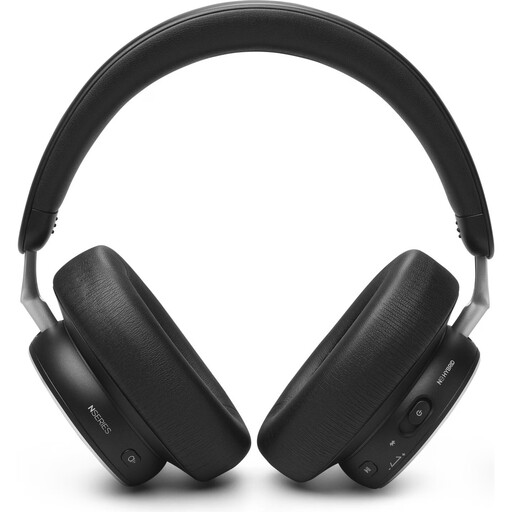
AKG N9 Hybrid over-ear headphones, Black
The closed-back design and wired 3.5 mm option are useful for working at a small desk. Check that your monitoring source can provide enough volume.
The product name lists Bluetooth 5.3, multipoint, 55 hours of battery life, 40-mm neodymium drivers, virtual surround sound and a foldable design. The product description says the cable is detachable.
Joybuy
 No image available
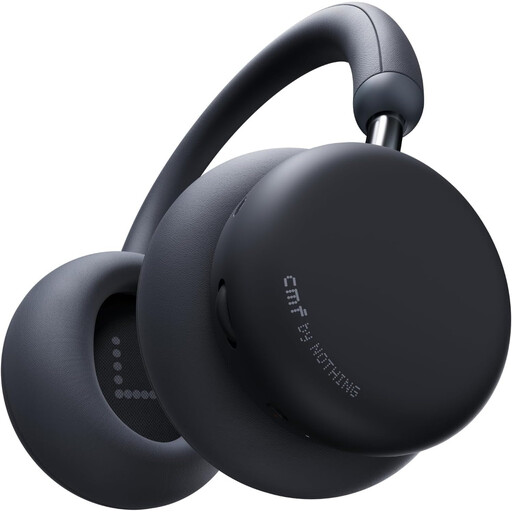
CMF Headphone Pro over-ear headphones, Dark Grey
The product description lists a closed acoustic chamber and replaceable ear pads. The design alone doesn’t guarantee a neutral sound when you’re judging your loops.
Features listed include Bluetooth 5.4, 40-mm drivers, LDAC, hybrid ANC with Adaptive Mode, up to 100 hours of battery life, fast charging and connection to two devices. Check that the connection you plan to use with your computer or interface suits your editing needs.
Joybuy
 No image available
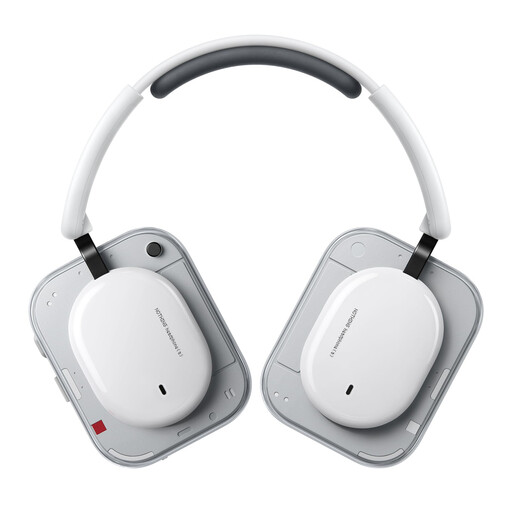
Headphone (a) wireless over-ear headphones, White
For wired listening, the product description lists 3.5 mm and USB-C connections. Check that they work with your monitoring source, and that you can manage the detachable cable neatly at a small desk.
Features listed include 40-mm drivers, LDAC, ANC, Bluetooth, a detachable 1.2-m cable and a carry case.
Joybuy
Frequently asked questions about studio headphones for loop editing
Should I choose open-back or closed-back headphones for editing loops?
If there’s background noise or you’re recording with a microphone at the same time, closed-back headphones are a sensible place to start. In a quiet space, open-back headphones may be an option if sound leakage isn’t a problem and you want to judge mix detail. Either way, check how the specific model sounds.
How do I connect headphones to my computer or audio interface?
Check the socket on your monitoring source against the plug on the exact model, and make sure you have an adapter if needed. For the 80-ohm version of the DT 770 PRO, beyerdynamic lists a 3.5-mm plug and a 6.35-mm adapter. You’ll need to check whether your device’s output provides enough volume.
How can I look after my ears during longer editing sessions?
Keep an eye on the volume and how long you listen for, and make time for breaks. The German Environment Agency warns that excessive sound, depending on its intensity and duration, can affect your hearing or cause permanent damage.
What return and faulty-goods rights apply when shopping online in Germany?
Your Europe (European Union) states that online purchases generally come with a 14-day right to cancel, starting from delivery; exceptions and return costs may apply. For faulty goods, you generally have statutory rights against the seller for at least two years. An additional manufacturer’s warranty does not replace these rights.


