What should you look for when buying?
Closed-back
A good fit when: Background noise is distracting, or you record with a microphone in the same spot. The DT 700 PRO X and ATH-M50x are documented closed-back, wired models.
Consider: Isolation doesn’t prove that percussion frequencies are reproduced accurately. Check the fit and sound leakage at your own workstation.
Open-back
A good fit when: The room is quiet and sound leakage won’t disturb anyone. Open-back headphones may also be worth considering for assessing spatial positioning. The HD 490 PRO and DT 900 PRO X are described as open-back studio models.
Consider: Open-back ear cups let sound pass through, so they won’t solve an isolation problem. Manufacturer claims about precision aren’t independent proof of how well they’ll suit your editing tasks.
Semi-open
A good fit when: The AKG K240 MKII is a semi-open option if you can check how much sound gets in and escapes at your actual workstation.
Consider: “Semi-open” doesn’t tell you exactly how much isolation you’ll get at your workstation. A German retailer lists detachable 3 m and 5 m cables for this model, which may be awkward at a small desk.
The percentages refer to consumers who have one main buying priority when editing percussion at a small desk.
| Buying priority |
What to check |
Who it matters most to |
| Assessing editing details |
Compare your own hits and transitions before and after editing at a similar, moderate volume. |
If I want to listen to edits repeatedly and compare changes, assessing the detail is my main priority. Around 33% of consumers put this first. |
| Isolation at your workstation |
Check the fit, how much background noise gets in and how much headphone sound escapes. |
If conversations mask quieter tracks or I have a microphone in the same spot, I pay particular attention to how much sound gets in and escapes. Around 25% of consumers prioritise isolation. |
| Fit and cable management |
Try the fit and check the supplied cable length, along with the availability of compatible replacement cables. |
For long sessions and limited desk space, I want a comfortable fit and a cable that’s easy to manage. Around 25% of consumers put fit and desk organisation first. |
| Connecting to your device |
Compare the socket on your specific device with the plug and supplied adaptor. |
If I want to use the headphones with my existing interface or laptop, the connection needs to be compatible. Around 17% of consumers prioritise connectivity. |
Related products at Joybuy
The following Joybuy listings include over-ear headphones with features such as noise cancelling or an audio cable. When editing percussion, check in particular that the design and connection suit your monitoring workflow.
 No image available
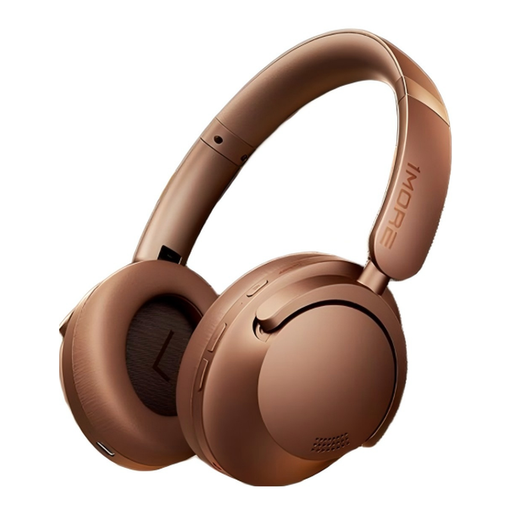
1MOREHQ51 SonoFlowPro Global, Mocha Brown
Described as over-ear headphones with noise cancelling; check that the sound suits your monitoring workflow.
The description lists ANC, 40 mm drivers and memory foam ear pads.
View at Joybuy
 No image available
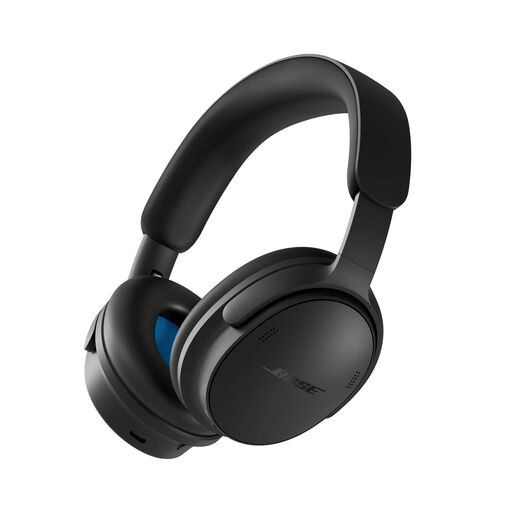
Bose QuietComfort Headphones (2nd Gen), Black
For wired listening, the product description lists an audio cable in the box; check that it matches your device’s connection.
The description lists ANC, a Quiet mode and a wider headband.
The audio cable is described as having a 3.5 mm to USB-C connection; check compatibility with the specific output you’ll use.
View at Joybuy
 No image available
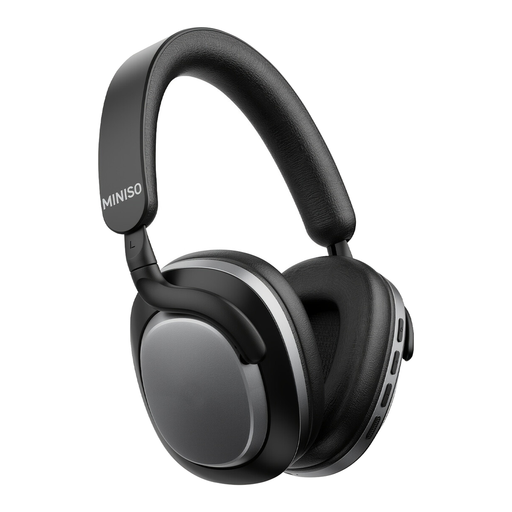
MINISO MG210 Wireless Noise-Cancelling Over-Ear Headphones, Black
Described as wireless over-ear headphones with noise cancelling; check that this design suits your editing workflow.
The description lists up to 24 hours of battery life and a lightweight design.
View at Joybuy
 No image available
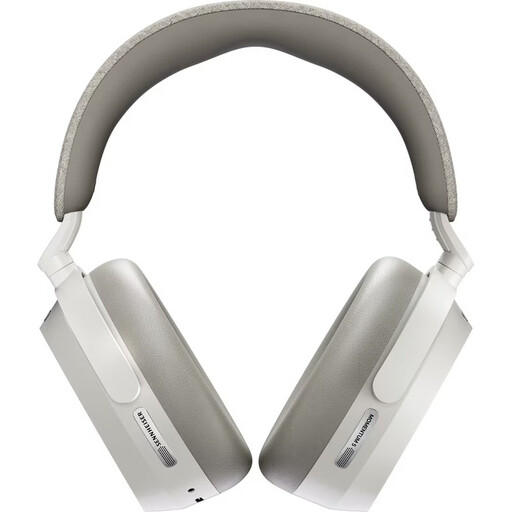
Sennheiser Momentum 5 Wireless Over-Ear Headphones, White
Described as closed-back over-ear headphones with ANC; before choosing them, check whether their documented use suits your monitoring needs.
The description lists a supplied 3.5 mm audio cable and rotating ear cups.
View at Joybuy
Frequently asked questions
How can I test headphones for editing percussion?
Listen to the same hits and edit transitions before and after editing, at a comparable, moderate volume. Avid describes fades as a way to create smooth transitions between audio clips; this is a working technique, not evidence of a headphone model’s performance.
Do I need an adaptor for my audio interface?
That depends on the specific headphone socket and the plug supplied. Focusrite lists compatible headphones or 3.5-to-6.35 mm adaptors for its 6.35 mm outputs, and warns against mismatches with TRRS microphone headsets.
What can I do if the cable or ear pads are worn?
Check for replacement parts using the exact model name: beyerdynamic lists cables and ear pads, among other parts, for the DT 700 PRO X; Sennheiser describes the HD 490 PRO ear pads as replaceable and washable. These details apply to the models named, not automatically to every product range.
How loud should I listen during longer sessions?
Listen at a moderate volume and avoid unnecessarily long exposure. The German Environment Agency warns that sound levels, duration and sound peaks can damage your hearing.
Does a manufacturer’s guarantee replace your statutory rights in Germany?
No. A voluntary manufacturer’s guarantee doesn’t replace your statutory rights against the seller if goods are faulty. Under section 438 of the German Civil Code (BGB), the limitation period for the claims concerning defects mentioned there is generally two years from delivery for goods sold; whether a specific claim applies depends on the relevant conditions.


