Editors working at a shared desk
If you’re editing percussion while other people are working within earshot, check the isolation and sound leakage of the specific model. beyerdynamic and Audio-Technica offer closed-back models in their ranges.


If other people are working at the desk, or background noise is masking quiet hits, a well-fitting, wired pair of closed-back headphones is usually the more sensible place to start. Open-back headphones may be an option in a quiet space where sound leakage won’t disturb anyone. Either way, compare familiar percussion tracks and pay attention to the fit, connection and tonal balance of the specific model.
If you’re editing percussion while other people are working within earshot, check the isolation and sound leakage of the specific model. beyerdynamic and Audio-Technica offer closed-back models in their ranges.
If you want to assess individual hits and decays, compare familiar tracks on the headphones themselves rather than relying on the ‘studio’ label alone.
If you work for long stretches, consider the fit and cable routing. beyerdynamic and AKG list replaceable ear pads for certain models.
At a shared desk, the design and fit should suit your working environment. For sound decisions, it’s also important to compare the headphones with tracks you know well.
| Consideration | What to look for | Who is this important to? |
|---|---|---|
| Isolation and sound leakage | Check the closed-back design and how the pads fit; if you work somewhere quiet, you could also consider an open-back model. | When other people are working beside me, I want to hear quiet passages without needlessly disturbing them. Around 36% of consumers put isolation first. |
| Attacks and tonal balance | Compare familiar tracks for attacks, decays and low-end detail; judge the sound of the specific model. | I want to assess attacks and decays reliably, rather than making a decision based only on a product label. Around 29% of consumers say detailed assessment is their top priority. |
| Fit for long sessions | If possible, try the clamping force and ear cups for an extended period; check that replacement pads are available for the exact model. | Headphones should be comfortable during longer editing sessions, so I can focus on the tracks. Around 21% of consumers prioritise long-term comfort. |
| Connection and cable routing | Check the output, plug, any required adapter and cable length against your setup. | I want headphones that connect properly and a cable that won’t get in the way at a shared desk. Around 14% of consumers put compatibility with their workspace first. |
The label alone doesn’t tell you how a particular model reproduces percussion. HIFI.DE notes that the tested Audio-Technica ATH-M50x has a pronounced bass emphasis.
Listen to familiar tracks on the model and, where possible, check important decisions on a second set of speakers or headphones as well.
Open-back designs offer less protection from background noise and let sound escape. At a shared desk, this can affect your work or disturb other people.
Choose an open-back model only if the space is quiet and sound leakage won’t bother anyone; otherwise, compare well-fitting closed-back models.
Excessive clamping force or ill-fitting ear cups can make longer sessions uncomfortable. The plug and cable length also need to suit your workspace.
If possible, try the fit for a realistic length of time and check the connections, cable routing and availability of suitable spare parts for the exact model variant.
Depending on the model, you may need replacement ear pads, a spare cable or a connection adapter. Before buying, check what you actually need for your setup.
The DT 770 PRO, 80 Ohm, is a wired, closed-back option; the DT 990 PRO is open-back.
The wired ATH-M50x is a closed-back model with a detachable cable.
According to Yamaha Deutschland, the HPH-MT5 is a closed-back, foldable monitoring headphone.
The K271 MKII is a closed-back studio headphone with a replaceable mini XLR cable.
Sony lists the MDR-7506 as a wired studio and broadcast model.
These over-ear headphones from Joybuy list noise cancellation in their product descriptions. For percussion editing, check the sound against familiar tracks and make sure the connection works with your setup.
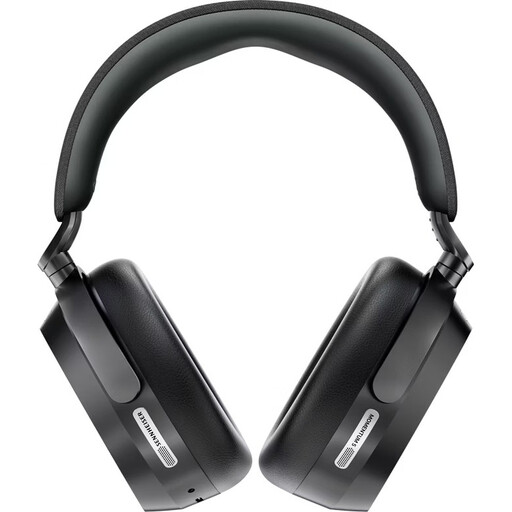 No image available
The closed-back over-ear design and wired playback may be useful for checking mixes at a shared desk; compare the sound with familiar percussion tracks.
The product description lists ANC, Bluetooth 5.4 and an audio cable with a 3.5 mm connection.
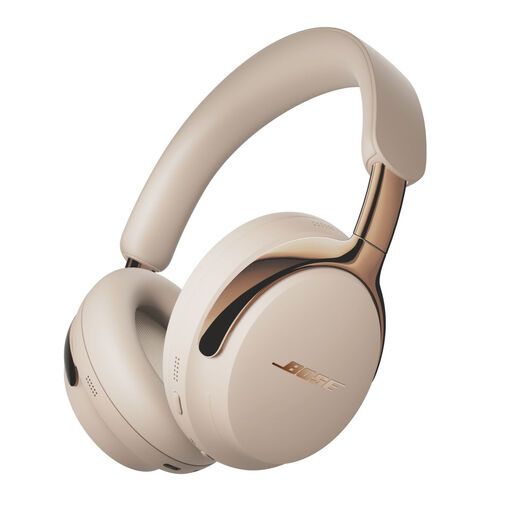 No image available
The product description lists a closed-back design and wired playback; for editing, check that the sound and fit meet your needs.
Listed features include ANC, USB-C audio and a 1.1 m headphone cable with a 2.5 mm audio connection.
 No image available
The listed over-ear design and ANC may be useful when working in a noisy environment. Assess attacks and decays using your own tracks.
The product description lists Bluetooth 5.2, 40 mm drivers, memory foam ear cups and an adjustable fit.
Yes, if the space is quiet and sound leakage won’t disturb anyone. If other people are working at the same time or background noise is a problem, a well-fitting closed-back model is the more obvious place to start; that doesn’t rule out open-back headphones altogether.
Check the output on your computer or audio interface against the plug on the specific model, and see whether you need an adapter. Plan the cable route at your shared desk and check whether replacement ear pads or a spare cable would be useful.
Listen at a low volume and take breaks. The World Health Organization (WHO) points out that volume, listening time and frequency all contribute to risk; this doesn’t guarantee that a particular volume is safe with a specific pair of headphones.
According to EU information, online purchases from a trader generally come with a 14-day right to cancel, starting from delivery; exceptions and rules on return costs should be taken into account. If goods are faulty, you have statutory rights for a minimum of two years from receipt. This consumer information describes EU rules and isn’t a substitute for checking the terms of your specific case.