Critical restoration listeners
You compare the original with the processed version to assess residual noise, quiet details retained from the recording and possible damage caused by denoising.


For a noticeably noisy or shared workspace, a well-fitting pair of closed-back studio headphones is usually the better choice. In a quiet room, an open-back model may also work well. Compare unprocessed and denoised sections at the same playback settings, listening not only for residual noise but also for quiet details in the recording and any new artefacts. Also check the fit, connection and cable routing at your standing desk.
You compare the original with the processed version to assess residual noise, quiet details retained from the recording and possible damage caused by denoising.
You work on tape recordings alongside audible sources of noise or other people, and want to take background noise and sound leakage into account while listening.
You listen to longer sections repeatedly and want to assess the fit, ear pads and cable routing, including when you change your desk height.
A better fit if: Conversations, fans or other noises could mask quiet details, or you want to limit sound leakage to other people.
Trade-off: How well they isolate you also depends on the fit of the ear pads. A tight fit may feel less comfortable during longer listening sessions.
A better fit if: You mostly listen in a quiet setting and also want to assess the spatial qualities of the recording.
Trade-off: They cannot reduce background noise or sound leakage as effectively as a well-fitting closed-back model.
| Buying consideration | What to look for | Who it matters most to |
|---|---|---|
| Residual noise and artefacts | Compare the same sections before and after processing, using the same settings; listen for quiet speech or music details too. | If I want to assess whether quiet details are retained and new artefacts are introduced, an A/B comparison is my priority. Around 36% of consumers rank checking fine details as their main buying consideration. |
| Isolation at your workspace | Weigh up open-back and closed-back designs against the actual noise in your room, and check the fit of the ear pads. | If there are conversations or other sources of noise, I want to hear quiet sections without unnecessarily disturbing others at my workspace. Around 29% of consumers put isolation first. |
| Comfort and replacement parts | Assess the fit and clamping force over a realistic working period, and check that replacement ear pads are available for the exact model. | If I’m planning longer or repeated listening sessions, I want to know whether the fit works for me and whether suitable replacement ear pads are available. Around 21% of consumers prioritise comfort and replacement parts. |
| Connection and cable routing | Check the plug and any adapter against your playback device, and assess the cable route at your usual desk heights. | At my height-adjustable desk, I want to route the cable so it won’t get in the way or pull tight when I change the desk height. Around 14% of consumers focus on the connection and cable route. |
iZotope describes tape hiss as broadband noise and notes that stronger denoising can also suppress quiet parts of the signal or create audible artefacts. A headphone’s suitability for studio work does not, by itself, prove that it will let you assess restoration artefacts reliably.
Stronger noise reduction can also affect quiet details you want to keep or make new artefacts audible.
Compare unprocessed and processed sections, listening for speech and music details that have been preserved. Don’t assume that less noise automatically means a better restoration.
With audible sources of noise or at a shared workspace, an open-back design cannot limit background noise and sound leakage as effectively as a well-fitting closed-back model.
First consider your actual listening environment, then check the fit and suitability of the specific model.
The cable may get in the way or pull tight when you adjust your standing desk. Ear pads and adapters also need to match the exact model variant.
Check the connection and what’s included against your playback device, and see whether suitable replacement parts are available for the model.
Depending on the model, you may need a compatible replacement cable, an adapter or model-specific ear pads later on.
The closed-back DT 700 PRO X and open-back DT 900 PRO X are designed for different listening environments. For choosing where to use them, the design matters more than any blanket judgement about the brand.
The ATH-M40x is a closed-back, foldable, wired monitor headphone. Isolation, fit and compatible replacement parts are all worth considering when choosing.
The open-back HD 490 PRO is an option for a quiet listening space, particularly if interchangeable ear pads are a factor in your choice.
The closed-back HPH-MT5 is an option where the stated cable length is worth checking against the cable route at your standing desk.
For the MDR-7506, the adapter specified by the manufacturer is relevant when checking the connection.
The following Joybuy models are over-ear headphones that may allow a wired listening comparison, depending on the model. Check the connection and operating modes of the specific variant; active noise cancellation alone is no proof of neutral sound reproduction.
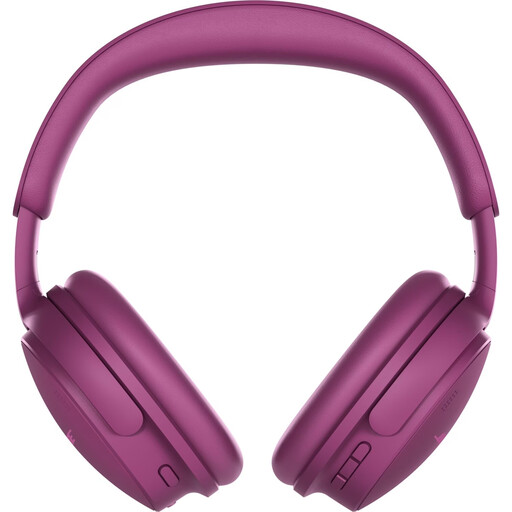 No image available
For a wired listening comparison, the supplied audio cable is relevant according to the product details. Check that its connection is compatible with your playback device.
Bluetooth 5.3; stated battery life of up to 24 hours; active noise cancellation; listed 3.5 mm to USB-C audio cable.
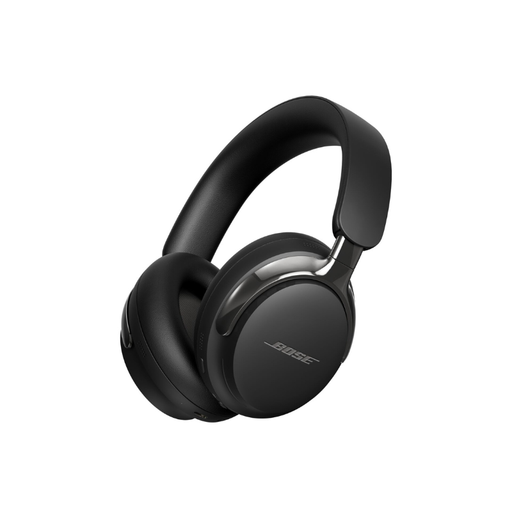 No image available
The product description lists an audio cable for a wired comparison. Check beforehand that the connection is compatible with your playback device.
Bluetooth; active noise cancellation; listed 3.5 mm connection and audio cable.
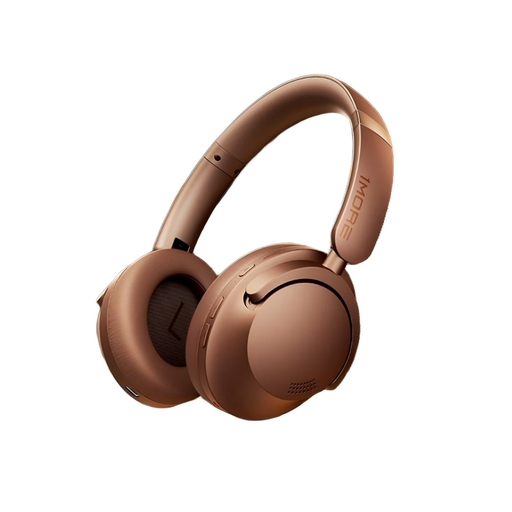 No image available
For longer listening sessions, the described memory foam ear pads and adjustable fit may be worth considering. For a wired comparison, check the connection options on the specific variant.
Bluetooth; active noise cancellation; 40-mm drivers.
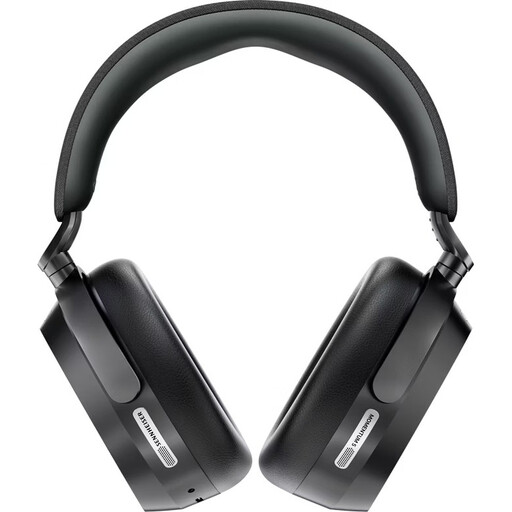 No image available
The stated closed-back design and 3.5-mm audio connection are relevant for a wired listening comparison. Check the connection path against your playback device.
Bluetooth 5.4; active noise cancellation; closed-back design; stated battery life of up to 57 hours; replaceable battery according to the product name.
No. Compare unprocessed and processed sections, listening for quiet details in the signal and new artefacts as well as the remaining noise. iZotope describes tape hiss as broadband noise and notes that stronger denoising can suppress the wanted signal or create audible artefacts.
Check that your playback device’s headphone connection matches the plug and any adapter supplied with the specific model. Check the cable route at your usual working heights too, so it doesn’t pull tight or get in the way when the desk moves.
Don’t simply turn up the volume to hear quiet noise over background sounds. Germany’s national health portal, gesund.bund.de, warns that prolonged exposure to loud sound can damage your hearing. This does not tell you what a safe volume setting is for your device.
For standard online purchases by consumers in the EU, there is generally a 14-day right of withdrawal; exceptions and the exact start of the period should be taken into account. Goods are also covered by at least two years of statutory legal protection under EU rules. This is separate from any additional voluntary manufacturer’s guarantee.