Anyone comparing mixes on a noisy train
You want to hear changes while travelling without simply turning the volume up to overcome the train noise. A comfortable fit and good isolation are especially important to you.


For comparing mixes on the train, well-fitting closed-back headphones are a sensible starting point: they provide passive isolation and let less sound escape than open-back models. Choose over-ear headphones for longer listening sessions, or more compact on-ear headphones if space in your bag matters more. Check important sound judgements again later in a quiet environment.
You want to hear changes while travelling without simply turning the volume up to overcome the train noise. A comfortable fit and good isolation are especially important to you.
You want to compare mix changes provisionally on the go, then check any critical sound decisions later in a quieter environment.
You take your headphones with you regularly and consider their size, comfort, cable and replaceable parts.
First, check that the headphones provide enough isolation in the kind of train environment you usually travel in. Then consider comfort, the limits of judging a mix on the go, and the right connection.
| What matters | What to check before buying | Who is this important to? |
|---|---|---|
| Train noise and sound leakage | Check that the headphones are closed-back, how the ear pads fit, and how much sound leaks out at a moderate volume. | If I want to compare quiet mix details despite the train noise, I don’t want to simply turn the volume up. Around 36% of consumers put isolation first. |
| Judging mix changes | Compare the same parts of each mix at a similar volume, then revisit important judgements in a quiet setting. | I want to spot differences between mix versions while travelling, but I’d rather make important sound decisions after checking them again somewhere quiet. Around 29% of consumers have this as their main priority. |
| Fit and size | Try them on with your own glasses and wear them for as long as you expect to on a journey; check whether the specific version folds up. | For regular journeys, I need headphones that are easy to take with me and comfortable to wear for longer periods. Around 21% of consumers put portability and fit first. |
| Connection and practicality | Check your device’s socket, whether you need an adapter and what’s included in the box; look for replacement cables and ear pads for the exact model. | I want to connect my headphones to my playback device and replace worn parts when needed. Around 14% of consumers prioritise this kind of connection and repairability. |
In a train carriage, their limited isolation can obscure the very differences you want to compare.
Choose headphones to suit the conditions you’ll actually be listening in, and plan to check your work again later in a quiet environment.
Reducing distracting noise can make it easier to listen at a lower volume, but it doesn’t prove that any particular ANC model is a suitable reference for final mix decisions.
Consider noise reduction separately from which mix judgements you should check again later.
A detachable cable or compatible plug doesn’t necessarily mean the headphones will connect to your playback device without an extra part, or stay comfortable throughout your journey.
Check your device’s socket, the cable included and how the headphones feel before you decide.
beyerdynamic describes the closed-back, wired DT 700 PRO X as headphones for monitoring and mixing. An independent review by kopfhoerer.de also covers mixing and editing on the go.
Audio-Technica describes the ATH-M50x as monitor headphones for studio use and on the go, and notes that they offer passive isolation.
AKG describes the K371 as closed-back, foldable over-ear headphones for studio work and mobile use.
Sennheiser describes the HD 25 as closed-back on-ear headphones for monitoring in noisy environments.
The products below are designed to reduce noise when listening on the go. ANC and a closed-back design alone don’t make headphones a studio reference for final mix decisions.
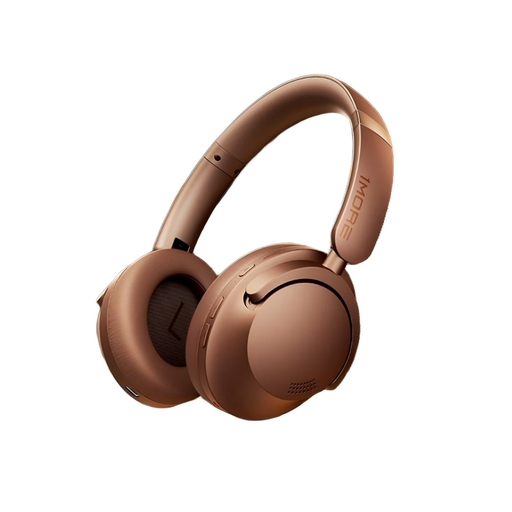 No image available
For train journeys where noise reduction on the go is the priority; this doesn’t mean they’re proven to work as studio monitors.
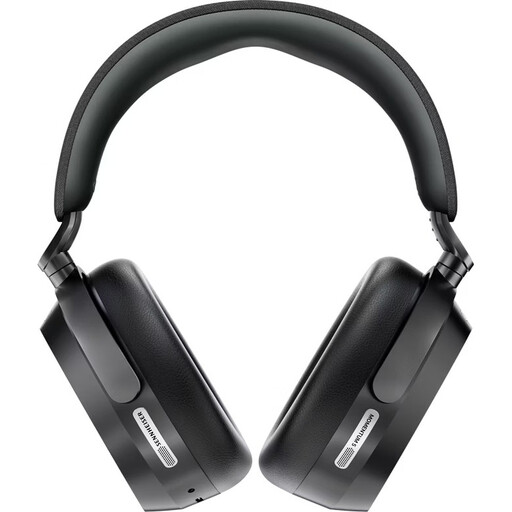 No image available
For listening on the go when noise reduction matters; the features don’t replace checking your work in a quiet environment before making final mix decisions.
Closed-back design; ANC with 8 microphones; Bluetooth 5.4; up to 57 hours of battery life; replaceable battery.
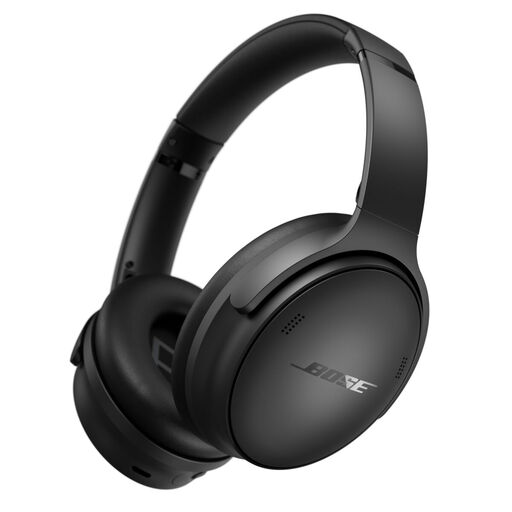 No image available
For listening on the go when noise cancellation matters; the product name doesn’t prove they’re suitable as studio reference headphones.
Wireless noise-cancelling headphones.
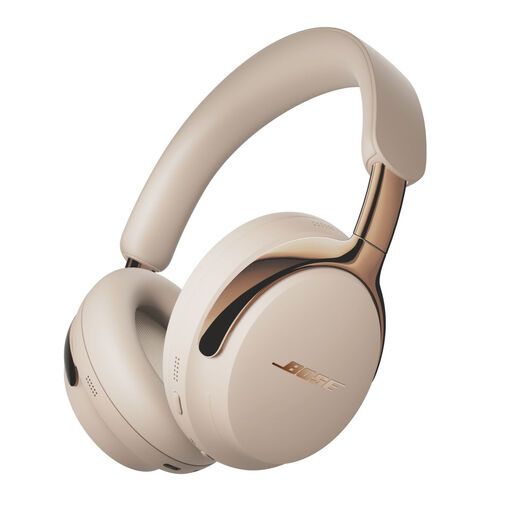 No image available
For train journeys where noise reduction is the priority; this doesn’t mean they offer reference-quality sound for mix decisions.
 No image available
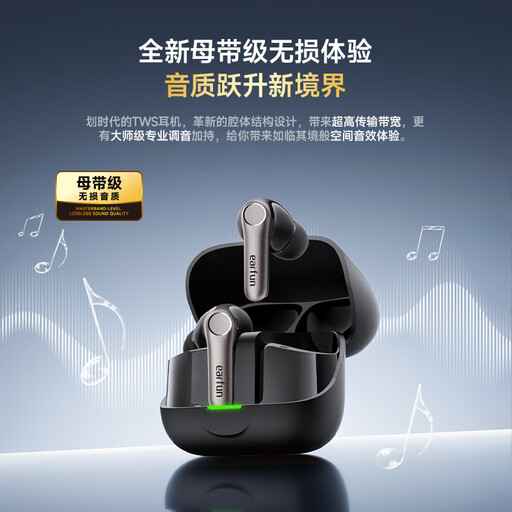
For train noise and a personalised fit, if in-ear earbuds are right for you. They aren’t over-ear studio headphones for checking mixes.
Bluetooth 6.0; up to 54 hours of playback time; IP55.
Open-back headphones aren’t an obvious choice as your only listening option in a noisy carriage, as they do little to block out surrounding noise. Sound On Sound describes open-back designs as the preferred option when the listening environment allows; use your train journey for provisional comparisons and check important decisions again later in a quiet setting.
No. The World Health Organization recommends well-fitting or noise-cancelling headphones so you don’t have to listen as loudly in noisy surroundings. This is advice on safe listening, not a statement about the suitability of any particular model for mixing.
Check your playback device’s socket and what’s included with the specific version of the model. For the DT 700 PRO X, beyerdynamic lists detachable cables and available ear and headband pads; make sure any replacement parts are compatible with this exact model.
According to Deutsche Bahn, listening to music loudly, even through headphones, is not welcome in the quiet zone. This is the operator’s guidance for that area, not a general ban on headphones in Germany.
For a consumer purchase from a business seller in the EU, you’re entitled to a legal guarantee of at least two years from the date you receive the goods; the seller is responsible for handling these claims. This is separate from any additional manufacturer’s warranty. This information about EU purchases is provided by Your Europe, the European Union’s consumer portal.