Picking out bass notes
If you’re listening to short sections repeatedly, you’ll want to be able to distinguish individual notes. A pronounced bass response doesn’t automatically mean you’ll be able to judge them accurately.


For transcribing bass at a campsite, closed-back headphones are a sensible place to start if background noise is masking quieter passages. To find out whether the bass tuning and fit make it easier to pick out the notes, try a recording you know well. Also check that the cable and plug are compatible with your audio source, and that the headphones are easy to carry. A frequency-range specification alone won’t answer these questions.
If you’re listening to short sections repeatedly, you’ll want to be able to distinguish individual notes. A pronounced bass response doesn’t automatically mean you’ll be able to judge them accurately.
If you can hear other activity around you, a well-fitting pair of closed-back headphones is worth considering. Turning up the volume isn’t a good substitute for reducing background noise.
If you regularly pack away your headphones and audio source, make sure the connection, cable length and packed size suit your particular set-up.
| What matters | What to check before buying | Who it matters most to |
|---|---|---|
| Distinguishing individual bass notes | Listen to familiar bass passages on the specific model; don’t decide based on the stated frequency range alone. | If I want to pick out a bass line note by note, hearing familiar passages is essential. Around 28% of consumers say distinguishing bass notes is their main concern. |
| Reducing background noise | Check the closed-back design and how the ear pads fit; don’t assume the manufacturer’s noise attenuation claims guarantee the same result for your ears. | If conversations or other activity are masking quieter sections, I want to reduce the noise rather than turn up the volume. Around 22% of consumers prioritise isolation. |
| Connection and portability | Check the audio output, any adapter you’ll need, cable length and packed size against your device and workspace. | If I work on the go with a particular audio source, the plug and cable routing need to suit my set-up. Around 22% of consumers prioritise mobile connectivity and portability. |
| Comfort during longer listening sessions | If possible, wear them for a while and assess the pressure from the headband and ear cups. | If I listen to short sections repeatedly, I want a fit that stays comfortable during longer listening sessions. Around 17% of consumers prioritise long-term comfort. |
| Maintenance and replacement parts | Check which ear pads or cables can be replaced on the specific model; consider warranty terms separately from your statutory rights. | If future repairs or replacing parts matter to me, I want to be able to find spares for my exact version. Around 11% of consumers prioritise maintenance and potential follow-on costs. |
HIFI.DE’s review of the Audio-Technica ATH-M50x notes a pronounced bass boost. Beyerdynamic also describes the DT 770 PRO X as having boosted bass and treble. These comments apply to specific models and aren’t a blanket judgement on every model from either brand.
Listen to familiar bass passages on the headphones you’re considering, and compare your notes with a second listening setup if needed.
Sennheiser states that the HD 280 PRO can attenuate ambient noise by up to 32 dB. The fit and your surroundings also affect how much noise you can hear while listening.
Check the fit and start at a moderate volume rather than trying to drown out background noise. The German Environment Agency warns that exposure to sound that is too loud or lasts too long can damage your hearing.
The beyerdynamic DT 770 PRO X is documented as having a detachable Mini XLR cable; the DT 770 PRO is listed with a different cable type.
Before buying accessories, check the full model name, connection and plugs supplied.
Depending on your audio source and connection, you may also need a suitable cable or adapter.
AKG lists three detachable cables in different lengths for the closed-back, foldable K371. This could be useful if the distance to your audio source varies.
The closed-back HD 280 PRO is an option if isolation and foldable storage are important to you.
The DT 770 PRO at 80 ohms and the DT 770 PRO X at 48 ohms are different closed-back models.
Audio-Technica lists a detachable cable and passive isolation for the wired ATH-M50x.
The closed-back, foldable HPH-MT5 is a monitoring option with a straight 3.0 m cable and a 3.5 mm plug.
The Joybuy products below include over-ear, in-ear and open-ear models. Match the design and connection type to your listening environment and audio source.
 No image available
An option if you’re looking for foldable over-ear headphones with a wired mode.
Bluetooth 5.0; wired mode; foldable design. The product description lists a closed-back design and passive noise cancellation. Check that the connection is compatible with your audio source.
 No image available
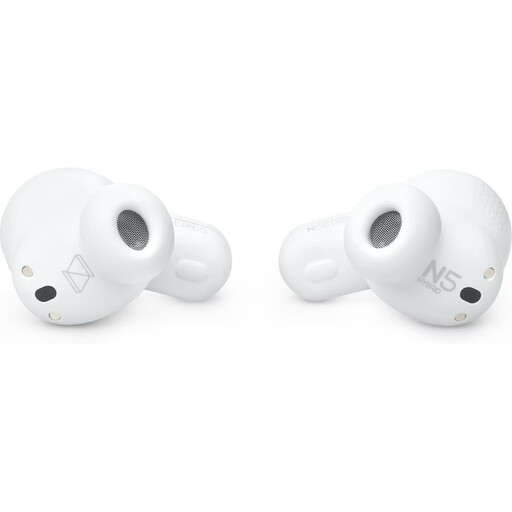
This design is only suitable for your shortlist if you specifically prefer in-ear earbuds to over-ear headphones.
True Wireless; Bluetooth 5.3; 2.4 GHz USB-C dongle; adaptive noise cancellation. Check beforehand that the connection options are compatible with your device.
 No image available
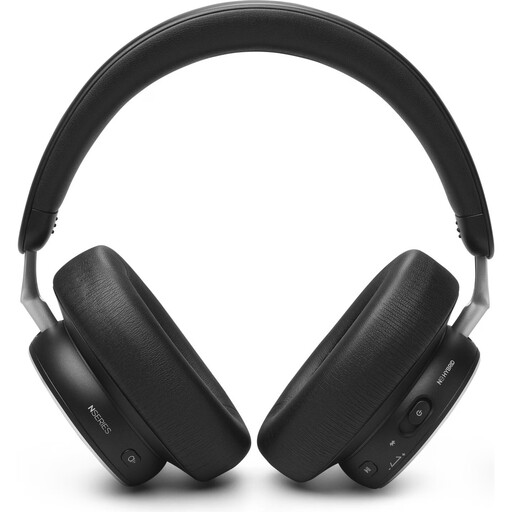
An option if you’re looking for closed-back over-ear headphones with a foldable design and a wired connection option.
Bluetooth 5.3; 3.5 mm cable option; active noise cancellation; foldable design; 55 hours of battery life according to the product name. Check the connection on your audio source.
 No image available
Consider these only if you prefer an open-ear design; they’re a different choice from closed-back headphones for passive isolation.
Bluetooth 5.0; open-ear design; wireless; translation function according to the product name.
 No image available
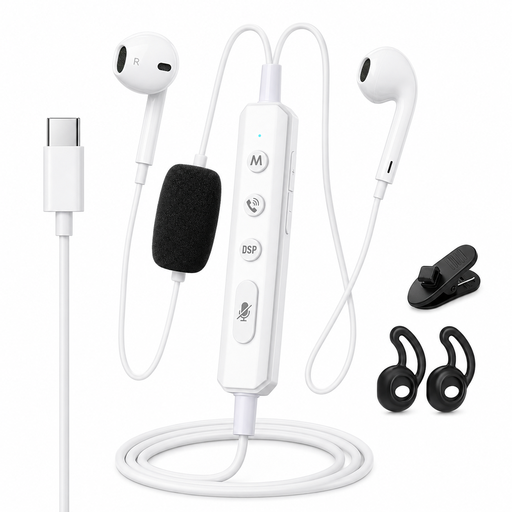
An option if you’re considering Type-C and the monitoring function listed for your set-up.
Wired; Type-C connection; real-time monitoring according to the product name. The product name also mentions a built-in Bluetooth function. Check how the connection and features will work with your audio source.
Repeat short sections and, if your playback software offers it, slow the tempo without changing the pitch. The Audacity manual describes this feature, although extreme adjustments can produce audible artefacts. Headphones alone won’t transcribe the notes for you.
That depends on your device’s audio output. Yamaha lists a 3.5 mm stereo plug and a 6.3 mm adapter for the HPH-MT5. Before buying, check the available output against the headphones and any accessories you may need.
No. The German Environment Agency warns that exposure to sound that is too loud or lasts too long can damage your hearing. Instead, check the fit and isolation, and listen at a moderate volume.
For a consumer purchase in Germany, you can exercise your statutory rights against the seller. The Verbraucherzentrale distinguishes these rights from a voluntary manufacturer’s or retailer’s guarantee, and states that the statutory warranty period is generally two years from delivery. The first step is for the seller to put things right by repairing or replacing the product.
No. The German Environment Agency explains that electrical and electronic waste must be collected separately from unsorted household waste. Use an appropriate take-back point or recycling centre.