For mixing vocal harmonies in a quiet space, open-back studio headphones are a sensible place to start. If you sing at the same desk or need to block out background noise, a closed-back model may be a better fit. Also check the fit, familiar vocal passages, plug, cable routing and the volume your particular audio output can reach. The design alone won’t guarantee a suitable sound or ensure that spatial decisions translate to other listening setups.
Who are the different designs suited to?
Mixing harmonies in a quiet room
If you’re comparing several vocal tracks and how they’re positioned in the mix without standing at the microphone, open-back headphones may be worth considering. iZotope offers guidance on mixing vocal harmonies, while AKG describes its open-back K702 as a model for listening and mixing.
Singing at a shared workspace
If you switch between recording vocals and mixing, or work alongside other people, sound leaking from your headphones and background noise are important factors to consider. Focusrite Support and Thomann explain how open- and closed-back designs differ in terms of isolation and sound leakage.
Mixing during long sessions at your desk
If you spend a long time working on vocal parts, check the fit and connection for the specific model and audio output you’ll be using. Focusrite Support explains that volume isn’t determined by impedance alone; AKG lists replaceable ear pads for the K702.
What should you look for when buying?
First, decide whether you need isolation when recording vocals. Then compare how familiar voices sound and check that the connection, fit and cable routing work for your desk.
| What to consider |
What to look for |
Who is it important to? |
| Assessing vocal detail |
Compare familiar multi-part vocal passages and, where possible, check your stereo decisions on another listening setup. |
I want to assess consonants, timing and vocal balance in familiar passages; around 37% of consumers put judging the vocal mix first. |
| Isolation when recording vocals |
Check whether you record at the same desk and whether playback leaks into the microphone during a test recording. |
If I record vocals at the same desk or background noise is distracting, I want to reduce sound leakage and distractions; around 27% of consumers prioritise isolation for this. |
| Fit during long sessions |
Check the fit and feel of the specific model; weight and ear pad details are no substitute for trying it on. |
For long sessions, I want headphones that remain comfortable throughout my working day; around 18% of consumers prioritise long-term comfort. |
| Connection and cable routing |
Check the audio output, plug, any adapter you may need and cable length against your device and desk space. |
At a small desk, I want to check the plug and cable routing against my audio output; around 18% of consumers prioritise connection and cable routing. |
Common buying mistakes
-
Treating open-back or closed-back as a verdict on sound quality
The design mainly determines how much sound is blocked and how much escapes. It doesn’t tell you whether you’ll like the sound profile for vocal harmonies.
First, work out whether you’ll be recording vocals and how quiet your listening space is. Then compare familiar recordings on the specific model.
-
Deciding on stereo width using headphones alone
Sonarworks explains that the sense of space you get from headphones can differ from listening on speakers.
Where possible, check important decisions about vocal balance and spatial placement on another listening setup too.
-
Focusing only on impedance and overlooking the plug or cable
Impedance alone doesn’t reliably predict the volume your particular audio output can reach. A long cable can also be awkward to manage on a small desk.
Check the output, plug, adapter and cable length against your device and the space available.
Key brands to consider
beyerdynamic
The DT 900 PRO X and DT 700 PRO X represent open-back and closed-back designs respectively.
- beyerdynamic lists 48 Ω and detachable cables for both PRO X models, and spare parts for the DT 900 PRO X.
- The open-back DT 900 PRO X blocks less sound than the closed-back DT 700 PRO X. The manufacturer’s claims about sound quality are not independent measurements.
Sennheiser
Sennheiser describes the open-back HD 560S as suitable for analytical listening and comparing recordings.
- Sennheiser lists 120 Ω and a detachable cable.
- The open-back design offers little isolation near a microphone. Claims about precision and comfort come from the manufacturer and are no substitute for trying the sound and fit for yourself.
AKG
AKG describes the open-back K702 as headphones for listening, mixing and mastering.
- AKG lists 62 Ω, a weight of 235 g, a replaceable Mini-XLR cable and replaceable ear pads.
- The open-back design offers little isolation. The spatial sound reproduction promoted by the manufacturer doesn’t guarantee that every mix will sound the same on other listening setups.
Audio-Technica
The closed-back ATH-M50x is a monitor model for situations where passive isolation is useful.
- Audio-Technica lists a detachable cable and passive noise isolation.
- These features don’t prove that the sound profile will suit every vocal mix. Weigh the benefits of isolation against your own listening and comfort preferences.
Yamaha
Yamaha describes the closed-back HPH-MT5 as suitable for studio monitoring and music production at home.
- Yamaha lists foldable ear cups, a weight of 250 g and a 3-m cable with a 6.3-mm adapter.
- You may need to manage the cable carefully on a small desk. Claims about sound and comfort come from the manufacturer.
Joybuy products on this topic
These Joybuy products are headphones relevant to this topic. Before buying, check that the design, connection and listed features suit your mixing and recording space.
 No image available
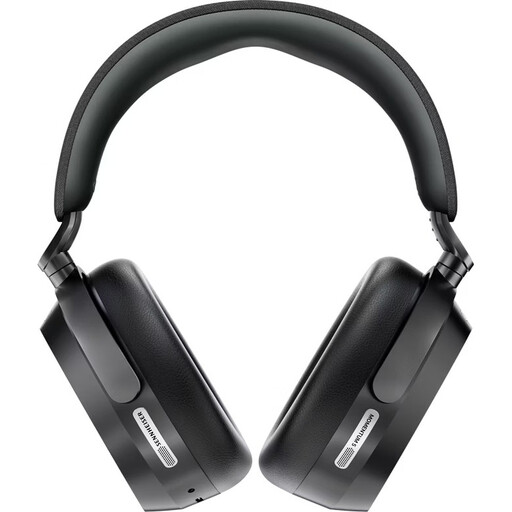
Sennheiser Momentum 5 Wireless, Black
The closed-back design may be worth considering if you need isolation when recording vocals; check that the listed wireless connection suits your workflow.
Closed-back design; Bluetooth 5.4; active noise cancellation; Dolby Atmos; up to 57 hours of battery life; replaceable battery; 8 microphones.
Joybuy
 No image available
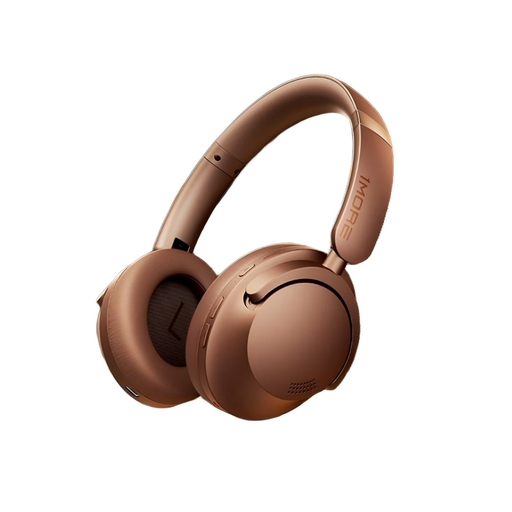
1MOREHQ51 SonoFlowPro Global Mocha Brown
If you’re considering this model for vocal harmonies, check that its listed design and connection work with your microphone and audio output.
Joybuy
Frequently asked questions
Can I use the same open-back headphones for mixing and recording vocals?
Open-back headphones may suit mixing in a quiet space. If you sing into a microphone while wearing them, consider a closed-back model to reduce sound leakage; check the result with a short test recording.
Is the Ohm rating enough to predict the volume I’ll get from my audio interface?
No, impedance alone isn’t enough. Focusrite Support also lists headphone sensitivity, the source material and the output stage as factors. Check the plug and the volume you can reach with your actual equipment, rather than relying on a general Ohm threshold.
How can I avoid listening unnecessarily loudly when editing lots of vocal tracks?
Listen at a moderate volume and take the length of your session into account. The German Environment Agency warns that excessive sound levels and exposure duration can damage your hearing; no headphone model can provide a safe volume setting for everyone.
What are my rights if I buy online in the EU and the headphones don’t fit or are faulty?
For a typical distance purchase from a trader in the EU, you generally have 14 days from delivery to withdraw from the contract; exceptions and possible return costs may apply. If the product is faulty, you have separate statutory rights against the seller, with a minimum two-year period applying across the EU. A voluntary manufacturer’s guarantee is separate from these rights.


