
Lieferung heute & morgen

Qualitätsgarantie

Willkommens-Angebote freischalten: KOSTENLOSE Lieferung | Bis zu 80 % RABATT | Kostenlose 30-Tage-JoyPlus-Testphase
App herunterladen
The selection of styling combs is vast, but not every model delivers on its promise. The wrong comb won't just complicate your styling routine—it can even cause hair damage. Many users invest in products that quickly become unusable due to poor materials or an unsuitable design. This guide will help you identify the crucial features and make an informed choice.
Before you make a decision, it's important to be aware of common problems that often only become apparent after the purchase.
To avoid these pitfalls, you should focus on two central aspects: the material and the construction of the teeth. These factors determine a comb's durability and functionality.
The material has a direct impact on handling, durability, and its effect on your hair.
The arrangement and shape of the teeth must match your hair and your styling goals.
Here are some recommendations tailored to specific needs and user profiles.
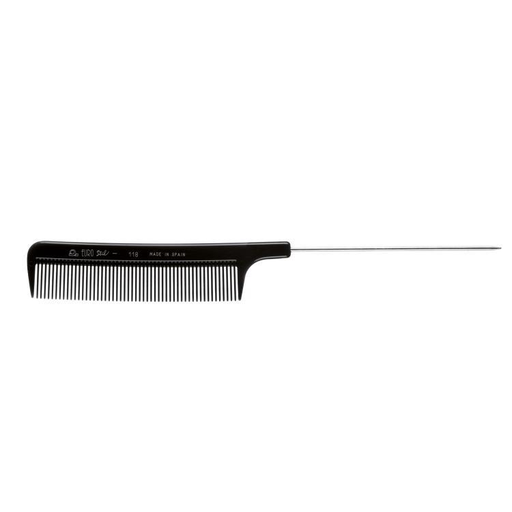
Why This Fits Their Persona: Ideal for hairstylists or discerning home users who need a tool for precise sectioning during colouring, cutting, or creating updos. The pintail comb is a standard tool in professional salon supplies.
This is a specialised tool that avoids the "one-size-fits-all" trap. The combination of nylon and a metal tip is designed for continuous use and is more resilient than simple plastic combs.
The metal tail allows for exact work. The nylon material is flexible yet robust.
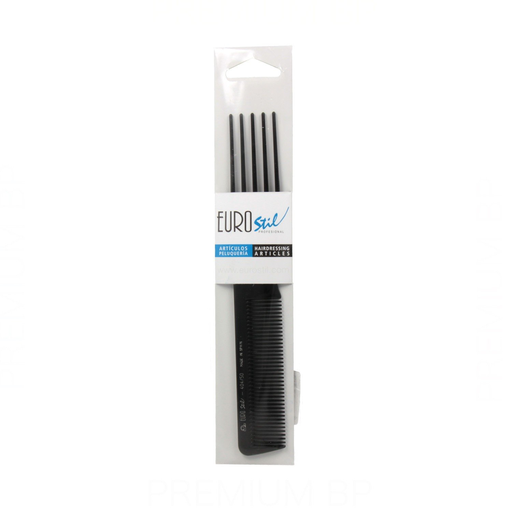
Why This Fits Their Persona: Specifically for those with Afro-textured hair or very dense curls. This Afro pick lifts hair at the root to create volume and detangles without disrupting the curl pattern.
It solves the problem of using the "wrong tooth shape." A standard comb would tear apart curls and cause frizz. The five sturdy, wide teeth are designed specifically for this hair type.
Creates volume at the roots and defines curls. The sturdy construction ensures durability.
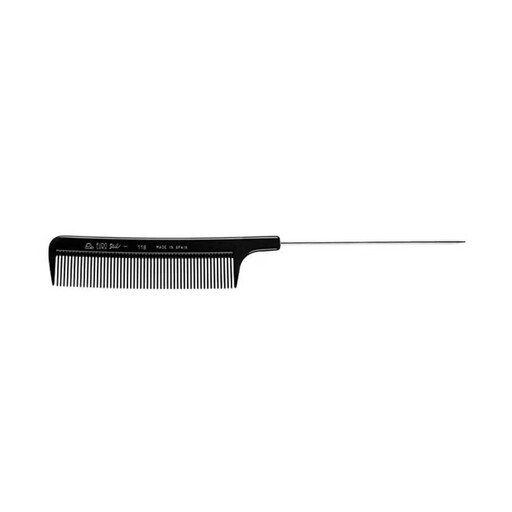
Why This Fits Their Persona: A versatile wide-tooth comb for daily use. Especially suited for gently detangling wet hair after a shower or thick, knot-prone hair to minimise breakage.
The high-quality nylon material is more break-resistant than cheap plastic. The wide-tooth design actively prevents the hair breakage caused by using unsuitable combs on wet hair.
Reduces tugging and hair breakage. Suitable for wet and dry hair, as well as for distributing conditioning treatments.
We have compiled a complete, up-to-date list of products that meet these strict selection criteria and applicable regulations, including compact models for on-the-go use.
1. How do you properly clean professional hair combs? For personal use, it's sufficient to regularly remove hair from the comb and wash it with warm water and mild soap. In a professional salon setting, disinfection with a suitable agent is required after cleaning to meet hygiene standards.
2. What is the best comb for hair prone to breakage? If your hair is prone to breakage, a wide-tooth comb is the right choice, ideally made from a smooth material like wood or high-quality, polished plastic. The wide teeth glide gently through the hair and loosen knots without creating excessive tension. Avoid brushing wet hair with fine-tooth combs.
3. Can you use a pintail comb for regular combing? Yes, it's possible, especially for fine and short hair. However, the primary function of a pintail comb is the precise sectioning of hair. For detangling large sections of long or thick hair, a comb with wider teeth and without a pointed tail is often more comfortable and effective.