
Lieferung heute & morgen

Qualitätsgarantie

Willkommens-Angebote freischalten: KOSTENLOSE Lieferung | Bis zu 80 % RABATT | Kostenlose 30-Tage-JoyPlus-Testphase
App herunterladen
Introducing solid foods is an exciting milestone, but it often comes with an inevitable side effect: mess. One brief moment of inattention, and the plate, along with its contents, can end up on the floor. A suction baby plate promises a solution, but not all models live up to their promise. Before you make a purchase, it's crucial to understand the common pitfalls that can lead to frustration and unnecessary expense.
Many parents invest in a plate only to find that it loses its suction after a short time or that the material absorbs odours. This guide will show you what to look for to find a functional and durable weaning plate.
The selection of toddler plates is vast, but a few common flaws can make daily life more difficult instead of easier.
To avoid the issues mentioned above, you should check three key parameters before buying. These will help you identify a functional and safe non-slip toddler plate.
The material is the most important criterion. Silicone baby plates, especially those made from food-grade platinum silicone, are a popular choice. This material is known for its durability, flexibility, and temperature resistance. Always look for the BPA-free label to ensure the material contains no harmful plasticisers. High-quality silicone is also odourless, tasteless, and resistant to staining.
The effectiveness of the suction cup depends on two factors: the design of the plate and the texture of the surface. A large, single suction base plate generally provides a stronger, more reliable grip than models with multiple small suction cups. For optimal performance, the suction cup needs a smooth, clean, and non-porous surface. On untreated or porous wooden tables, suction power can be severely compromised. Always check if the surface is suitable before use.
A good weaning plate supports a child's journey to self-feeding. Divided sections help in offering different foods separately, which can be particularly beneficial for picky eaters. The edges of the compartments should be designed so that the child can easily scoop up food with a spoon or their fingers. Another practical aspect is ease of care. Models that are suitable for the dishwasher, microwave, and even the freezer offer maximum flexibility in daily life.
Based on the criteria above, we have identified some products that are suitable for different needs.
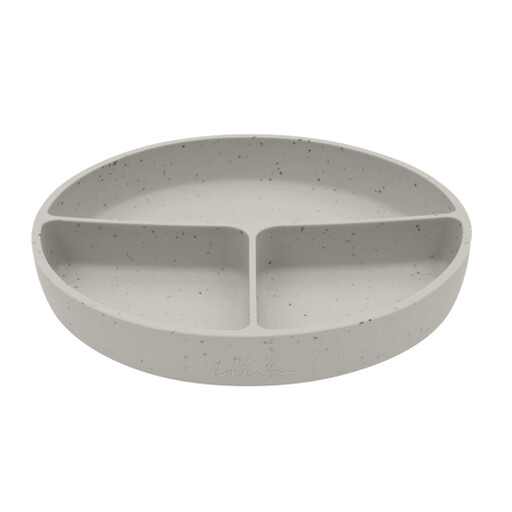
Why it's a great fit: Ideal for the first meals. The three compartments allow you to serve different purées or finger foods separately without them mixing. The neutral colour doesn't distract from the food.
The large suction base ensures a firm grip on smooth surfaces, addressing the problem of weak suction. According to the manufacturer, the material is BPA-free platinum silicone, making it a safe choice.
Temperature-resistant from -40°C to 230°C, making it suitable for the microwave, freezer, and dishwasher.
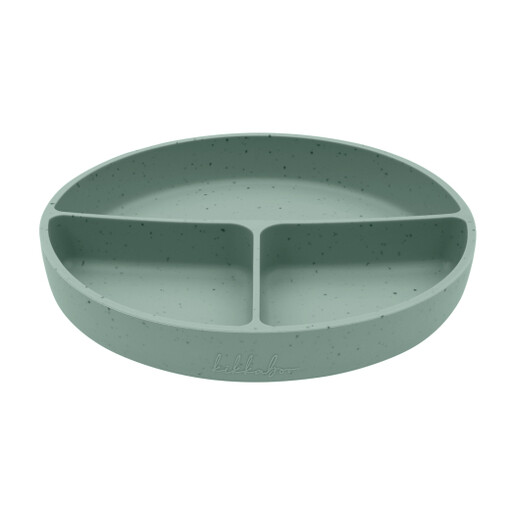
Why it's a great fit: The three-compartment design helps children recognise different foods and practise grasping and using utensils. The plate remains securely in place throughout.
The sturdy, one-piece silicone design is easy to clean and has no hard-to-reach corners. This avoids the pitfall of an impractical, difficult-to-clean design.
The soft, flexible silicone is shatterproof and gentle on the gums if the child happens to bite on it.
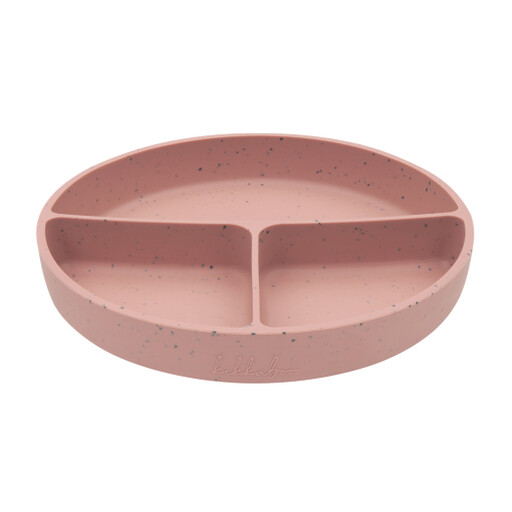
Why it's a great fit: For parents who value aesthetics even in practical, everyday items. The modern colour tone blends seamlessly into a contemporary kitchen design.
This model combines design with functionality. The high-quality silicone is odour-neutral and stain-resistant, thus bypassing the pitfall of unsuitable materials.
According to the manufacturer, the plate is suitable for sterilisers, allowing for exceptionally hygienic cleaning.
We have compiled a complete, up-to-date list of products that fully meet these strict selection criteria and EU safety regulations.
A suction baby plate adheres best to smooth, clean, and non-porous surfaces. This includes high chair plastic trays, glass, sealed wood, laminate, or polished stone. On rough or porous surfaces like untreated wood or some matte plastics, a sufficient vacuum cannot be created, which impairs adhesion.
Most silicone baby plates are dishwasher-safe, which significantly simplifies cleaning. For hand washing, warm water and a mild dish soap are sufficient. To remove stubborn odours or stains, it can help to soak the plate in a mixture of water and vinegar or to "bake" it in the oven at a low temperature (e.g., 100°C) for about an hour, according to the manufacturer's instructions.
A training plate is generally useful from the start of introducing solid foods, which is around 6 months of age. As soon as babies begin to reach for food on their own and test their motor skills, the suction cup is a great help. It prevents the plate from being accidentally or intentionally pushed off the table, ensuring more relaxed mealtimes.