If you need to stick to a strict sugar limit
You’re looking for a bar that genuinely meets the ‘sugar-free’ claim. The sugar content per 100 g is what matters here, not just the wording on the front of the pack.


If you’re specifically looking for sugar-free chocolate, check the ‘of which sugars’ figure in the nutritional information: according to Verbraucherzentrale, a product labelled ‘sugar-free’ must contain no more than 0.5 g per 100 g. ‘No added sugar’ is a different claim and allows for a higher sugar content. For longer or more intense rides, a bar like this won’t replace a carbohydrate fuelling plan tailored to your ride. An individually portioned snack bar is easier to plan for, but check its ingredients and how well you tolerate it beforehand.
You’re looking for a bar that genuinely meets the ‘sugar-free’ claim. The sugar content per 100 g is what matters here, not just the wording on the front of the pack.
You want to take a chocolatey snack with you and check how many carbohydrates and polyols the portion you eat contains. Don’t try something for the first time before or during an important ride.
You may also be looking for a vegan or gluten-free claim. The sugar content, ingredients list and ‘may contain’ information for the specific product are still separate things to check.
First decide whether the product must be ‘sugar-free’ or whether ‘no added sugar’ is enough. If you’re choosing a snack for a ride, also consider the portion you’ll actually eat and its ingredients.
| What to consider | What to check when buying | Who it matters to |
|---|---|---|
| Sugar-free claim | Check the ‘of which sugars’ figure per 100 g. Verbraucherzentrale states that ‘sugar-free’ means no more than 0.5 g of sugar per 100 g; ‘no added sugar’ refers to a different requirement. | If I’m only considering a genuinely sugar-free bar, ‘no added sugar’ isn’t enough for me. Around 29% of consumers put this sugar limit first when making their choice. |
| Type of chocolate | For no-added-sugar options, compare the sugar content and ingredients rather than assuming you can tell from whether it’s milk or dark chocolate. | I care more about a familiar chocolate taste than meeting the stricter sugar-free requirement, but I still want to know how much sugar it contains. Around 21% of consumers put this consideration first. |
| Snack for your ride | Compare the carbohydrates and polyols per portion you’ll eat. Try a new snack on an easy ride first. | I want to be able to plan a snack for the ride without finding out how well I tolerate it for the first time on a long outing. Around 29% of consumers prioritise this need. |
| Ingredients and allergens | Check the specific product’s vegan or gluten-free claim, as well as its ingredients list, sugar content and ‘may contain’ information. | A vegan or gluten-free claim helps me narrow down the options, but I still need to check for possible allergen traces. This is the main consideration for around 21% of consumers. |
The claims don’t mean the same thing. The Lindt dark chocolate bars with no added sugar described by REWE contain 1 g of sugar per 100 g, while Veganz Bio Schokolade No Added Sugar contains 0.8 g per 100 g. Both are above the sugar-free limit stated by Verbraucherzentrale.
If you need a ‘sugar-free’ product, check the ‘of which sugars’ figure per 100 g on the specific pack.
Verbraucherzentrale notes that sugar replacers can have a laxative effect in large quantities. The products described from Lindt, No Sugar Sugar and Veganz also carry relevant warnings.
Check the ingredients and the amount you’ll actually eat. Try a new product away from an important ride or on a short outing first.
Carbohydrates are an important part of fuelling for exercise. REWE also lists 47 g of fat per 100 g for the No Sugar Sugar bar, while Lindt Germany states that its no-added-sugar milk chocolate bar contains 37 g of fat per 100 g. So the sugar content alone doesn’t tell you how a bar fits into your ride fuelling plan.
Consider the carbohydrates in the portion you’ll eat, and plan your fuelling for longer or more intense rides to suit the duration and effort involved, rather than relying on a single bar.
The vegan Veganz bar listed by REWE may contain traces of almonds, hazelnuts and milk. So a vegan recipe doesn’t answer every question about possible allergen traces.
If you have a relevant allergy, read the ingredients list and ‘may contain’ information on the specific pack.
The information below relates to specific bars or snack bars from the brands mentioned, not their entire ranges.
The Lindt milk and dark chocolate bars featured here are made without added sugar.
The bitter 100 g bar described by REWE is an option if you’re specifically looking for a ‘sugar-free’ claim.
The Bio Schokolade No Added Sugar listed by REWE is for shoppers who also want a vegan and gluten-free claim for this particular product.
The no-added-sugar chocolate muesli bar is an individually portioned alternative to a chocolate bar.
The limited-edition ‘Cacao y Nada’ is a historical example of a different way of sweetening chocolate, not a current product recommendation for a ride.
This selection includes chocolate labelled ‘no added sugar’, as well as individually portioned chocolate and cereal bars. If you need a strict sugar-free product, check the sugar content on each pack. For a cycling snack, portion size and ingredients matter too.
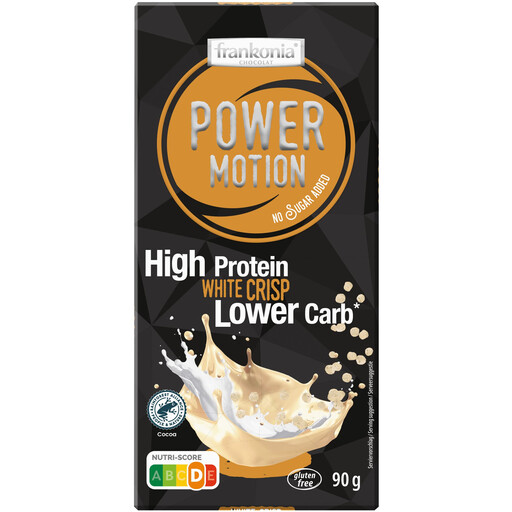 Image unavailable
This chocolate may suit you if you’re looking for a product labelled ‘No Sugar Added’, but don’t assume from the name alone that it’s ‘sugar-free’. The pack contains 90 g; compare the nutritional information and ingredients for the portion you’ll actually eat.
 Image unavailable
This 50 g chocolate snack bar is a portioned option if you’d rather take a single bar than a whole chocolate bar on your ride. The ‘Sugar Free’ label doesn’t replace checking the ‘of which sugars’ figure; also check the carbohydrates and polyols per bar.
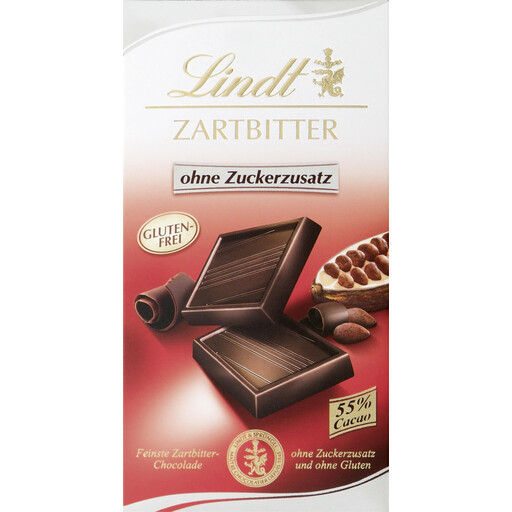 Image unavailable
This 100 g dark chocolate bar may suit you if you’re looking for a no-added-sugar option, as long as you don’t confuse that claim with ‘sugar-free’. Decide on your portion for a like-for-like comparison, and check the sugar content, other nutritional information and ingredients on the pack.
 Image unavailable
The six 20 g cereal bars are a portioned alternative to a chocolate bar for a snack on the go. For your ride, the nutritional information per bar, ingredients and allergens matter more than the ‘No Added Sugar’ wording alone.
According to Verbraucherzentrale, ‘sugar-free’ means a sugar content of no more than 0.5 g per 100 g or 100 ml. ‘No added sugar’ means that no mono- or disaccharides, or other ingredients with a sweetening effect, have been added; the product may still contain naturally occurring sugars. So compare the ‘of which sugars’ figure.
A bar isn’t a complete source of fuel for a long or intense ride just because it’s labelled sugar-free. ERNÄHRUNGS UMSCHAU describes carbohydrates as an important part of sports nutrition. Plan the portions you’ll eat and their carbohydrate content around your ride, rather than focusing only on the ‘sugar-free’ claim.
According to Verbraucherzentrale, sugar replacers can have a laxative effect in large quantities. If chocolate or snack bars contain these ingredients, be mindful of portion size and don’t try a new product for the first time on a long or important ride.
No. The claims ‘vegan’ and ‘no added sugar’ don’t replace checking for allergens. For example, the Veganz Bio Schokolade No Added Sugar listed by REWE may contain traces of almonds, hazelnuts and milk. Always follow the information on the specific pack.