Shoppers with a strict sugar-free goal
The ‘of which sugars’ figure is the key one to check. The Verbraucherzentrale (German consumer advice centre) sets a limit of no more than 0.5 g of sugars per 100 g for a product to be labelled ‘sugar-free’.


If you’re looking for cornflakes labelled ‘sugar-free’, check that they contain no more than 0.5 g of sugars per 100 g; ‘no added sugar’ alone isn’t enough. For a sweet-tasting breakfast, you can pair unsweetened cornflakes with fruit, milk or yoghurt. Check the sugar content of the whole bowl, and if necessary, the allergen information on the current pack.
The ‘of which sugars’ figure is the key one to check. The Verbraucherzentrale (German consumer advice centre) sets a limit of no more than 0.5 g of sugars per 100 g for a product to be labelled ‘sugar-free’.
You’re looking for cornflakes with no added sugar, but don’t necessarily need them to meet the sugar-free limit. So you also compare the ingredients list with the sugars figure in the nutrition information.
You want a sweet-tasting breakfast and are comparing unsweetened cornflakes with classic, sugar-coated cornflakes or other breakfast cereals. What you add to the bowl also matters when making your choice.
First decide whether a ‘sugar-free’ claim, no added sugar or a naturally sweet taste matters most to you. Then compare the nutrition information per 100 g; adding fruit, milk or yoghurt changes the nutritional content of your finished breakfast.
| Criteria | What to check when buying | Who it matters to |
|---|---|---|
| Sugar-free limit | Check ‘of which sugars’ per 100 g: the Verbraucherzentrale sets a limit of no more than 0.5 g per 100 g for a product to be labelled ‘sugar-free’. | If I’m buying cornflakes specifically because they’re labelled ‘sugar-free’, I don’t want to rely on the word ‘unsweetened’ alone. This is the top priority for around 46% of consumers. |
| No added sugar | Check the claim against the ingredients list and sugars figure per 100 g; ‘no added sugar’ doesn’t automatically mean ‘sugar-free’. | It matters to me that no sugar has been added to the cornflakes; a low sugar content doesn’t rule them out. This is the main priority for around 27% of consumers. |
| Sweet taste | Compare the sugars figure per 100 g and decide whether you want the sweetness to come from the cornflakes or from ingredients you add. | What matters most for my breakfast is how sweet the cornflakes taste on their own, so I weigh up sugared and unsweetened options. This comparison takes priority for around 27% of consumers. |
These claims answer different questions. Even cornflakes with no added sugar can contain more than 0.5 g of sugars per 100 g.
If you’re looking for a ‘sugar-free’ claim, also check the ‘of which sugars’ line per 100 g in the nutrition information.
A wholegrain claim or added vitamins won’t tell you how much sugar a product contains. Kellogg’s lists 8.0 g of sugars per 100 g for its Corn Flakes; Nestlé Cerealien lists 8.8 g for Nestlé Cornflakes and 24 g per 100 g for CINI MINIS, a different type of cereal.
Compare the sugars figures on the same basis rather than assuming a product is sugar-free from its packaging or individual ingredients.
You can’t tell whether particular ingredients or traces matter to you just from the term ‘maize cornflakes’. Recipes can also change.
If you need to avoid allergens or gluten, check the labelling on the current original pack before buying.
The details below apply to the specific products mentioned, not to a brand’s entire range. When comparing products in store, the information on the current pack is what matters.
REWE Bio unsweetened cornflakes are an unsweetened option.
EDEKA describes its organic unsweetened cornflakes as a product with no added sugar.
Alnavit organic cornflakes listed by REWE are described there as gluten-free and vegan.
Kellogg’s Corn Flakes are included here as a classic cornflake for comparison.
Nestlé Cornflakes and CINI MINIS are different types of breakfast cereal and shouldn’t be compared as if they were the same product type.
This selection compares unsweetened cornflakes with a classic option. Check the sugars figure on the current pack to see whether a product meets the sugar-free limit.
 No image available
An unsweetened option for a breakfast where you can choose how sweet it is by adding your own ingredients.
Pack size: 300 g. If you’re aiming for sugar-free, check the ‘of which sugars’ figure and, if necessary, the allergen information on the current pack.
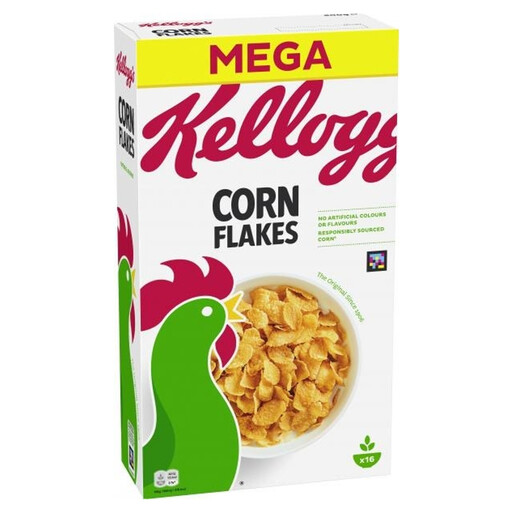 No image available
Classic cornflakes to compare if you’re weighing up a sweeter taste against a sugar-free goal.
Pack size: 500 g. Check the sugars figure and, if necessary, the allergen labelling on the current pack.
‘No added sugar’ doesn’t automatically mean ‘sugar-free’. The Verbraucherzentrale sets a limit of no more than 0.5 g of sugars per 100 g for a product to be labelled ‘sugar-free’, so check the nutrition information even for cornflakes with no added sugar.
Start by comparing the nutrition information per 100 g, especially the ‘of which sugars’ line. Figures per serving can also be useful for your bowl, but they don’t replace a like-for-like comparison. Lebensmittelverband Deutschland (the German Food Federation) makes the same point when explaining nutrition tables.
No. Maize as an ingredient alone doesn’t prove that a particular cornflake product is gluten-free. If gluten matters to you, look for a relevant claim on the product and check the ingredients and allergen information on the current pack.