
Same-day & Next-day Delivery

Quality Guaranteed

Unlock Your Welcome Offers: FREE Delivery | Up to 80% OFF | Free 30-day JoyPlus trial
Download the APP
Sugar-free drink powder can be a practical alternative to buying multipacks of ready-made drinks. Individual sachets can be mixed with water at the office, on your commute, when travelling or during exercise. Products can vary considerably, though: some are caffeine-free and vegan, while others contain caffeine, taurine or electrolytes.
If you focus only on terms such as ‘Zero’, ‘Energy’ or ‘with vitamins’, it’s easy to miss important details. Here are three common buying mistakes to watch out for:
Compare the information per 100 ml and per serving on the packaging. A sugar-free soft drink, for example, may be sweetened with sucralose or acesulfame K. If you want to avoid certain sweeteners, check the ingredients list rather than relying on the front of the pack.
Dilution also affects the flavour and nutritional values per serving. A sachet intended for 0.5 to 1 litre makes a milder drink when diluted more. For a low-calorie drink, it’s also important to check whether the manufacturer’s figures apply to the powder or the prepared drink.
A classic drink powder for taking on the go is often caffeine-free. That’s useful if you’re mainly looking to add flavour and variety to water. Energy drink powder, by contrast, is intended for adults who want to consume caffeine deliberately.
The information should be clear: according to the product details, INSTICK Energy contains around 52 mg of caffeine per sachet when mixed with 0.25 litres of water. Ready-made energy drinks such as Gönrgy or Monster often list 32 mg of caffeine per 100 ml. A 500 ml can therefore contains a very different total amount from a small serving of powder.
Caffeinated products are not intended for children or for pregnant or breastfeeding women. Anyone sensitive to caffeine should follow the guidance on the packaging. Avoid combining these products with alcohol.
Individual sachets take up little space in a rucksack, on your desk or in a travel bag. However, check the amount each sachet makes:
If you’re looking for vegan drink powder, check for a relevant label. The INSTICK Mix-Pack and the INSTICK varieties mentioned are described as vegan. If you have allergies or intolerances, always check the current packaging too, as recipes and information about possible cross-contamination can change.
For exercise, the type of product matters. A sugar-free sports drink may contain electrolytes such as sodium. That doesn’t mean every drink powder is suitable for every workout duration or level of exertion.
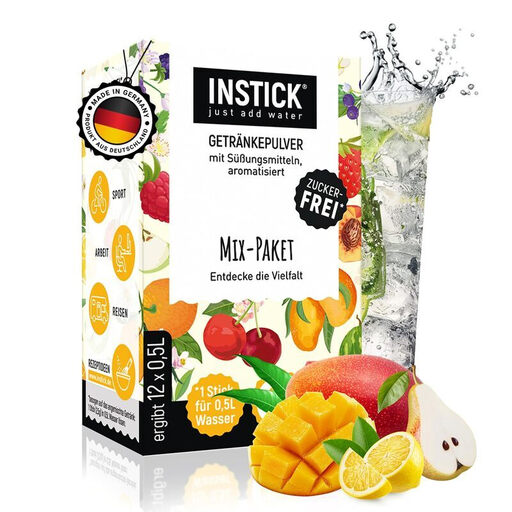
Why it suits this profile: Twelve different fruit flavours let you try a range of options without buying a large quantity of just one flavour. Each sachet is intended for 0.5 to 1 litre of water.
The product details state that it is sugar-free and caffeine-free, and that each sachet makes 0.5 to 1 litre. This lets you adjust the strength to suit your taste.
12 sachets, a vegan recipe according to the supplier, and vitamin C; suitable for still or sparkling water.
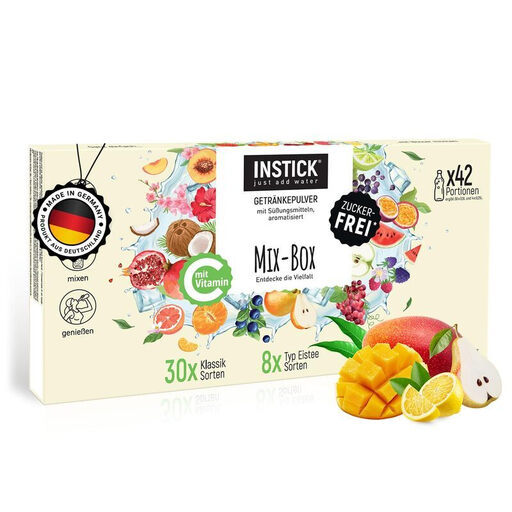
Why it suits this profile: The box contains 42 sachets across Classic, Iced Tea and Energy varieties. The different dilution instructions are listed separately on the product page.
The box makes it clear that Energy varieties need to be considered separately. That way, caffeine-free powder isn’t mistaken for energy powder.
42 flavours, described as vegan, with each sachet making around 0.25 to 1 litre.
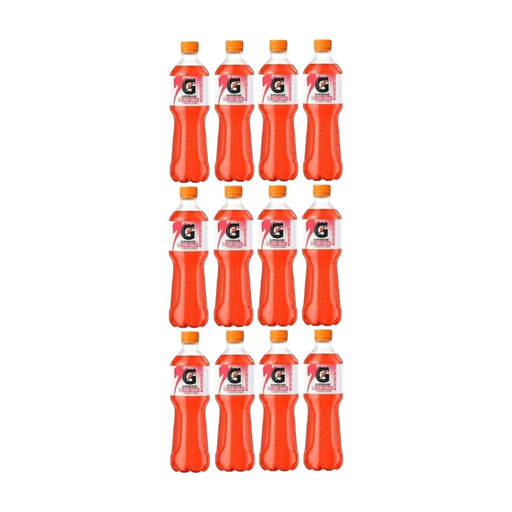
Why it suits this profile: This ready-to-drink sports drink is for people who want something to enjoy during or after exercise without having to prepare it, and who are looking for a product with a stated sodium content.
The nutritional information lists 0 g of sugar and 1 kcal per 100 ml. It also states a sodium content of 45 mg per 100 ml.
We’ve put together a complete, regularly updated list of products that meet these strict selection criteria and fully comply with the safety regulations in force in the EU.
Dissolve the powder in water just before drinking. Following the recommended amount of water helps avoid an overly sweet drink and makes it easier to get the proportions right. Store the powder in a dry, sealed container, away from heat and direct sunlight. Always follow the best-before date and the instructions on the relevant packaging.
When working out the ongoing cost, don’t just consider the pack price and the number of sachets. Calculate the cost per litre of prepared drink. A product that makes more drink may work out cheaper per litre, while a smaller sachet may be more convenient to take on the go.
No. ‘Sugar-free’ and ‘calorie-free’ mean different things. Check the energy information for the prepared drink. Depending on the recipe, it may contain bulking agents or other carbohydrates.
It depends on the product, water quality and how it’s stored. For everyday use, it’s best to prepare the drink fresh and avoid leaving it at room temperature for a long time. For ready-made drinks, follow the instructions to ‘refrigerate after opening’ and ‘consume within the stated period’.
There’s no one-size-fits-all answer. The caffeine content, serving size and duration of your workout all matter. Caffeine-free powder is intended to add flavour to water; a sugar-free sports drink may contain electrolytes. For Energy varieties, check the caffeine content and any relevant warnings.