
Same-day & Next-day Delivery

Quality Guaranteed

Unlock Your Welcome Offers: FREE Delivery | Up to 80% OFF | Free 30-day JoyPlus trial
Download the APP
Sugar-free forest fruit drink powder can be a practical alternative to ready-to-drink soft drinks. A small sachet fits in your bag, adds no extra weight from a bottle and can be mixed straight into water. However, products can vary considerably in dosage, ingredients, sweeteners and intended use.
If you focus only on terms such as “fruity”, “low calorie” or “with vitamins”, you could miss important details. The following criteria can help you choose the right powdered drink to mix with water for everyday life, school, work, sport or when you’re out and about.
A sugar-free soft drink may contain sucralose, acesulfame K or other sweeteners. There’s no contradiction, but the ingredients should suit your personal preferences. Checking the ingredients list will also show whether the product contains maltodextrin, acidity regulators, flavourings, colourings or foods with colouring properties.
The INSTICK forest fruit product described here uses sucralose and acesulfame K, among other ingredients. The product information also warns that excessive consumption of sweeteners may have a laxative effect. Be sure to follow the guidance on the packaging.
Drink powder may be designed for 0.5 to 1 litre of water. If you mix a sachet with considerably less water, the flavour will be stronger, but the concentration of the prepared drink will also change. So, if you’re buying a pack of 12 sachets, check how many litres you can actually make according to the manufacturer’s instructions.
Flexible portioning is useful for everyday use. On longer working days or day trips, one sachet can flavour up to 1 litre of water. For a smaller bottle, 0.5 litres is often enough.
The term “forest fruit” describes the flavour. It doesn’t automatically mean the product contains a high proportion of fruit powder. Natural flavourings, colouring plant extracts and fruit powder all serve different purposes.
If you want to avoid specific fruits or allergens, read the full ingredients list and allergen information. Vegan status should also be clear from the product information or the manufacturer’s labelling.
A good instant drink should dissolve in still or sparkling water when prepared according to the instructions. For INSTICK forest fruit drink, the contents of one sachet are added to 0.5 to 1 litre of water and stirred. The powder must not be consumed dry and should be fully dissolved.
Individually wrapped drink sachets are hygienic and easy to portion when you’re out and about. A reusable water bottle with a wide opening can make stirring easier.
Don’t just compare the values per serving; where possible, check the figures per 100 millilitres of prepared drink. According to the product data, the forest fruit drink contains 7 kJ of energy per 100 millilitres, and 0 g of sugar, fat, protein and salt. Make sure you take the preparation instructions into account.
“Low calorie” is only useful if you know what quantity the claim refers to. Using a different dosage can change the nutritional values of the finished drink.
According to the manufacturer, the forest fruit powder contains L-ascorbic acid, or vitamin C, and is labelled vegan. Always check vitamin claims against the nutritional information for the specific product. This type of labelling is not a medical claim and is no substitute for a balanced diet.
According to the information available, the product is intended for children aged 4 and over, teenagers and adults. It is not intended for infants or children under 3. If you want to avoid caffeine, check the type of product too: a classic forest fruit powder may be caffeine-free, while iced tea or energy versions may contain caffeine.
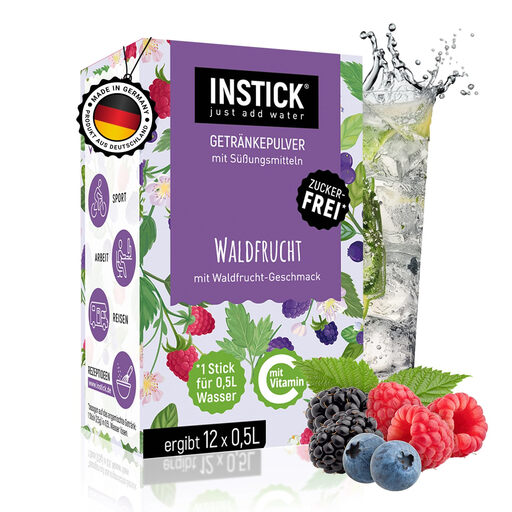
Why it suits this type of shopper: The pack contains 12 individually portioned sachets, each making 0.5 to 1 litre of drink. It’s a good option if you’re looking for an easy, sugar-free forest fruit drink for everyday use.
The information gives both the serving quantity and instructions for mixing with still or sparkling water. This makes it easier to work out how much the pack will make before you buy.
Sugar-free, vegan and caffeine-free, with 7 kJ per 100 ml of prepared drink according to the product data. Contains vitamin C according to the manufacturer.
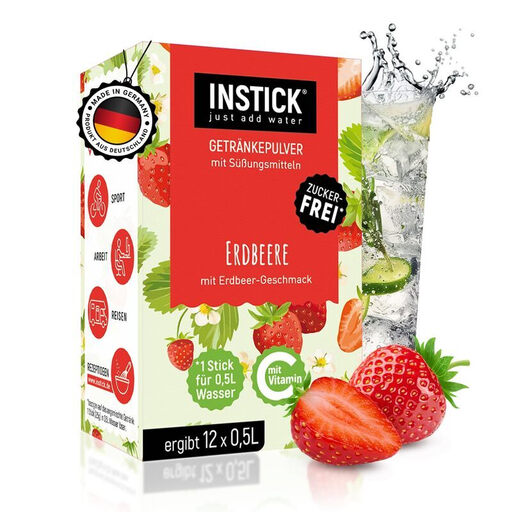
Why it suits this type of shopper: The product information lists a vegan, sugar-free and caffeine-free recipe, with clear instructions for making 0.5 to 1 litre of drink.
The information distinguishes between ingredients, nutritional values and how to use the product. It also includes guidance on keeping it dry and ensuring the powder is fully dissolved.
Each sachet contains 2.5 g of powder, and you can adjust the flavour by changing the amount of water. The product description also lists vitamin C.
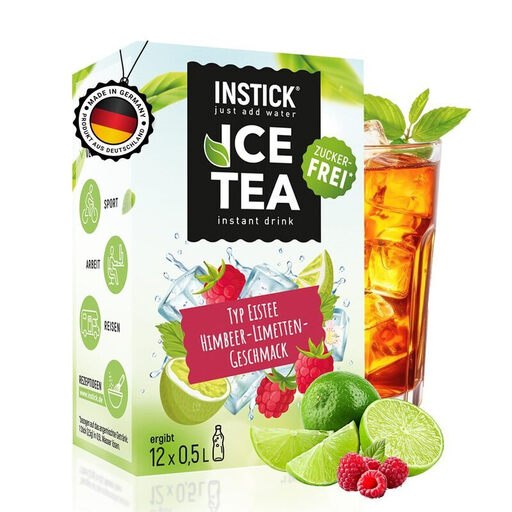
Why it suits this type of shopper: For frequent users who want a tea note alongside the fruity flavour, this variety comes in individual sachets, each for 500 ml of water.
The preparation quantity is clearly stated as 500 ml. The product information also specifically mentions the black tea extract, which may be a source of caffeine.
Sugar-free and vegan, with vitamin C according to the product data. The prepared drink contains 2 kcal per 100 ml; the tea extract may contribute caffeine.
Usually, the contents of one sachet are dissolved in 0.5 to 1 litre of still or sparkling water. Check the product packaging for the exact quantity. Using less water gives a stronger flavour, while more water makes a milder drink.
Unopened sachets should be stored in a dry place, away from heat and direct moisture. Check the packaging for the specific best-before date. Once opened, a sachet should be used promptly.
No. “Sugar-free” and “calorie-free” are different claims. Ingredients such as maltodextrin and other components can contribute energy. What matters is the nutritional information for the prepared drink, ideally per 100 millilitres.